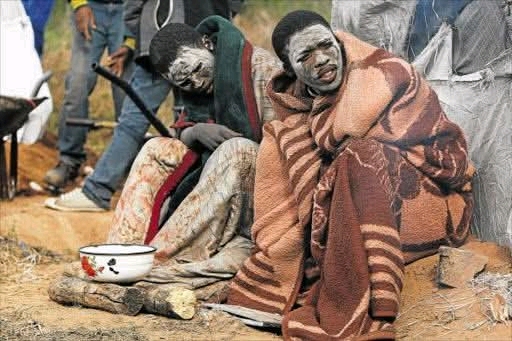
A total of 48 boys have lost their lives during the 2025 summer initiation season, sparking renewed concern over safety, compliance and oversight at initiation schools across South Africa. The Eastern Cape and the Free State have emerged as the hardest-hit provinces, recording the highest number of fatalities during this traditional period.
According to Cooperative Governance and Traditional Affairs (Cogta) Minister Velenkosini Hlabisa, the Eastern Cape recorded 23 deaths, while the Free State reported 15. The remaining fatalities were recorded across other provinces. The deaths occurred amid ongoing challenges related to illegal initiation schools, late medical screenings, poor monitoring and a lack of accountability in certain areas.
To address the crisis, Hlabisa convened a high-level meeting with national and provincial stakeholders to assess the situation and strengthen intervention measures. The meeting brought together ministers, deputy ministers, premiers, MECs, the South African Local Government Association (Salga) president, senior government officials, traditional leaders, as well as representatives from the National Initiation Oversight Committee and Provincial Initiation Coordinating Committees.
The meeting followed an earlier engagement held on 23 December 2025 with District Development Model champions and key partners, aimed at tackling the persistent loss of lives during initiation seasons. Hlabisa said the discussions focused on reviewing monitoring plans in hotspot areas, particularly in the Eastern Cape and Free State, which will remain under close supervision until January 2026.
In the Eastern Cape, authorities identified late pre-initiation medical screenings as a major concern, especially in districts such as Amathole, Buffalo City, Chris Hani and OR Tambo. Nyandeni Local Municipality was flagged as a key problem area requiring urgent intervention. As a result, intensified monitoring efforts have been implemented, with provincial departments and municipalities providing additional resources to support safer practices.
Hlabisa emphasised that government will take decisive action against illegal initiation schools. Rescue operations will be carried out where unlawful practices are detected, and affected initiates will be placed at designated rescue centres. The Provincial Initiation Forum has committed to shutting down illegal schools to prevent further harm.
In the Free State, provincial monitoring will continue until 11 January 2026, with particular focus on initiation schools still operating and graduation ceremonies, which have been linked to several incidents. The province also raised concerns about cross-border initiation school principals operating along the Lesotho border, who allegedly evade accountability. Additionally, incidents of stock theft linked to graduation activities have been reported, with investigations underway and some arrests already made.
Hlabisa said both provinces have presented comprehensive monitoring and intervention plans. These include intensified inspections, stronger coordination between traditional leadership, health services, law enforcement, municipalities and community structures, as well as sustained public awareness campaigns promoting safe, legal and culturally respectful initiation practices.
The minister stressed that the success of initiation seasons depends on collective responsibility, starting with families and elders, who play a critical role in protecting young boys. Traditional leaders and government structures were recognised as essential partners in ensuring effective protection systems.
Hlabisa called for increased vigilance in all hotspot areas to prevent further loss of life. He reaffirmed government’s commitment to daily monitoring, coordinated action and firm enforcement measures until the summer initiation season officially ends, while also noting that preparations for the upcoming winter initiation season are already underway.
About the Author