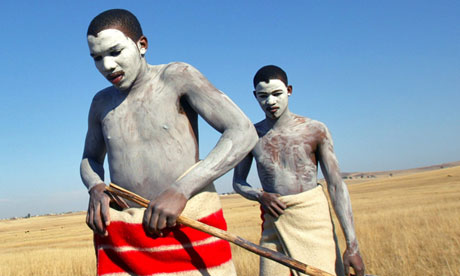
Five boys have died in Eastern Cape initiation schools since the start of the summer season, raising renewed alarm over safety, illegal practices, and inadequate oversight in a deeply significant cultural rite of passage. The deaths were recorded in the Chris Hani District (two), OR Tambo District (two), and Buffalo City (one), marking a tragic start to a season that runs from late November 2025 until the end of January 2026.
Every year, hundreds of young initiates enter this sacred journey with the hope of returning home transformed, disciplined, and ready to embrace the responsibilities of manhood. However, despite ongoing calls for compliance with the Customary Initiation Act, the Eastern Cape has again found itself confronted by avoidable loss of life.
Cooperative Governance and Traditional Affairs (Cogta) Minister Velenkosini Hlabisa has expressed deep concern, calling the five deaths a painful reminder of the urgent work still required to safeguard this cultural practice. He warned that the early fatalities could signal a dangerous escalation if decisive action is not taken immediately.
Hlabisa stressed that illegal initiation schools—often operating without proper medical oversight, traditional surgeons, or required registration—pose the greatest threat. “Illegal initiation schools must be shut down immediately. They are criminal, unsafe, and deadly. The government will not tolerate the reckless endangerment of children,” he said.
To date, the Eastern Cape has made 21 arrests linked to illegal initiation activity, an effort Hlabisa commended. He urged other provinces to match this level of commitment as more boys continue to be enrolled.
The minister also appealed to parents, guardians, and community leaders to take collective responsibility for the well-being of initiates. He emphasised that initiation is not merely a cultural ceremony but a community obligation that requires constant monitoring, guidance, and support—especially in households where no male figure is available to watch over initiates.
Hlabisa reiterated that South Africa cannot afford a repeat of past initiation seasons where multiple deaths occurred due to negligence, botched circumcisions, dehydration, and physical abuse. “One life lost is one too many. Mabaye bephila, babuya bephila,” he said, insisting that every initiate deserves a safe return home.
To strengthen prevention measures, Hlabisa has called on the National Initiation Oversight Committee and Provincial Initiation Oversight Committees to intensify their coordination. He said these structures must deploy multidisciplinary teams—comprising municipalities, health officials, social workers, educators, police, community elders, and NGOs—to identify risks early and intervene without hesitation.
Part of the strengthened oversight will include unannounced inspections of initiation schools, especially in high-risk areas, to enforce compliance and shut down any schools found endangering children.
Hlabisa urged all South Africans to remain vigilant. “We cannot claim to honour culture while allowing preventable tragedies to occur. The lives of our children are priceless. We must act decisively to change the course of this season before it becomes a crisis.”
The minister also committed to visiting affected provinces and municipalities where necessary to support local interventions and reinforce government oversight.
As initiation season continues, the Eastern Cape—and the country at large—faces a renewed call to preserve culture while protecting life, ensuring every initiate returns home honoured, safe, and alive.
About the Author