
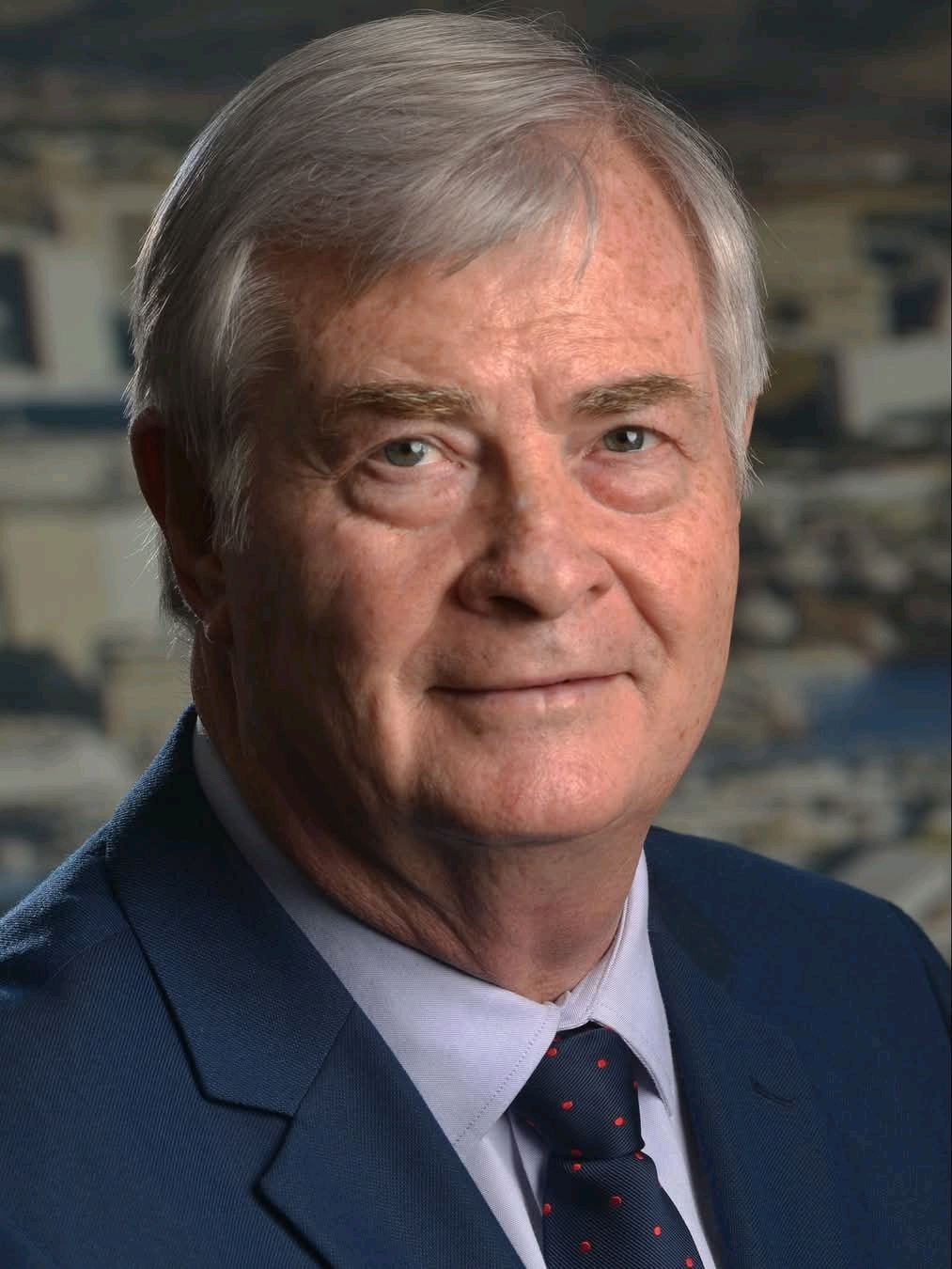
South Africa’s Correctional Services Minister, Pieter Groenewald, has raised alarm over the country’s increasingly strained prison system, calling for the repatriation of all foreign nationals currently incarcerated in the country. According to Groenewald, approximately 27,000 foreign inmates are serving sentences in South African correctional facilities, placing significant pressure on a system already operating far beyond its intended capacity.
Addressing Parliament in the National Assembly, Groenewald stressed that overcrowding has become a critical challenge, with facilities struggling to meet the needs of a growing inmate population. He noted that the current situation threatens the effectiveness of rehabilitation programmes, compromises safety, and places immense financial and operational burdens on the state.
Groenewald argued that repatriating foreign nationals to serve their sentences in their home countries could be a key step in easing this pressure. However, he acknowledged that existing legislation does not allow for swift repatriation. Legal amendments would be necessary to enable South Africa to transfer foreign inmates more efficiently, but such legislative changes are expected to take time due to the required parliamentary processes and intergovernmental agreements.
The Minister emphasised that the Department of Correctional Services needs both immediate and long-term solutions. While legislative reform is pursued, Groenewald said that South Africa must accelerate the construction of new correctional facilities to cope with the current overflow. He warned that without decisive action, the country’s correctional system risks becoming unsustainable, further eroding its ability to ensure safety, security, and humane treatment within its prisons.

Groenewald’s proposal comes amid broader national debates around migration, border control, and the strain placed on public services by undocumented and foreign nationals. Critics argue that focusing on foreign prisoners oversimplifies the structural issues facing the correctional system, including resource shortages, ageing infrastructure, and administrative inefficiencies. Supporters, however, believe that reducing the number of foreign inmates could significantly relieve pressure and allow the department to redirect resources toward rehabilitation and security improvements.
The question of international cooperation also looms large. Any repatriation process would require South Africa to establish or strengthen agreements with other nations to ensure that transferred inmates continue to serve their sentences under equivalent conditions. Such negotiations can be lengthy and politically complex, making immediate action unlikely despite the urgency highlighted by Groenewald.
Nonetheless, the Minister insisted that failing to address overcrowding will have far-reaching consequences. Overfilled prisons increase the risk of violence, limit access to rehabilitation programmes, and hinder effective reintegration of offenders into society. Groenewald argued that easing congestion is essential to restoring order and improving outcomes for inmates and staff.
As public debate continues, the government faces mounting pressure to find practical, lawful, and sustainable solutions. Whether through legislative reform, increased international cooperation, or expanded infrastructure, resolving overcrowding remains a pressing priority within South Africa’s correctional landscape.
About the Author