
A resurfaced throwback video of media personality Dineo Ranaka has once again ignited heated debate across South African social media, with many users revisiting her outspoken views on marriage. The viral clip, originally recorded during a past interview, shows Ranaka describing marriage as “the most nonsensical thing” she has ever experienced — a statement that has polarised Mzansi and revived long-running conversations about gender roles, relationships, and accountability within marriage.

The footage began trending again on 28 December 2025 after being reshared on X (formerly Twitter). In the clip, the former Kaya 959 presenter questions why a contract meant to unite two people is, in her view, judged largely on the performance of one partner — the woman. Ranaka argues that when a marriage succeeds, the wife is praised for holding the family together, but when it fails, she is blamed for not doing enough to keep her husband satisfied or stable.
According to Ranaka, this imbalance places unrealistic emotional and social labour on women, while men often escape scrutiny for failures such as infidelity, neglect, or financial irresponsibility. She suggests that marriage, as traditionally practised, is structured in a way that benefits men while leaving women overburdened and unfairly judged.
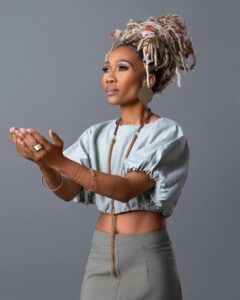
The renewed attention comes shortly after Ranaka shared glimpses of what she described as a “soft landing” relationship with a new partner, prompting users to contrast her current happiness with her past criticisms of marriage. This contrast only intensified public interest, with many questioning whether her views have evolved or remain unchanged.
Ranaka’s opinions are informed by personal experience. She was previously married to Klaas Phasha, but the union ended less than a year after it began. In earlier interviews, she alleged that her former husband was unfaithful and abusive, adding that his alleged disrespect toward her parents ultimately pushed her to file for divorce. These revelations have often been cited by critics who argue that her views on marriage are shaped by unresolved pain.
As the clip circulated, social media users responded with sharply divided opinions. Some applauded Ranaka for articulating what they believe many women feel but are afraid to say, praising her honesty and courage. Others were far less sympathetic, accusing her of projecting personal trauma onto a broader institution and discouraging healthy relationships.
Several commenters dismissed her views as bitter, while others questioned her credibility as a relationship commentator, pointing to her failed marriage and complex personal history. A number of users also referenced her upbringing, noting that she comes from a household where her parents have enjoyed a long-lasting marriage, further fuelling debate about whether marriage itself is flawed or whether individual experiences shape perception.
Despite the criticism, Ranaka remains one of South Africa’s most talked-about and polarising public figures. Her ability to provoke conversation — even years after an interview was recorded — highlights her continued influence in the entertainment and cultural space. Whether one agrees with her or not, the resurfaced video has once again forced Mzansi to confront uncomfortable questions about marriage, gender expectations, and societal double standards in modern relationships.
About the Author