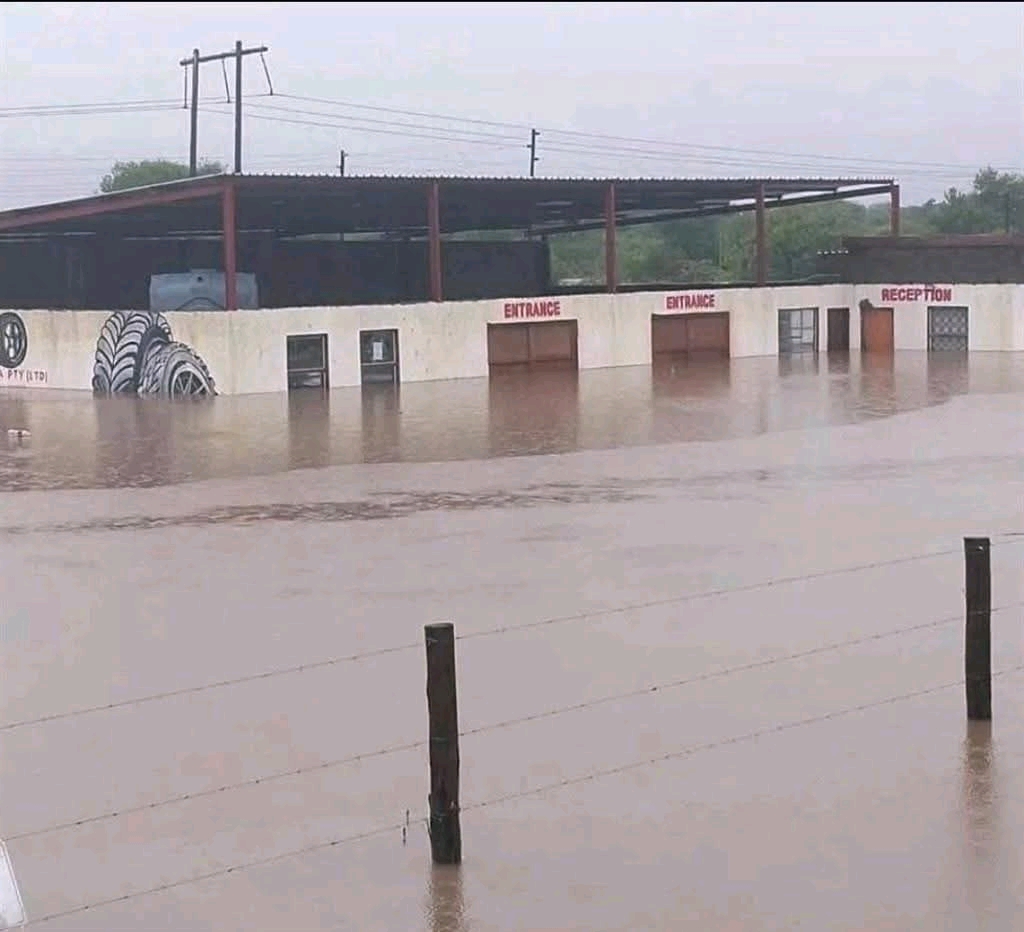
Heavy and persistent rainfall has caused widespread destruction across Limpopo, with the Vhembe and Mopani districts emerging as the worst-affected areas. Torrential downpours over the past few days have led to severe flooding, leaving homes, businesses, schools and critical infrastructure damaged, while thousands of residents face uncertainty and displacement.
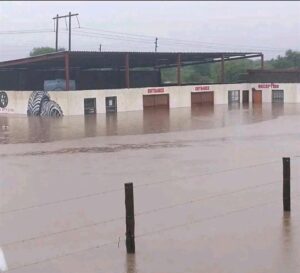
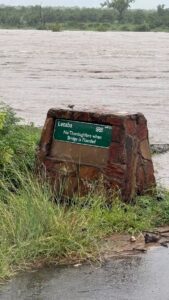
Overflowing rivers and dams have been at the centre of the devastation. In Vhembe, the Mutale River burst its banks, while in Mopani, the Letaba River overflowed, flooding surrounding communities. Viral videos circulating on social media paint a frightening picture of raging waters sweeping through villages, washing away property and cutting off access roads. In many areas, residents were forced to flee their homes in fear as floodwaters rose rapidly, leaving them with little time to save their belongings.
The floods have disrupted almost every aspect of daily life in the affected districts. Schools that were expected to reopen on Wednesday, 13 January, have remained closed as safety concerns mount. Limpopo is currently under a level nine weather warning issued by the South African Weather Service, indicating the seriousness of the situation. Education authorities have urged caution, prioritising the safety of learners and educators.
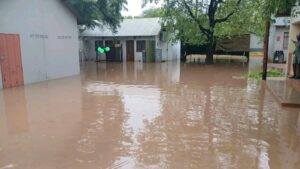
Department of Education spokesperson Mike Maringa confirmed that schools in the affected areas should not reopen this week. “We wish to inform parents, guardians and teachers in the affected districts not to reopen schools this week. This is to ensure the safety of learners and educators,” he said. Maringa added that disaster management teams are closely monitoring the evolving situation on the ground.
Beyond education, the floods have also disrupted food supply chains and scholar transport. Many learners who travel long distances to school are unable to do so safely due to damaged roads and flooded routes. Communities that rely on regular deliveries of food and essential goods are also feeling the strain as access becomes increasingly difficult.
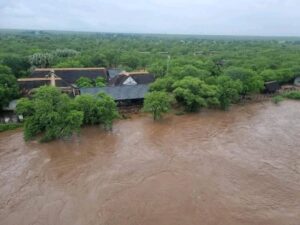
Rescue operations have been underway as emergency services respond to calls for help. In a dramatic incident at Gwakwani, three family members who were trapped between the Mutale River and a nearby stream were rescued on Tuesday, 12 January, after being stranded since the previous day. Their rescue highlights both the danger posed by the floods and the tireless efforts of emergency teams working under challenging conditions.
Cooperative Governance, Human Settlements and Traditional Affairs MEC Basikop Makamu has called for an emergency meeting to address the crisis. He identified several of the worst-hit municipalities, including Ba-Phalaborwa, Collins Chabane, Greater Giyani, Greater Letaba, Greater Tzaneen, Maruleng, Makhado, Musina and Thulamela.
“Many people have lost their belongings, others have had their homes damaged and have nowhere to stay,” Makamu said. He stressed that human dignity must be prioritised, alongside efforts to protect the livelihoods of affected families.
As Limpopo battles the aftermath of the heavy rains, authorities continue to urge residents to remain vigilant, avoid flooded areas and follow official warnings. Relief efforts and assessments are ongoing as the province works to recover from yet another natural disaster.
About the Author