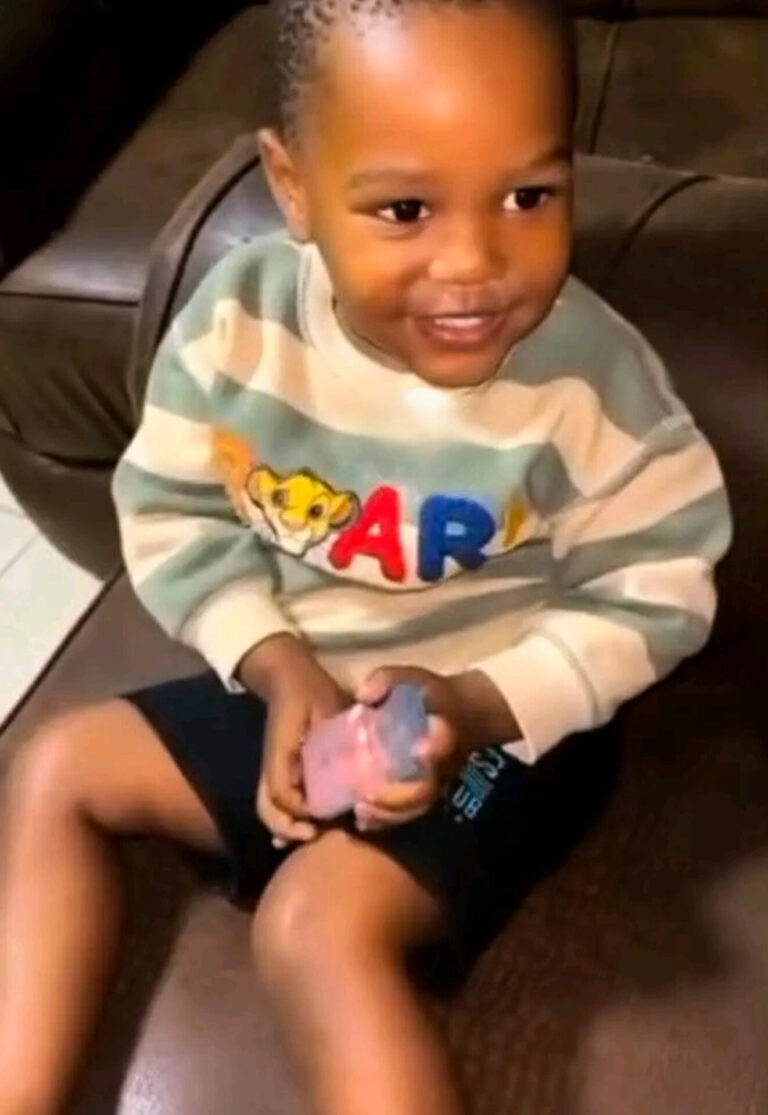

The matric results season is meant to mark a milestone of achievement and new beginnings, but for some families, it has become a time of unbearable loss and sorrow. South Africa is once again mourning after the tragic passing of **Thando Mthabela**, whose death has sparked painful conversations about academic pressure, mental health, and the devastating consequences of silence. 💔🕊

At the centre of this tragedy is a deeply emotional farewell message that has circulated widely, believed to reflect the thoughts of a young person overwhelmed by disappointment and hopelessness after failing matric. In the letter, the writer apologises to their parents, expressing love, regret, and a belief that they have become a burden due to their academic results. The words reveal a heart crushed by shame, fear of disappointing loved ones, and the mistaken belief that failure in school equates to failure in life.
“I am struggling to accept that I did not pass my matric,” the letter reads. “It feels like all my efforts were in vain.” These words echo the silent thoughts of many young people who feel defined by exam results, forgetting that life offers many paths beyond one moment or one certificate.

This tragedy forces us, as a society, to confront an uncomfortable truth: **we have not done enough to teach our children that it is okay to fail**. Failure is not a death sentence. It is not the end of the road, nor does it erase a person’s worth, intelligence, or future potential. Some of the most successful people in the world failed exams, repeated grades, or took unconventional paths before finding their purpose.
The pressure placed on matriculants is immense. Expectations from family, community comparisons, social media celebrations of top achievers, and the fear of being judged can become overwhelming. When support systems fail or when young people feel unable to speak openly about their pain, despair can quietly grow into something deadly.

Suicide is **never** the solution. It does not end pain; it transfers it to parents, siblings, friends, and entire communities who are left with unanswered questions and lifelong grief. Behind every young life lost is a family forever changed.
Thando Mthabela’s passing should not be in vain. Let it be a wake-up call. We must normalise conversations about mental health, especially during high-pressure periods like matric results. Parents must reassure their children that love is not conditional on grades. Schools, churches, and communities must actively provide counselling, guidance, and alternative pathways for learners who do not pass.
There are second chances, rewrites, bridging courses, skills training, and countless opportunities still waiting. Life is bigger than matric.
As we say **R.I.P Thando Mthabela 🕊**, let us commit to teaching ourselves and our children that setbacks are part of life — and that asking for help is a sign of strength, not weakness. If you are struggling, please speak to someone. Your life matters. Always. 💔
About the Author