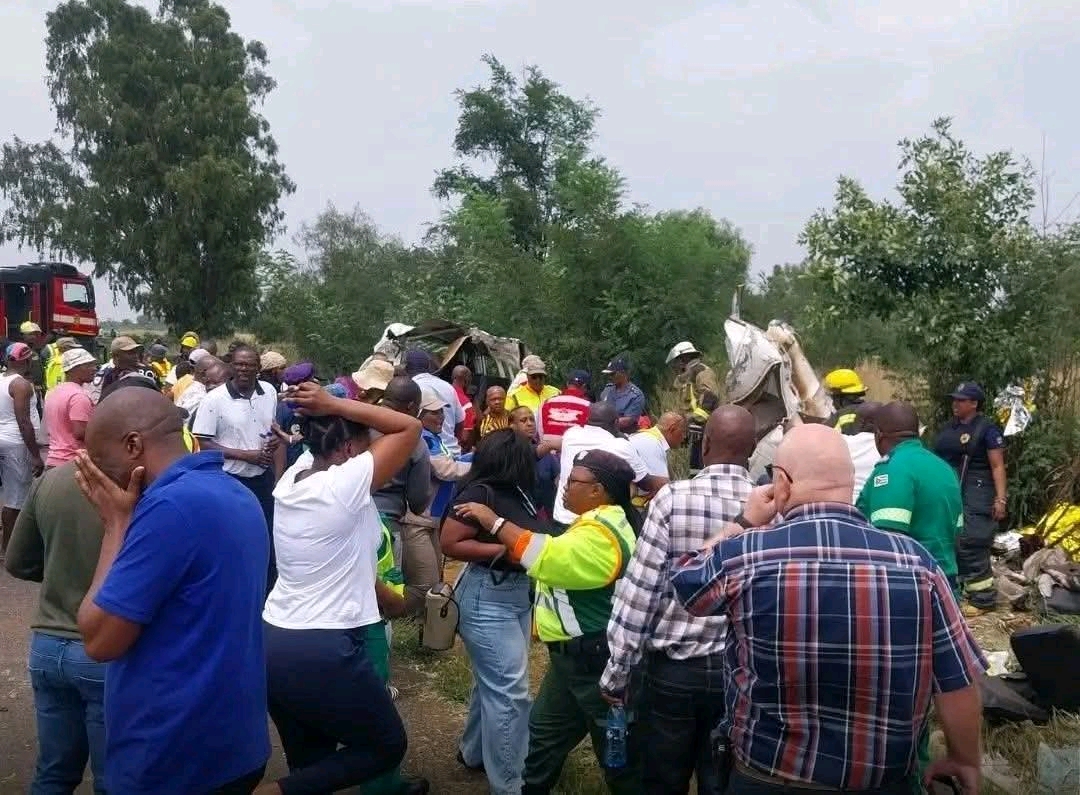
The devastating scholar transport accident that claimed the lives of 13 children in Vanderbijlpark, Gauteng, has sent shockwaves across South Africa, reigniting urgent debates around road safety, scholar transport regulation, and accountability. The collision, which occurred on the morning of 19 January 2026, involved a scholar transport minibus taxi and a truck, leaving several other learners seriously injured and families shattered.
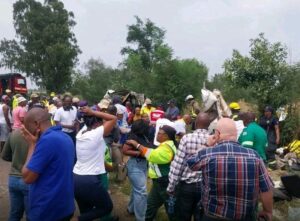
Emfuleni Local Municipality Mayor, Sipho Radebe, expressed deep concern following the tragedy, describing the incident as part of a broader national crisis involving the transportation of schoolchildren. Speaking to SABC News, Radebe said many taxi and scholar transport drivers operate under immense pressure to meet tight schedules, often prioritising speed over safety. He noted that this pressure contributes to reckless driving behaviours that frequently result in fatal accidents.
According to the mayor, preliminary observations suggested the driver of the scholar transport may have been running late at the time of the crash, which happened during the morning school rush. Radebe urged all scholar transport operators to exercise greater caution and to place the safety of children above deadlines and profits. His comments, however, drew mixed reactions online, with many South Africans criticising the African National Congress (ANC), of which he is a member, for what they described as years of inaction on taxi violence and road safety.
https://x.com/i/status/2013244862334747035
Amid the political debate, the human cost of the accident remains painfully clear. One grieving family member spoke emotionally about losing her cousin, a young girl who had been excited to start Grade 8. According to the relative, the child was bubbly, full of life, and eager to begin her high school journey. It was the first time she had used scholar transport, and she had fussed over her hair that morning, excited for the new chapter ahead. She said goodbye to her mother without knowing it would be their final farewell.
The tragedy has also prompted renewed calls from education authorities for stricter oversight of private scholar transport services. Gauteng MEC for Education, Matome Chiloane, said there is an urgent need for better regulation and accountability. He emphasised that schools and parents must work together to ensure that transport operators are properly registered and monitored, including keeping detailed registers of drivers responsible for transporting learners.
President Cyril Ramaphosa joined the nation in mourning, offering his condolences to the families affected by the crash. He described children as South Africa’s greatest asset and lamented the cruel irony that the accident occurred on the same day the South African Human Rights Commission released a report highlighting serious shortcomings in the scholar transport system.
Public reaction has been intense, with many citizens expressing anger and frustration on social media. Commenters questioned why decisive action only seems to follow tragedy, calling for stricter enforcement of speed limits, mandatory seatbelts, and harsher penalties for reckless driving.
An eyewitness later described the moments leading up to the collision, alleging that the taxi driver overtook several vehicles before crashing head-on into an oncoming truck. The account has further fuelled calls for accountability as investigations continue.
As families bury their loved ones, the nation is once again confronted with a painful question: how many more children must die before meaningful change is enforced on South Africa’s roads?
About the Author