
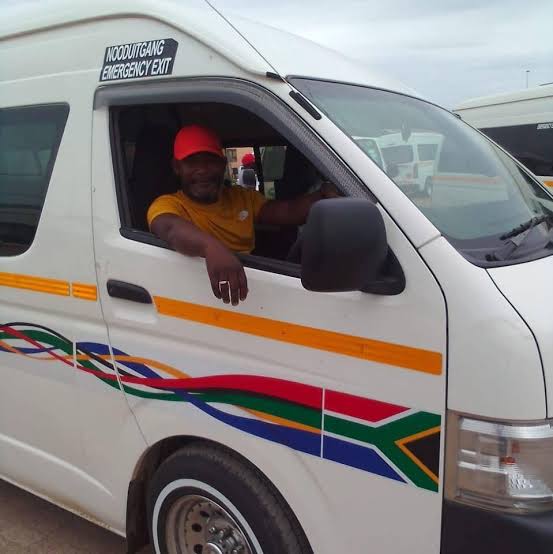
A taxi association in Ladysmith, northern KwaZulu-Natal, has come under intense public scrutiny after allegedly issuing a directive that warns private motorists and teachers against giving lifts to other people. The controversial move has sparked widespread outrage, with many South Africans accusing the association of intimidation and acting beyond the law.
The directive, which began circulating on social media on 21 January 2026, is reportedly from the Mhlumayo Taxi Association, said to operate under the South African National Taxi Council (Santaco). According to the letter, from 16 February 2026, private vehicles that are not recognised by the association would not be allowed to transport passengers. The letter reportedly states that while individuals are free to use their own cars, they would be stopped if they were found carrying passengers.

Particularly alarming to the public is the apparent targeting of teachers who carpool to work, a common and cost-effective practice in many parts of the country. In the letter, the association is quoted as saying that transporting passengers is the taxi industry’s job, suggesting that private motorists who give lifts are interfering with their livelihood.
The contents of the letter have ignited a fierce backlash online, with social media users questioning the legality of such a directive. Many have asked under what authority a taxi association could stop private vehicles on public roads or prevent people from sharing lifts. Carpooling, critics argue, is not only legal but also essential in a country where high fuel prices, unemployment and limited public transport options force many people to rely on shared travel.
Several commentators accused the association of attempting to “police” public roads, a responsibility that falls under law enforcement agencies, not private organisations. Others expressed concern that such actions could escalate into harassment or violence against ordinary motorists, particularly teachers who already face difficult working conditions.
The controversy comes amid growing criticism of the taxi industry in KwaZulu-Natal. Recently, King Misuzulu kaZwelithini publicly condemned reckless behaviour within the sector, calling on the provincial Department of Transport to tighten oversight and enforce regulations more strictly. His remarks followed a tragic crash in the Vaal area in which several schoolchildren lost their lives, an incident he attributed to dangerous driving practices.
KwaZulu-Natal MEC for Transport Siboniso Duma has also faced increasing pressure to closely monitor taxi operations in the province. While the taxi industry remains a critical part of South Africa’s transport system, many citizens argue that lawlessness and intimidation by some associations undermine public safety and trust.
As outrage continues to grow, members of the public are calling on government and law enforcement agencies to intervene and clarify the legality of the alleged directive. Many insist that allowing private organisations to dictate who may transport passengers on public roads sets a dangerous precedent.
For now, the situation in Ladysmith highlights the ongoing tension between the taxi industry and the public, as well as the urgent need for clear regulation, firm enforcement and dialogue to prevent further conflict and ensure the safety and rights of all road users.
About the Author