
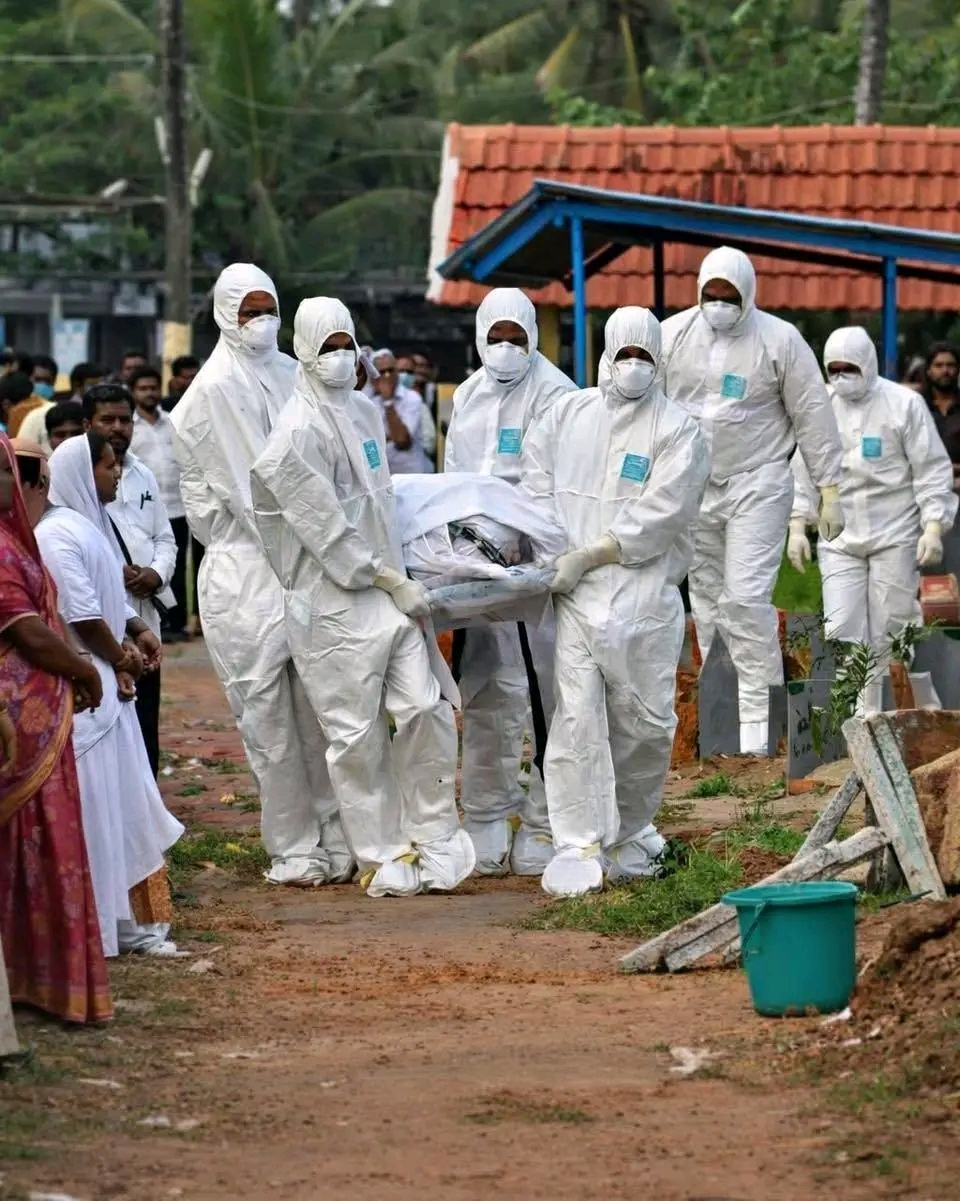
The Department of Health has moved to reassure South Africans that there is no immediate threat to the country following reports of a Nipah virus (NiV) outbreak in India, where two confirmed cases have sparked international attention. While the virus is known for causing severe illness and has recorded high fatality rates in past outbreaks, local health authorities have stressed that the risk to South Africa remains very low at this stage.
In a statement released on Friday, the department said it is working closely with the National Institute for Communicable Diseases (NICD) to monitor developments and assess any potential risk to the country. Officials emphasised that, based on current information, there is no evidence to suggest that the outbreak poses a direct or immediate danger to South Africans. As a result, there is no need for panic or drastic measures.
Health experts have also advised that screening at South Africa’s ports of entry is not required at this time. However, authorities are not taking the situation lightly. As part of ongoing preparedness and risk communication, the NICD will provide training and guidance to the Civil Aviation Authority, as well as airline and airport staff, to ensure that relevant personnel are informed about the virus and know what signs to look out for should the situation change.
The Nipah virus is classified as a zoonotic disease, meaning it can be transmitted from animals to humans. In previous outbreaks, transmission has been linked to direct contact with infected animals such as fruit bats, pigs, or horses, as well as through the consumption of contaminated food products. These may include fruit or raw date palm juice that has been exposed to infected animals. The virus can also spread through close person-to-person contact, particularly in healthcare or household settings.
Symptoms of Nipah virus infection often begin with fever, headache, coughing, and difficulty breathing, but in severe cases the illness can progress rapidly and become life-threatening. Because of its potential severity, health authorities worldwide keep a close watch on any new outbreaks, even when they occur far from South Africa.
Although Nipah virus is not currently listed as a notifiable medical condition in South Africa, the Department of Health has confirmed that it will be managed under the category of a respiratory disease of unknown origin, which is notifiable. This means suspected cases would need to be reported to health authorities. Laboratory testing is available at the NICD, and key health resources and guidelines have been updated to reflect the current global situation.
The World Health Organization has previously noted that there is no specific treatment or approved vaccine for Nipah virus, although several candidate vaccines and treatments are under development. In the meantime, doctors rely on early, intensive supportive care to improve patient outcomes.
In the absence of a vaccine, authorities continue to stress the importance of basic preventive measures. These include practising good hygiene, avoiding contact with sick animals, wearing protective clothing when handling animals, taking care during slaughtering processes, and avoiding the consumption of potentially contaminated fruit products. For now, health officials say vigilance—not panic—remains the best response.
About the Author