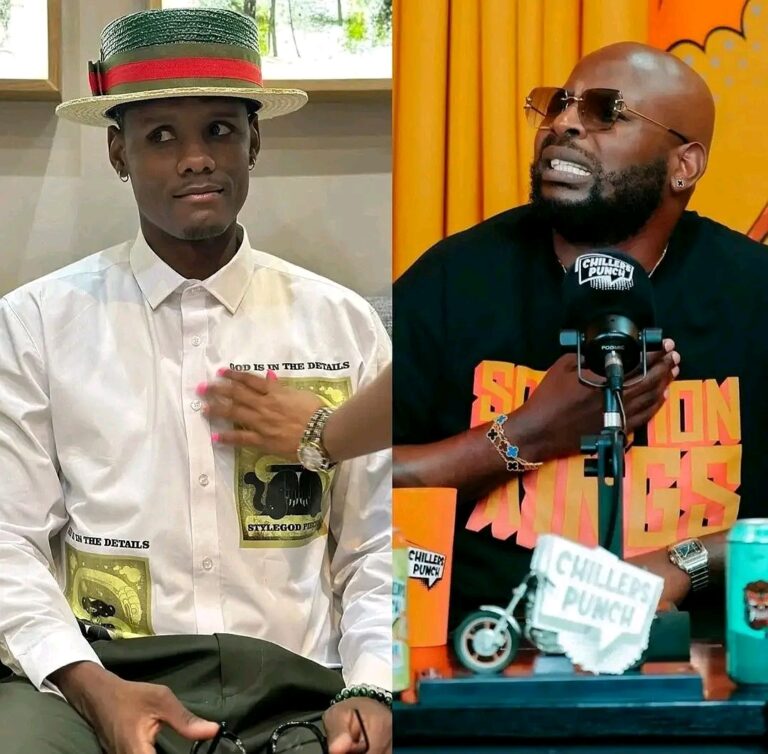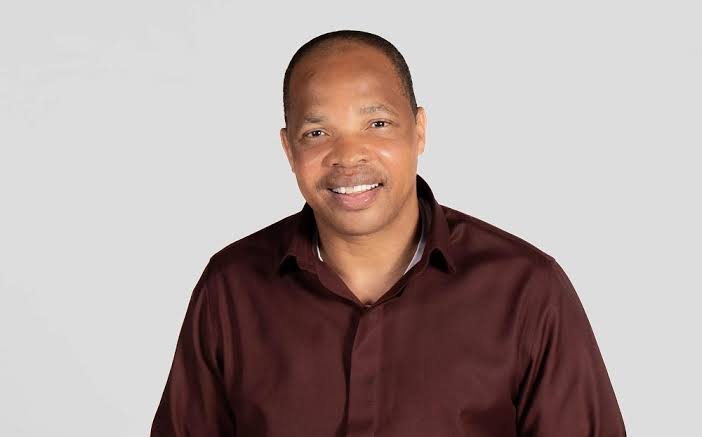

South Africa’s most talked-about polygamist is once again at the centre of a lively debate—this time over two simple words. In a recent episode of **Uthando Nes’thembu**, Musa Mseleku made it clear that he is uncomfortable with his fifth wife, **Samke Khwela**, affectionately calling him “my man.” While the phrase is usually a harmless term of endearment, Mseleku argues that it carries implications he doesn’t agree with, especially within the structure of his polygamous household.

Four episodes into the new season, the tension is already simmering. Viewers watched as MaKhwela repeatedly used the pet name during conversations, seemingly trying to assert her place in Mseleku’s complicated family dynamic. For her, the words appeared playful—perhaps even a way to claim emotional closeness in a marriage where attention is shared among multiple wives. For Mseleku, however, the phrase struck a nerve. He told the cameras that he does not believe a man can be “owned,” adding that being called “my man” suggests possession rather than partnership.
His reaction sparked instant debate online. Some fans felt he was being overly rigid about a harmless expression, while others argued that the comment reflects deeper issues about power, hierarchy, and respect in his relationships. Mseleku’s household has never been short on drama, but this particular moment highlighted how even small words can expose big cracks.
The conversation also reopened questions about why Mseleku chose to marry MaKhwela in the first place. In a previous episode, he bluntly stated that one of her primary roles was to give him children—remarks that many viewers found outdated and dismissive. That history made his reaction to “my man” feel even more loaded, as critics accused him of wanting authority without emotional reciprocity. Supporters, on the other hand, insisted he was simply being consistent with his personal beliefs and cultural outlook.
Social media, as expected, had a field day. Some users joked that being called “my man” should be the least of his worries in such a large family, while others sympathised with MaKhwela, saying she deserves to express affection without being shut down. A few even pointed out that pet names are common in relationships and shouldn’t be treated as territorial claims. The debate quickly moved beyond the couple, turning into a broader discussion about language, control, and what respect looks like in modern relationships.
The situation also revived rumours about strains elsewhere in the family, particularly involving **Thobile MaKhumalo**, who has previously been linked to reports of stepping away from the marriage after feeling publicly criticised. While those rumours remain unconfirmed, they add context to why every interaction in the household is now scrutinised so closely by fans.
Whether viewers side with Mseleku or MaKhwela, one thing is certain: the show continues to deliver the kind of real-life conflict that keeps audiences glued to their screens. A simple phrase has become a symbol of much bigger issues—about identity, authority, and affection in a very public marriage. And as the season unfolds, it’s clear that even the smallest words can spark the biggest conversations.
About the Author