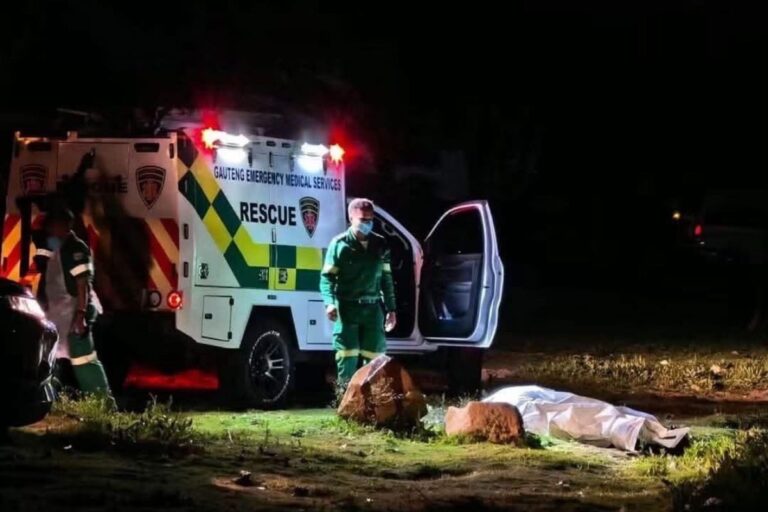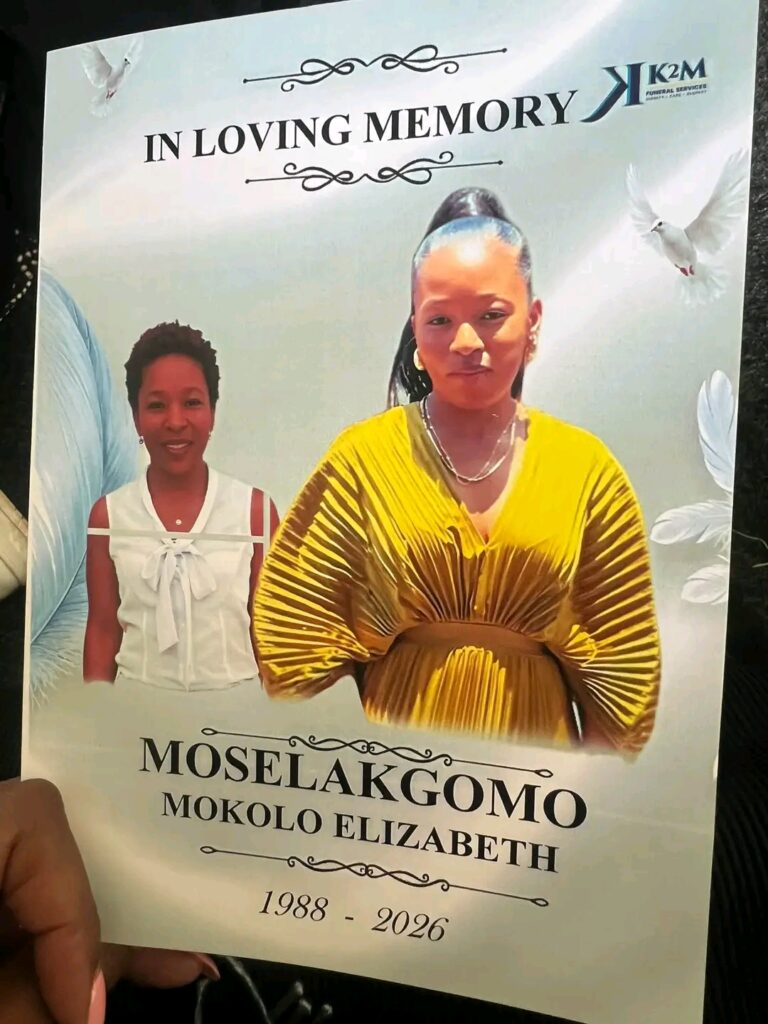

A deeply distressing incident has left the Mamelodi community and social media users shaken after a young woman reportedly went live on Facebook while in severe emotional distress. The five-minute broadcast, which quickly spread across platforms, showed the young mother visibly overwhelmed as hundreds of viewers watched in real time.
According to information circulating online, the woman is believed to be employed at Chicken Licken. During the live video, she appeared heartbroken and struggled to speak, crying as viewers flooded the comment section with pleas for her to stop and messages of support. Friends, acquaintances and even strangers desperately urged her to hold on, offering words of encouragement and asking for her location so they could try to help.

Those who witnessed the live say it was clear she was carrying immense emotional pain. Although no physical injuries were visible during the broadcast, the depth of her distress was unmistakable. Her tears, silence and body language reflected someone grappling with feelings too heavy to articulate.
Many viewers have since described the experience as traumatic. Some said they felt helpless watching events unfold on their screens, wishing they could physically reach through and comfort her. One viewer shared that their eyes filled with tears as they watched, overwhelmed by the heartbreak of the moment and the feeling that there was nothing they could do fast enough to intervene.
The incident has reignited conversations about mental health, particularly among young people and parents who may be silently battling depression, anxiety or overwhelming life pressures. Social media, while often a place for connection and expression, can also become a stage where private pain plays out publicly, sometimes with devastating consequences.
Community members in Mamelodi have expressed shock and sadness, calling for greater awareness and stronger support systems. Many are urging families, friends and employers to check in more regularly with loved ones and colleagues, especially those who may show signs of emotional strain.

Mental health advocates stress the importance of taking warning signs seriously. Sudden withdrawal, expressions of hopelessness, extreme mood changes and public cries for help — even indirect ones — should never be ignored. Reaching out, listening without judgment and guiding someone toward professional help can make a critical difference.
If you or someone you know is struggling with thoughts of self-harm or suicide, it is important to seek immediate assistance. In South Africa, the South African Depression and Anxiety Group (SADAG) offers a 24-hour suicide crisis helpline at 0800 567 567. You can also contact Lifeline South Africa at 0861 322 322 for confidential counselling and support.
This tragic event serves as a painful reminder that behind social media profiles are real people facing real battles. Compassion, timely intervention and open conversations about mental health remain essential in preventing similar tragedies in the future. No one should feel alone in their darkest moments, and help is always available.
About the Author