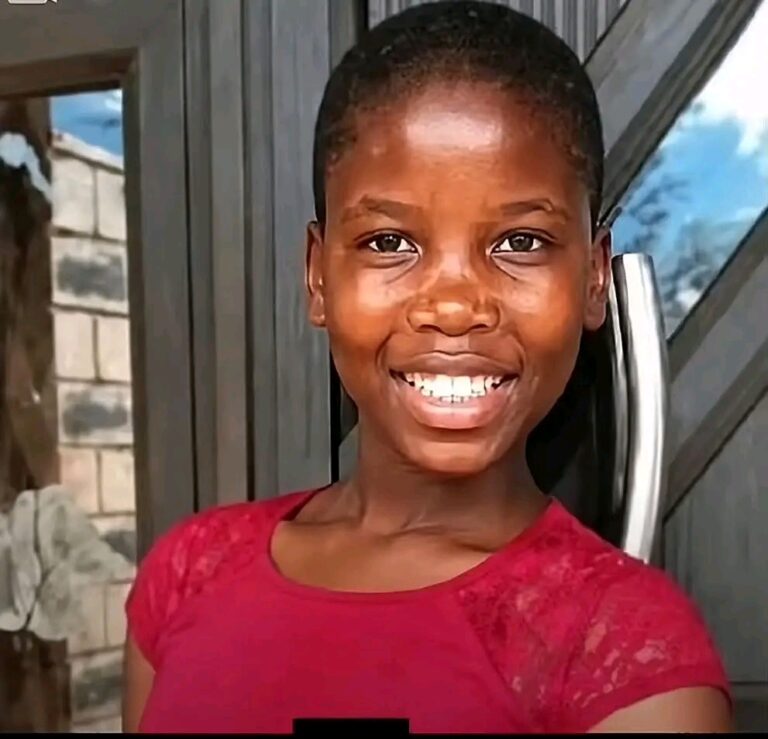

The Pretoria High Court has sentenced Ncumisa Selani to three life terms behind bars for the murders of her two romantic partners and her 17-year-old son. The shocking crimes, committed between 2016 and 2018, were uncovered years later after a chilling confession by her younger child.
The court heard that the chain of events began in 2016 when Selani discovered she was HIV-positive. Prosecutors told the court that she blamed her then-boyfriend, Malawian national Michael Changisa, for infecting her. Consumed by anger, she allegedly sought revenge. According to the State, Selani contacted another partner, Zimbabwean national Michael Phiri, and persuaded him to kill Changisa.

Changisa was murdered and secretly buried in the backyard of Selani’s Pretoria home. For a time, the crime went undetected.
In 2017, Phiri moved into the same house with Selani and her two sons. However, the relationship reportedly became abusive and violent. Tensions escalated, and the court heard that Selani and her teenage son ultimately turned against Phiri. Together, they killed him and buried his body in the same grave as Changisa, effectively stacking one victim on top of another in a bid to conceal their crimes.
The violence did not end there.
In 2018, Selani’s 17-year-old son allegedly began using drugs. Prosecutors said he started blackmailing his mother, threatening to expose the murders unless she gave him money. Fearing exposure, Selani made a devastating decision. The court found that she killed her own son and buried him in the same grave as the two men.
For nearly two years, the triple murder remained a dark secret.
The breakthrough came in 2020 when Selani’s younger son fell ill. During a consultation with a traditional healer, the boy reportedly revealed disturbing details about the killings, believing that restless spirits were responsible for his sickness. Alarmed by the revelations, the healer alerted authorities.
Police launched an investigation and later exhumed human remains from the yard of Selani’s property. Forensic tests confirmed the identities of the deceased, leading to Selani’s arrest.
During sentencing proceedings, the court described the murders as calculated and brutal. The judge emphasised the gravity of taking three lives, including that of her own child, and imposed three life sentences to reflect the seriousness of the offences.
The case has sent shockwaves across Gauteng, raising questions about domestic violence, trauma, and the devastating consequences of unresolved conflict. It also highlights the role community members can play in bringing hidden crimes to light.
With the sentencing now finalised, Selani will spend the rest of her life in prison. The tragic story stands as a grim reminder of how anger, fear, and secrecy can spiral into irreversible acts of violence — leaving families destroyed and communities stunned.
About the Author