
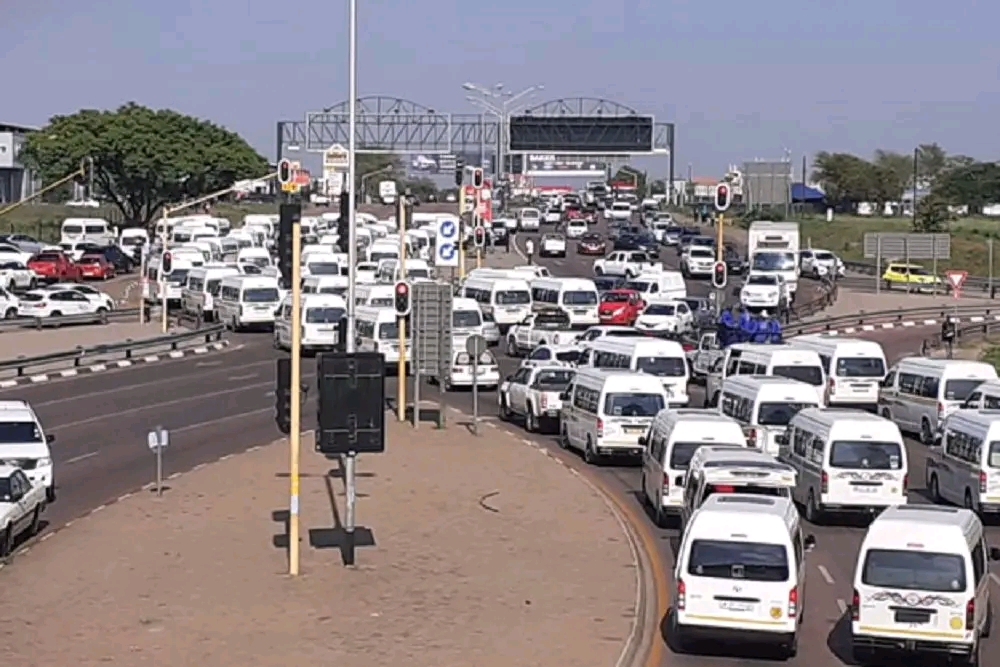
The National Taxi Alliance (NTA) has urged minibus taxi operators across South Africa to consider increasing fares following a sharp rise in fuel prices. The proposed adjustments include hikes of between R3 and R6 for local trips, while long-distance commuters could see increases ranging from R10 to R30.
This recommendation comes in the wake of significant fuel price increases announced by the Department of Mineral Resources and Energy. Petrol has gone up by approximately R3 per litre, while diesel prices have surged even more dramatically, rising by between R7.37 and R7.51 per litre. These increases are expected to have a widespread impact on the transport sector, particularly the taxi industry, which heavily relies on fuel to operate.
The NTA acknowledged the government’s recent efforts to provide short-term relief measures, which were announced on 31 March 2026. However, the organisation believes that these measures do not go far enough to shield operators from the financial strain caused by rising fuel costs. As a result, taxi associations are now being encouraged to review their fare structures in order to remain sustainable.
According to NTA spokesperson Theo Malele, both taxi operators and commuters are likely to feel the pressure of these increases. Operators are facing higher operational costs, including fuel, maintenance, and vehicle financing, which are becoming increasingly difficult to manage. At the same time, commuters—many of whom rely on taxis as their primary mode of transport—are expected to bear the burden of higher fares.
Malele warned that without adequate intervention, the situation could worsen, potentially leading to disruptions in services or reduced availability of taxis on certain routes. This could further inconvenience commuters who already face daily challenges related to affordability and accessibility of transport.
The taxi industry plays a vital role in South Africa’s public transport system, carrying millions of passengers daily, especially in areas where alternative transport options are limited. Any fare increases are therefore likely to have a ripple effect on household budgets, particularly for low- and middle-income earners.
Taxi operators have expressed concern that the ongoing fuel hikes could threaten their livelihoods if fare adjustments are not implemented. Many argue that they have little choice but to pass on the increased costs to passengers in order to keep their businesses running.
Meanwhile, commuters have voiced frustration and concern about the potential fare hikes, noting that they are already grappling with rising living costs, including food and electricity. For many, even a small increase in daily transport expenses can have a significant impact over time.
As discussions continue, the NTA is calling on government to explore more sustainable, long-term solutions to support both the taxi industry and commuters. These could include further fuel subsidies, regulatory reforms, or additional financial assistance to help stabilise the sector.
For now, commuters are being advised to prepare for possible fare increases in the coming days as taxi operators weigh their options in response to the rising cost of fuel.
About the Author