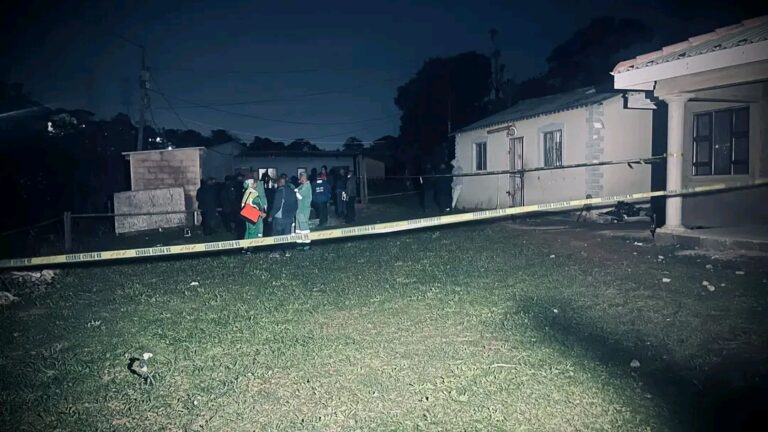
A wave of outrage and has swept across South Africa following a violent anti-immigrant protest in Durban that quickly spiralled out of control. What began as a demonstration reportedly aimed at addressing concerns over undocumented foreign nationals turned into scenes of हिंसा, looting, and भय, leaving communities shaken and demanding swift intervention from authorities.
The protest, organised by a group calling itself the March and March Movement, took place in Durban’s central business district earlier this week. Organisers had initially framed the action as a “clean-up” campaign, claiming they wanted to highlight frustrations around illegal immigration. However, the situation escalated rapidly as large crowds gathered, and tensions boiled over into chaos.
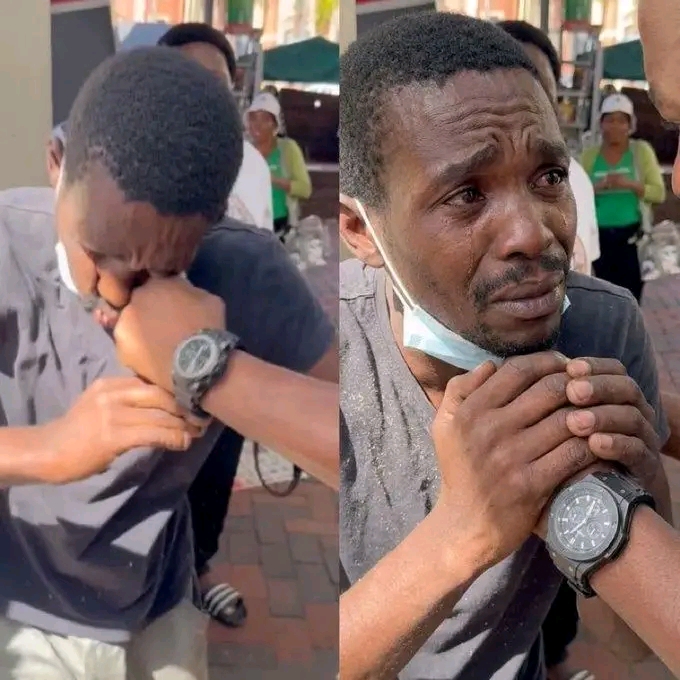
Eyewitness accounts and videos shared widely on social media revealed disturbing scenes. Individuals believed to be foreign nationals were chased through the streets, assaulted, and forced to flee for safety. Shops owned by foreign nationals were targeted and looted, with property destroyed and goods stolen in the პროცეს. These visuals triggered widespread condemnation from the public, many of whom called for immediate law enforcement intervention.
Residents and business owners in the area expressed fear and frustration, questioning the apparent lack of visible policing during the unrest. Many argued that authorities should have anticipated the volatility of such a protest and implemented stronger preventative measures. The absence of a rapid response, they say, allowed the situation to deteriorate further than it should have.
Political leaders also weighed in, criticising what they described as inadequate action by local authorities. A councillor from the Democratic Alliance in eThekwini voiced serious concern about the municipality’s response, warning that failure to act decisively could endanger lives and undermine public trust. She stressed that all residents—regardless of nationality—deserve protection under the law.
The Democratic Alliance further warned that incidents like these could have damaging economic последствия. Durban’s central business district plays a crucial role in the local economy, and disruptions caused by violence and looting risk eroding investor confidence and destroying livelihoods. Small businesses, many already struggling, are often the hardest hit.
While acknowledging that South Africans have the constitutional right to protest, leaders emphasised that such actions must remain peaceful and lawful. Criminal activity carried out under the guise of protest, they argued, cannot be tolerated. Organisers were also urged to take responsibility for ensuring their demonstrations do not descend into violence or infringe on the rights of others.
National figures echoed similar sentiments. Build One South Africa leader Mmusi Maimane strongly condemned the हिंसा, stating that grievances around immigration cannot justify criminal behaviour. He emphasised that matters involving undocumented individuals should be handled by institutions such as the Department of Home Affairs and law enforcement agencies—not by members of the public taking matters into their own hands.
The incident has once again reignited the sensitive issue of xenophobia in South Africa. Over the years, similar outbreaks of violence have occurred, often fuelled by unemployment, economic pressure, and perceptions that foreign nationals are competing with locals for limited resources. However, civil society groups continue to warn against blaming immigrants, arguing that such हिंसा only deepens divisions and distracts from addressing systemic challenges.
As the dust settles, there are growing calls for coordinated action from law enforcement to restore calm and ensure accountability. Many believe that without decisive steps, similar incidents could erupt elsewhere in the country.
Ultimately, the events in Durban serve as a stark reminder of how quickly tensions can escalate when frustrations go unmanaged. While protest remains a fundamental democratic right, it must never cross the line into and lawlessness. Authorities are now under pressure to act swiftly, restore order, and reinforce the rule of law before the situation worsens further.
About the Author