A Limpopo businessman says he has been forced to shut down his successful textile factory in KwaZulu-Natal after allegedly facing repeated threats from anti-immigration groups who mistakenly believed he was a foreign national.
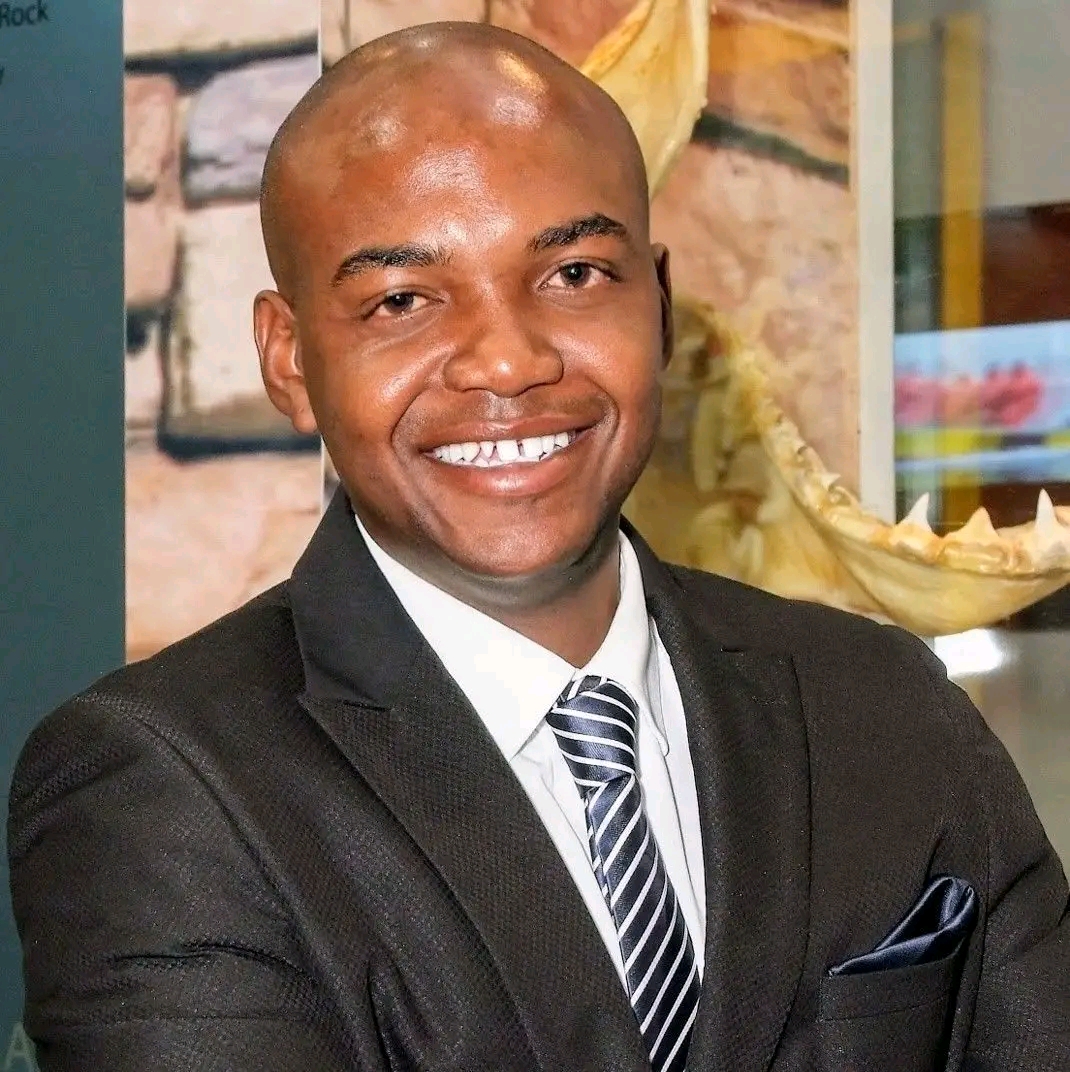
Steven Mabugana, a 40-year-old entrepreneur from Venda, announced the closure of his Hammarsdale-based business in an emotional Facebook video, saying he could no longer continue operating under constant intimidation. Despite being a South African citizen, Mabugana said he was repeatedly treated as though he did not belong in his own country.

The closure of the textile company has had a significant impact on the local community. According to Mabugana, the business provided permanent employment to more than 350 people and also offered free textile skills training to over 2,000 young South Africans. Many of those who benefited from the programme were given practical experience that helped improve their chances of finding work in the manufacturing sector.
Mabugana explained that he spent years building his company and investing in the local economy. However, he said growing hostility and repeated threats eventually made it impossible for him to continue operating in the province. He claims that some anti-immigration activists targeted him simply because they believed he was a foreign national, despite his South African identity.
His emotional account has sparked widespread discussion on social media, with many South Africans expressing sadness over the closure of a business that contributed to job creation and skills development. Several users questioned whether the country risks losing valuable investors and entrepreneurs if such incidents continue.
Many commenters praised Mabugana for his commitment to empowering young people through free training initiatives. Others argued that businesses creating employment opportunities should be protected rather than driven away through intimidation. Some also expressed concern that ordinary South Africans are increasingly being mistaken for foreign nationals based on their appearance, language or surnames.
The incident comes amid heightened tensions surrounding anti-illegal immigration campaigns across South Africa. Several organisations have been calling for stricter enforcement of immigration laws ahead of the planned nationwide demonstrations scheduled for 30 June 2026. The issue has become increasingly divisive, with supporters arguing that undocumented immigration should be addressed, while critics warn that innocent people may become victims of profiling and harassment.
Mabugana’s experience is not an isolated case. In recent weeks, reports have emerged of South African citizens allegedly being mistaken for foreign nationals, including a truck driver who was reportedly forced to resign after being falsely accused of being undocumented.
The closure of Mabugana’s factory has renewed calls for communities to distinguish between tackling illegal immigration and respecting the rights of South African citizens. Many believe that targeting legitimate business owners ultimately harms workers, families and local economies that depend on those businesses for employment.
As debate around immigration continues, Mabugana’s story serves as a reminder of the unintended consequences that can arise when assumptions replace facts. With hundreds of employees now facing an uncertain future and valuable training opportunities lost, many South Africans hope incidents like this can be prevented through greater awareness, lawful action and respect for every citizen’s constitutional rights.
About the Author