Tensions surrounding immigration in South Africa intensified this week as anti-immigrant groups carried out door-to-door operations in several communities, leading to the detention of suspected undocumented foreign nationals and raising concerns about public safety and community relations.
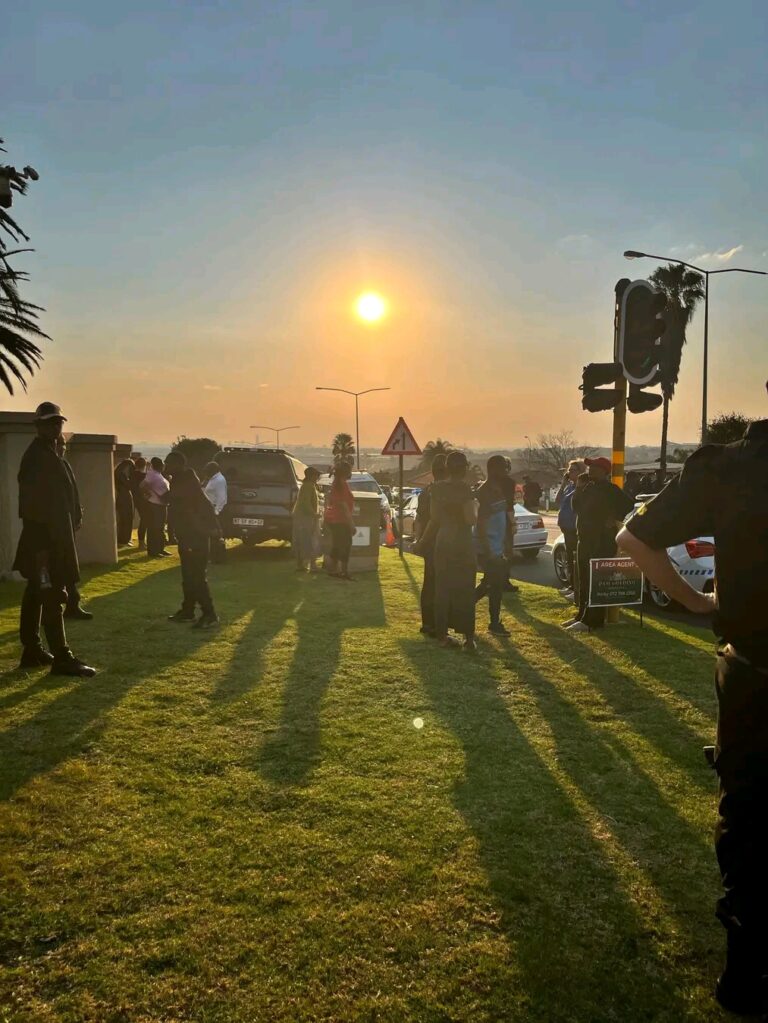
On Thursday, protesters moved through parts of Johannesburg, including the Alexandra township, searching homes where they believed undocumented immigrants were living. Witnesses reported that some demonstrators forced entry into houses before escorting occupants to police vehicles stationed nearby.
Among those taken away were individuals from neighboring countries, including Malawi and Zimbabwe. One Zimbabwean resident, Total Mhlanga, told reporters that he was legally residing in South Africa under a Zimbabwean Exemption Permit (ZEP), a special permit that allows qualifying Zimbabwean nationals to live and work in the country.

The operations formed part of a broader anti-immigration campaign that has gained momentum in recent months. Similar demonstrations were also reported in Soweto and Durban, where protesters marched through communities carrying flags and sticks while calling for stricter immigration controls.
Organizers of the protests have announced plans to continue demonstrations every Thursday. Flyers circulated before the marches described the events as peaceful gatherings followed by community-based searches aimed at identifying undocumented migrants.
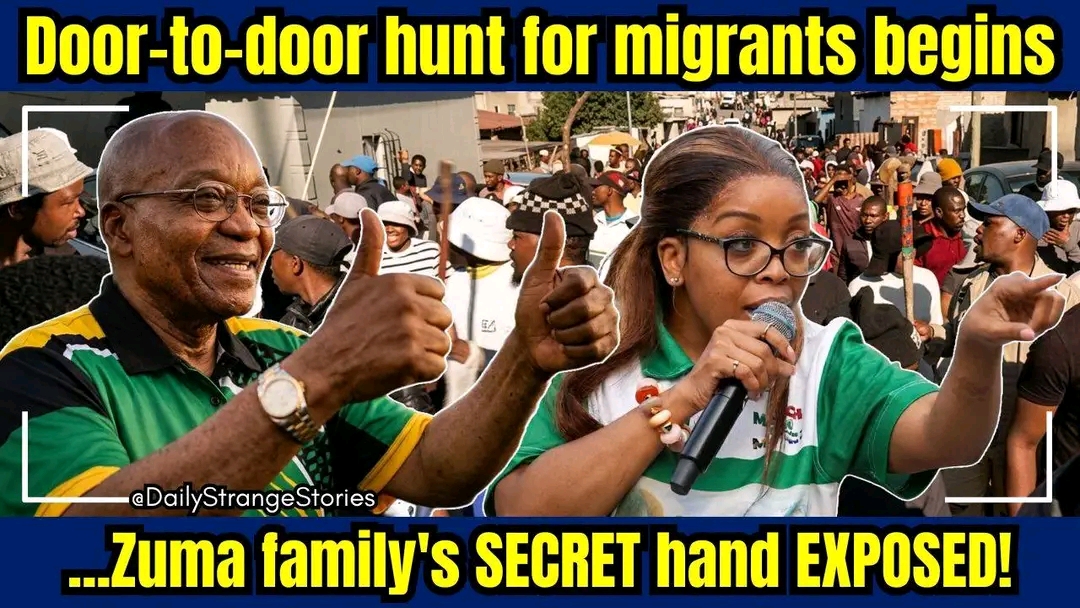
The movement has been led by former radio presenter Jacinta Ngobese-Zuma and the March and March organization. The group argues that illegal immigration has contributed to South Africa’s economic challenges and is calling for stronger border security, increased deportations, and priority access to public services such as healthcare and education for South African citizens.
Community leader Bongani Msomi, who participated in the Alexandra march, said demonstrators were moving from house to house in an effort to identify foreign nationals living in the area. Supporters of the campaign believe government authorities have not done enough to address concerns related to undocumented immigration.
However, the actions of protesters have sparked criticism from government officials and human rights advocates. President Cyril Ramaphosa has repeatedly cautioned against blaming immigrants for the country’s social and economic difficulties. He has stressed that immigration enforcement remains the responsibility of law enforcement agencies and that citizens should not take the law into their own hands.
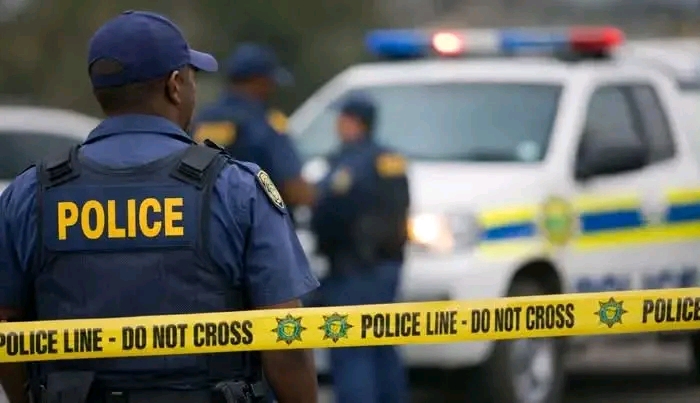
South African police have increased operations targeting undocumented migrants in response to growing public pressure and have maintained a visible presence during recent demonstrations. Authorities have not yet provided detailed comments regarding the conduct of protesters during Thursday’s events.
The ongoing unrest is also having a regional impact. Malawi’s government announced that more than 38,000 of its citizens have returned home from South Africa in recent weeks amid safety concerns linked to the protests. Zimbabwean authorities have also reported that over 60,000 nationals have returned from South Africa during the same period.
As the demonstrations continue, concerns remain over the potential for increased tensions between communities and the broader implications for South Africa’s relationships with neighboring countries. With protest organizers promising weekly actions until their demands are addressed, the immigration debate is likely to remain at the center of national discussion in the weeks ahead.
About the Author