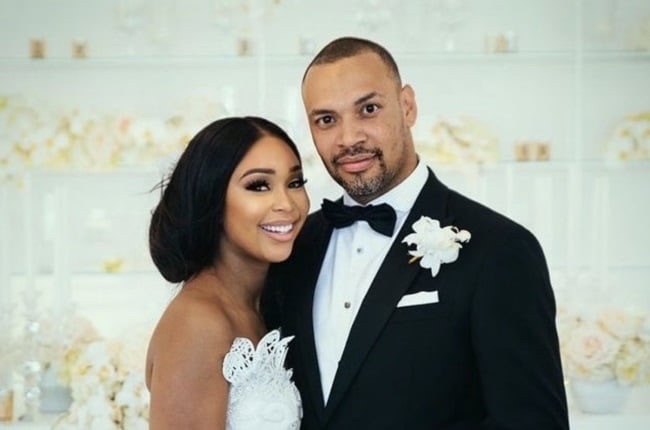

South African media personality Minnie Dlamini has taken legal action against popular podcast personalities MacGyver “MacG” Mukwevho and Sol Phenduka following comments allegedly made during an episode of *Podcast and Chill* in April 20
Dlamini has approached the Equality Court, where she is accusing the two media personalities of hate speech, gender-based harassment and unfair discrimination. The legal dispute has attracted considerable attention because of the high-profile individuals involved and the serious nature of the allegations.
According to the claims, Dlamini believes that comments made during the podcast were harmful and had consequences beyond the online controversy. She alleges that the situation contributed to the collapse of a commercial campaign she had with Nivea, reportedly valued at approximately R897,000.
The media personality is seeking R2.5 million in damages and other forms of relief. Of the amount, R1 million is being sought for Dlamini herself, while a further R1.5 million is intended for Women for Change, an organisation involved in advocating for women’s rights and addressing gender-based violence.
In addition to financial compensation, Dlamini is asking the court for several other remedies. These reportedly include a public apology, gender-sensitisation training and community service. The requested measures suggest that she wants the matter to address not only the alleged personal harm but also broader concerns surrounding gender-related comments in the media.

MacG, whose real name is MacGyver Mukwevho, has reportedly proposed measures aimed at resolving the dispute. These include mediation and participation in gender-sensitisation initiatives. His position indicates that there may be an effort to resolve some aspects of the matter without relying solely on a prolonged court battle.
Phenduka has also indicated that he is willing to apologise, although the legal proceedings remain ongoing. The willingness to apologise could potentially form part of discussions between the parties as the case continues.
The dispute has once again placed discussions around freedom of expression, responsible broadcasting and gender sensitivity in the spotlight. Podcasts and online entertainment platforms have become increasingly influential in South Africa, with presenters often attracting large audiences through outspoken and controversial conversations.
At the same time, public figures have increasingly raised concerns about the potential consequences of comments made on digital platforms, particularly when such remarks are perceived to be discriminatory or harmful.
The Equality Court proceedings are continuing in 2026, and the court will ultimately determine the outcome of the claims and the remedies, if any, that should be granted.
For now, the case remains a closely watched legal dispute involving some of South Africa’s most recognisable media personalities. Further developments could provide clarity on whether the matter is resolved through mediation, an apology or other agreed measures, or whether it proceeds to a full determination by the court.
About the Author