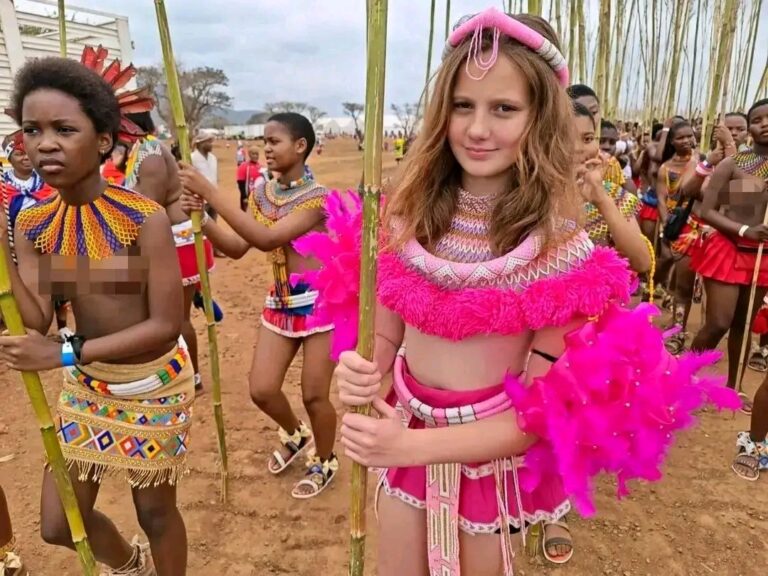
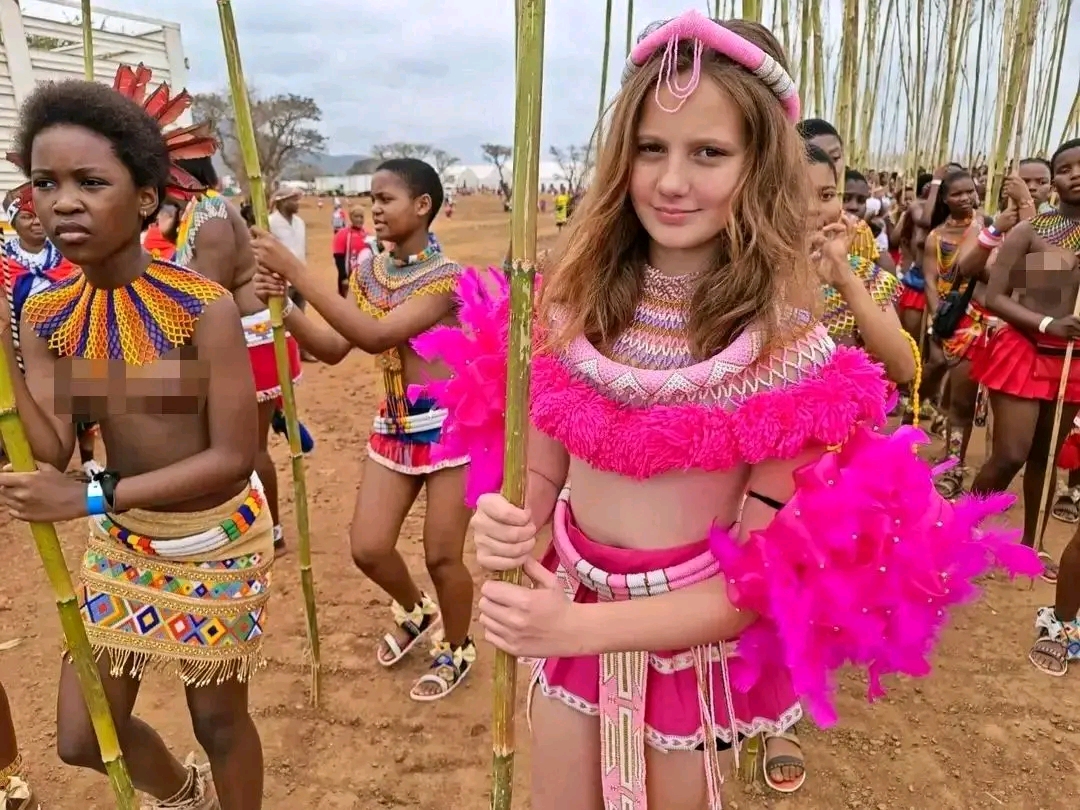
For generations, the annual Umkhosi woMhlanga, commonly known as the Zulu Reed Dance, has remained an important cultural gathering for young women across KwaZulu-Natal and other parts of Southern Africa. In 2026, the tradition continues to attract thousands of participants who see the ceremony not only as a celebration of Zulu heritage, but also as an opportunity to strengthen their sense of identity, community and purpose.
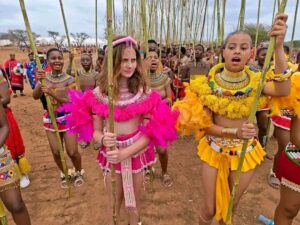
Among those taking part were Anastasia Fourie from Eshowe and 18-year-old Kelly Kleinbooi from Greytown. Dressed in colourful traditional beadwork, the two young women joined thousands of maidens at the annual event. Their participation reflected the continuing connection between younger generations and a cultural practice that has been passed down through generations.
For Anastasia and Kelly, the Reed Dance represents more than a once-a-year gathering. They said the tradition gives them a strong sense of meaning and sisterhood while reinforcing values they have chosen to embrace. Both expressed their intention to return to the event each year, highlighting the lasting personal significance the ceremony holds for them.
The Reed Dance is traditionally held at the Enyokeni Royal Palace in Nongoma, where young, unmarried women gather to present reeds to the Zulu King. The ceremony is deeply rooted in Zulu customs and provides an opportunity for participants to celebrate their heritage alongside thousands of other young women.
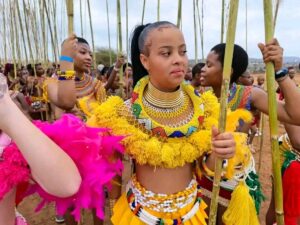
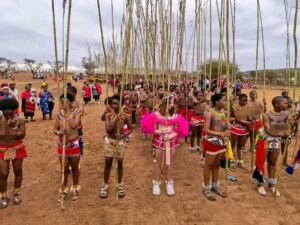
The event also creates a strong sense of togetherness. For many participants, being surrounded by peers who share similar cultural values provides an opportunity to step away from the pressures of everyday life. The gathering allows young women to connect with their heritage while building friendships and a sense of belonging.
The tradition has also continued to evolve with changing times. While participants maintain important elements of traditional dress and ceremony, some have incorporated additional clothing such as decorative vests or fabric for greater personal comfort. Such changes demonstrate how cultural practices can adapt while retaining their central identity.
For some participants, the Reed Dance is also connected to discussions around personal boundaries, responsibility and young women’s futures. The tradition surrounding virginity testing remains part of the broader cultural context of the ceremony, although practices and attitudes surrounding it are complex and have been subject to public discussion.
Supporters of the tradition argue that the gathering can encourage young women to make personal choices about relationships and their futures while providing them with a supportive community. Participants may view the values associated with the ceremony as helping them focus on education, personal development and their aspirations.
For young women such as Kelly and Anastasia, returning to the Reed Dance is ultimately about maintaining a connection with their culture and with one another. Their participation demonstrates how younger generations can engage with traditional customs while interpreting their meaning within contemporary life.
As South Africa continues to balance modern influences with its diverse cultural heritage, Umkhosi woMhlanga remains an important example of how tradition can continue to shape identity, community and belonging for generations to come.
About the Author