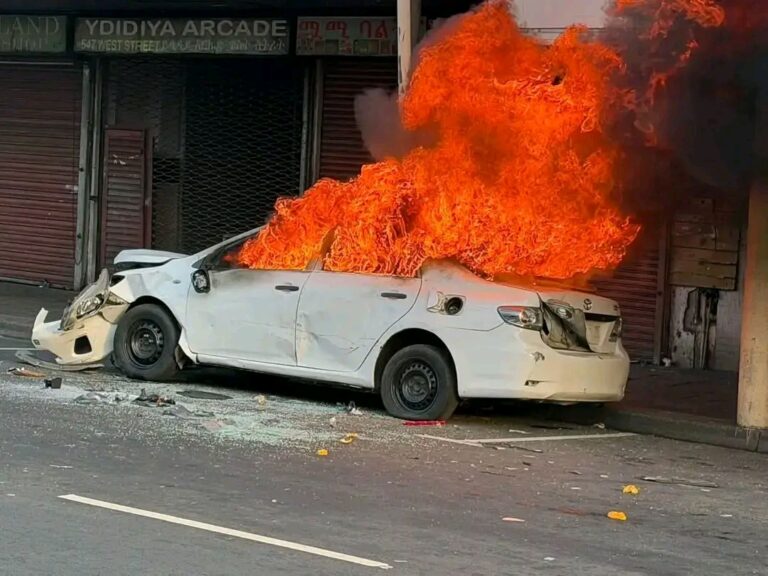
Durban Tensions Escalate as March and March Protests Turn Violent
Tensions have intensified in Durban’s Central Business District (CBD) following demonstrations by the anti-illegal immigration movement March and March. What began as citizen-led campaigns calling for action against crime and poor living conditions has reportedly escalated into violent confrontations, damage to property and disruptions to local businesses.
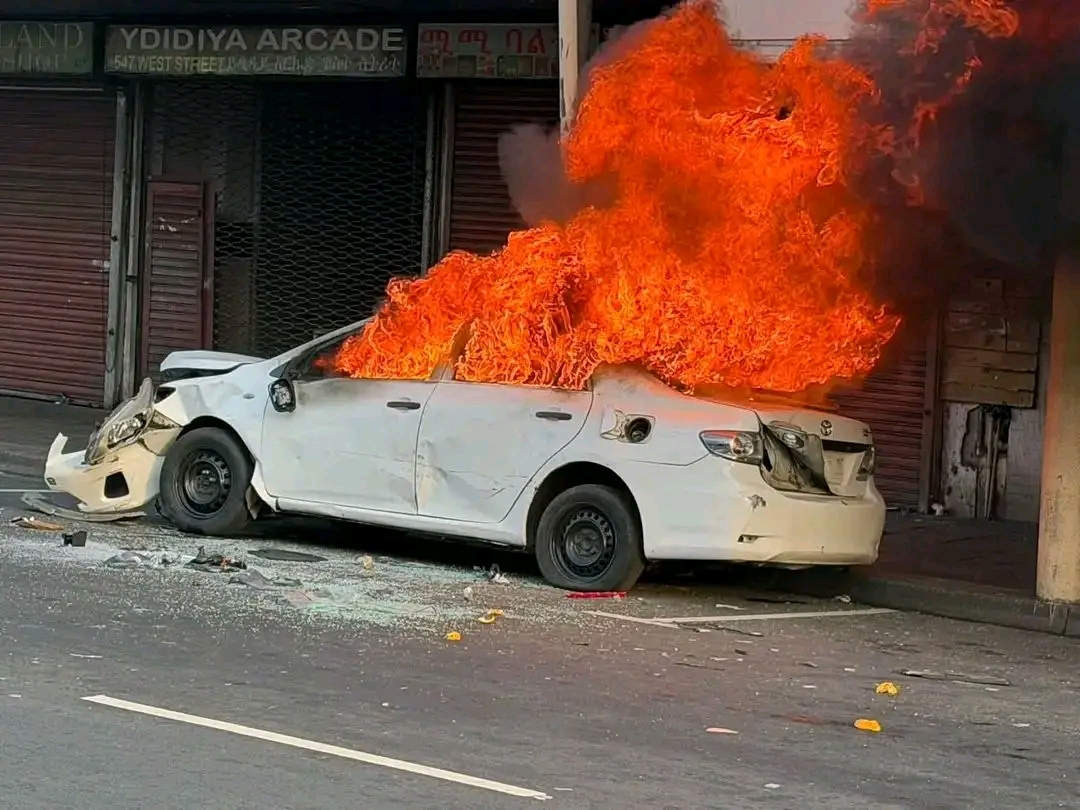
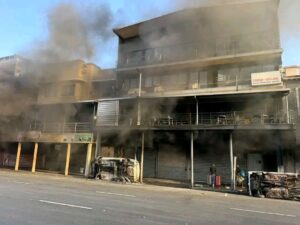
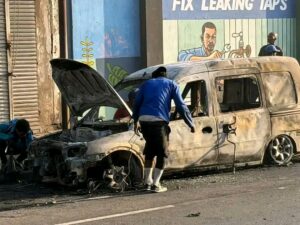
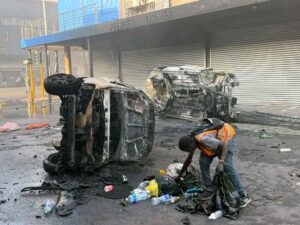
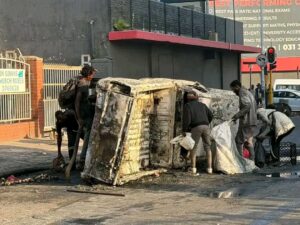
The latest incidents have raised concerns about public safety, xenophobia and the treatment of foreign nationals living in the city. Several businesses have reportedly been forced to close, while vehicles were set alight during clashes that required a significant police presence.
## Clashes Near Home Affairs Refugee Centre
One of the main areas affected is the Department of Home Affairs Refugee Reception Centre along Che Guevara Road, where displaced foreign nationals have been living on pavements outside the facility for months.
Many of those staying in the area are asylum seekers who fled conflict in their home countries, including the Democratic Republic of Congo.
Tensions increased when March and March supporters, mobilised by founder Jacinta Ngobese-Zuma, gathered near the encampment. Organisers described their campaign as an effort to address crime and improve conditions in the streets.
However, the situation reportedly deteriorated when protesters attempted to remove foreign nationals and dismantle tarpaulins protecting their belongings.
The confrontations involved stones and sticks, leaving several people injured, including some prominent figures associated with the movement.
The incidents have intensified concerns about the risk of further violence if tensions between protesters and displaced migrants remain unresolved.
## Questions About the Status of Foreign Nationals
Although March and March says its campaign targets undocumented immigration, questions have emerged about whether the actions are affecting people who are legally permitted to remain in South Africa.
According to the report, a Home Affairs verification process conducted earlier in 2026 found that nearly all of the 457 people staying at the Che Guevara Road site were documented and legally resident in the country.
Reports by investigative organisations have also described how some foreign nationals were allegedly forced out of rented homes and businesses in different parts of Durban.
Landlords were reportedly pressured to evict foreign tenants, while some employers allegedly faced threats to dismiss migrant workers.
These accounts have raised concerns about vigilantism and the consequences for people who may have legal documentation but are caught up in anti-immigration campaigns.
## Political Links and Economic Impact
March and March has issued demands for undocumented migrants to leave South Africa, a position that has contributed to anxiety among foreign nationals and increased security measures.
The movement has also been linked by observers to political factions, including members of the uMkhonto Wesizwe (MK) Party, who reportedly participated in demonstrations in Durban.
Meanwhile, the economic impact of the unrest is becoming increasingly concerning for local businesses. Shop owners have expressed frustration over demonstrations that disrupt trading, damage infrastructure and affect economic activity.
The South African Police Service and Metro Police have deployed officers, supported by armoured Nyala vehicles, to maintain order and separate opposing groups.
As tensions continue, Durban faces the challenge of addressing legitimate concerns about immigration and public safety while protecting residents, businesses and vulnerable communities from violence.
The situation highlights the importance of lawful immigration enforcement, peaceful protest and respect for the rights of everyone living in South Africa.
About the Author