
Hammanskraal, South Africa –
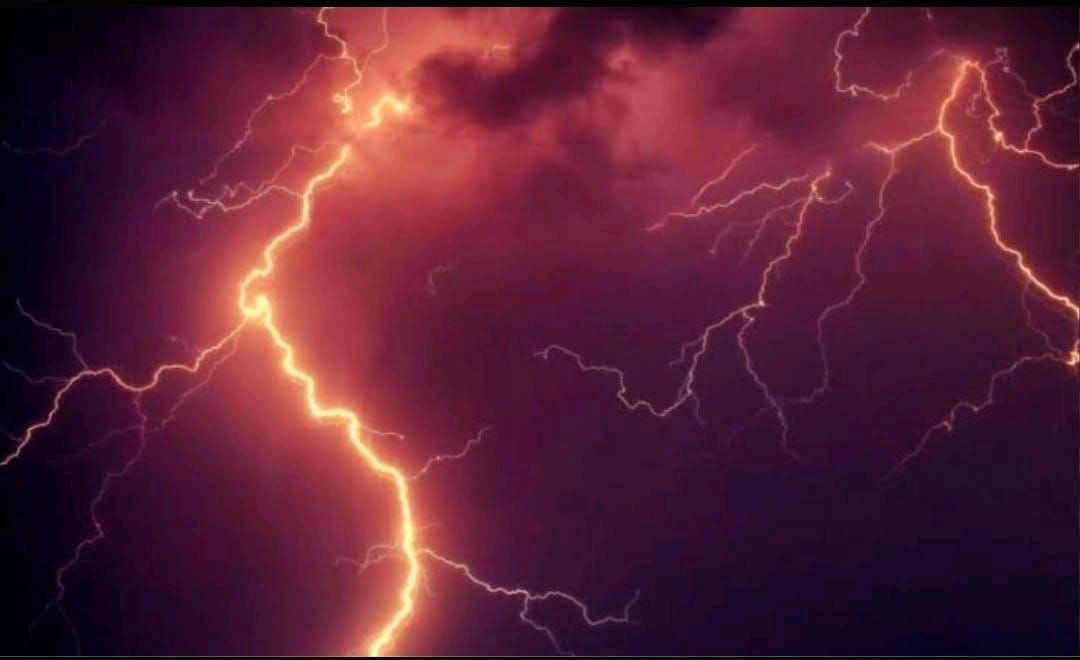
A powerful lightning strike reportedly injured around 40 people in the Mathibestad area of Hammanskraal, north of Pretoria, sending shockwaves through the local community and prompting a large-scale emergency response on Saturday, January 3, 2026.
The incident occurred in Majaneng during a sudden summer thunderstorm, when a bolt of lightning struck an area where people were reportedly gathered outdoors. Witnesses described a deafening crack followed by scenes of panic as several individuals collapsed or cried out in pain. Emergency services were immediately alerted, and the area was quickly cordoned off as paramedics rushed in to assist the injured.
Multiple ambulance services, including advanced life-support teams, responded to the scene. Paramedics treated victims for a range of injuries, including burns, shock, cardiac complications and loss of consciousness — all common effects associated with lightning strikes. Several of the more critically injured were transported to nearby hospitals in Tshwane, while others received on-site medical care as responders worked under difficult weather conditions.
At the time of reporting, authorities had not confirmed any fatalities. However, the sheer number of people affected makes the incident one of the most severe lightning-related events reported in Gauteng in recent years. Emergency teams remained on high alert well into the afternoon, conducting checks to ensure no victims were overlooked and monitoring patients for delayed complications, which can occur hours after a lightning strike.
The incident has left the Mathibestad community traumatised. Hammanskraal is known for its close-knit neighbourhoods, and many residents reported knowing at least one person who was affected. Families gathered anxiously at clinics and hospitals seeking updates on loved ones, while others stayed indoors as storms continued across the region.
South Africa is regarded as one of the world’s lightning hotspots, particularly during the summer months. Gauteng and Limpopo record some of the highest numbers of lightning-related injuries and deaths annually, especially in rural or semi-rural areas where people often work or gather in open spaces. Experts warn that lightning can strike indirectly, with electrical currents spreading through the ground and impacting multiple people at once — a factor believed to have contributed to the high number of victims in this incident.
Safety advocates have renewed calls for increased public education on lightning awareness, including the importance of seeking shelter indoors or inside vehicles during thunderstorms. Community leaders are also urging government and local authorities to invest in early warning systems, safe shelters, and lightning protection infrastructure at schools, clinics and public gathering areas.
As the injured begin their road to recovery, support efforts are emerging to assist affected families with medical and emotional needs. While the full impact of the incident is still being assessed, residents hope the tragedy will serve as a wake-up call about the dangers of summer storms and the urgent need for preventative measures.
Authorities continue to investigate the circumstances surrounding the incident, while emergency services have urged the public to remain cautious as severe weather conditions persist across Gauteng.
About the Author