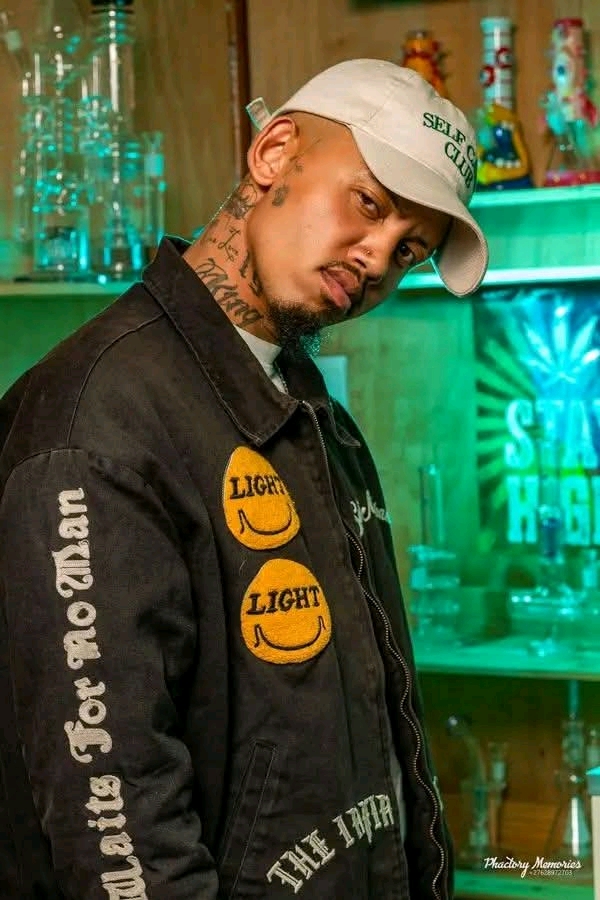
The tragic death of rapper and TikTok sensation Junior King has sparked a heated national debate after leaked footage from his open-casket viewing began circulating on social media. What was intended to be a solemn farewell for family, friends, and loyal supporters has instead drawn widespread criticism, with many South Africans questioning the ethics of filming and sharing such an intimate and emotionally charged moment.

Junior King, whose real name endeared him to fans across Mzansi, died on 11 December 2025 following a devastating head-on collision on the N1 near Verkeerdevlei in the Free State. The 29-year-old artist was travelling with his two children at the time of the accident. While the children sustained injuries, they later recovered, leaving fans grateful yet heartbroken by the loss of the young star whose career was still on the rise.
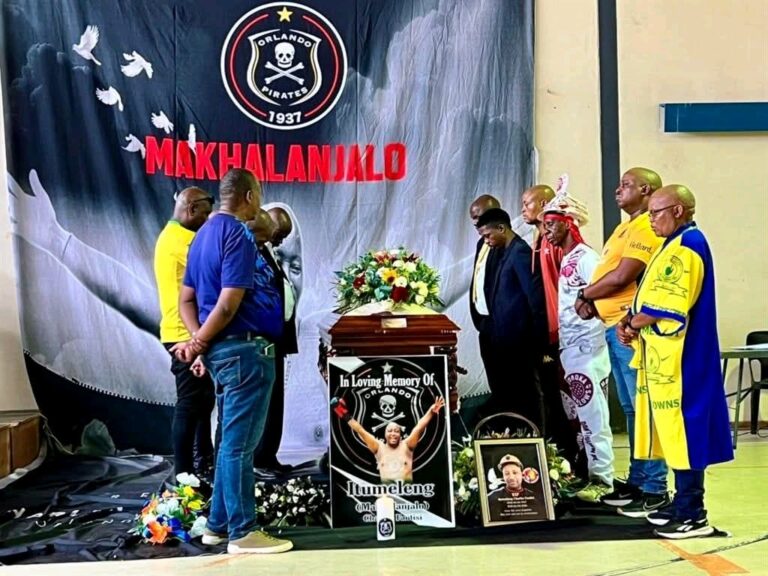
On 21 December, footage from Junior King’s funeral service at Father’s House Church in North End, Gqeberha, was shared online by MDNnewss. The video captured scenes from the open-casket viewing, showing mourners dressed in dark clothing gathered around the rapper’s body to pay their final respects. Almost immediately, the clip ignited intense reactions online, with many describing the atmosphere as unsettling and deeply uncomfortable to witness through a screen.
https://x.com/i/status/2002757242526011832
Social media platforms were flooded with comments condemning the decision to allow a public body viewing and, more critically, the act of recording and distributing the footage. Many users argued that such moments should remain private, reserved solely for close family and friends. Others questioned when public open-casket viewings became acceptable in modern funeral practices, especially for high-profile figures.
Traditionally, a body viewing is intended to help loved ones find psychological closure. In cases of sudden or violent death, seeing the deceased can help mourners accept the reality of the loss and begin the grieving process. However, critics argue that while this practice may serve a purpose for immediate family, broadcasting it to the public crosses a moral line and strips the deceased of dignity.
The controversy surrounding Junior King’s funeral is not the first time his memorial events have drawn public scrutiny. Previously, videos from his burial circulated online, showing upbeat music that many felt was inappropriate for such a sombre occasion. Together, these incidents have fuelled broader conversations about how celebrity deaths are handled in the digital age, where moments of grief are often turned into viral content.
https://x.com/i/status/2002996711602741479
Despite the backlash, messages of sympathy and support for Junior King’s family continue to pour in. Many fans have urged the public to remember the rapper for his talent, creativity, and contribution to South African youth culture, rather than the controversy surrounding his final farewell.
As debates rage on, one sentiment remains consistent across social media: grief should be handled with care, respect, and compassion. For many South Africans, Junior King’s passing serves as a painful reminder that not every moment needs to be shared online, especially when it involves the final goodbye to a life lost too soon.
About the Author