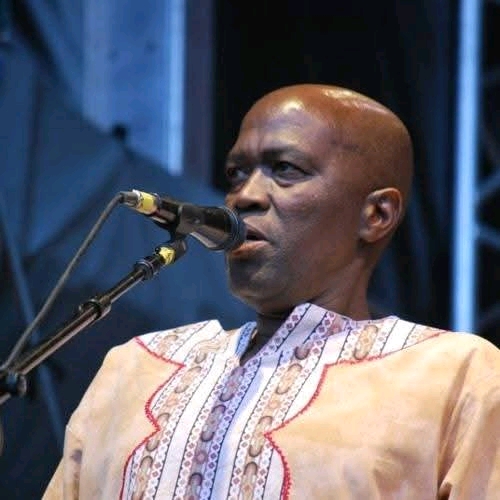
South Africa is mourning the loss of a musical icon following the passing of Albert Mazibuko, a long-serving member of the world-renowned group Ladysmith Black Mambazo. The legendary singer died at the age of 77, leaving behind a powerful legacy that shaped traditional South African music for decades.
Mazibuko’s death was confirmed on Monday, 6 April 2026, by the group through an official statement. His passing has been described as a devastating loss not only to the group but to the country’s cultural heritage as a whole. Tributes have been pouring in from fans, fellow musicians, and industry leaders who remember him as a humble, passionate, and deeply influential figure in music.

Born in Ladysmith, KwaZulu-Natal, Mazibuko became part of Ladysmith Black Mambazo in 1969 after being invited by the group’s founder, Joseph Shabalala. From that moment, he remained a core member for over five decades, dedicating 55 years of his life to the group. His contribution helped shape the signature isicathamiya sound that gained international recognition.
Over the years, Mazibuko became known as Shabalala’s “right-hand man,” playing a vital role both on and off the stage. He was admired not only for his vocal talent but also for his deep knowledge of the group’s history and traditions. Within the group, he was often referred to as a cultural custodian—someone who preserved and passed on the essence of their music to younger generations.
Following Shabalala’s retirement in 2014, Mazibuko stepped into a leadership role, guiding newer members and ensuring the group’s legacy continued. He also became the main spokesperson for the group, frequently engaging with media and fans, always eager to share their message of peace, love, and unity.
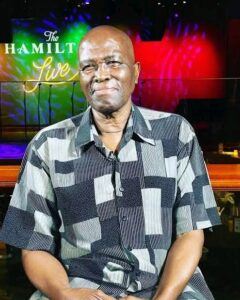
Mazibuko officially retired from performing after more than five decades on stage, citing his age and declining strength. However, his passion for music never faded. He expressed a strong desire to mentor young artists and help refine their skills, particularly within the isicathamiya genre.
Throughout his career, he was part of a group that achieved global acclaim, winning multiple Grammy Awards and collaborating with international stars. More importantly, he played a key role in taking traditional Zulu music to audiences around the world, helping to preserve and promote South Africa’s rich cultural identity.
His passing marks what many have called “the end of an era,” as one of the last remaining pillars of the original Ladysmith Black Mambazo lineup is gone.
While funeral and memorial details have not yet been announced, Mazibuko’s impact will continue to live on through the music he helped create and the generations he inspired.
South Africa has truly lost a legend, but his voice and legacy will echo for years to come.
About the Author