
The quiet village of Ga-Mapetleke in Mogalakwena, Limpopo, has been left in shock and mourning following the tragic death of 34-year-old Sebolaishi Leso, who was allegedly stabbed by her ex-boyfriend in a brutal attack that has once again highlighted South Africa’s ongoing crisis of gender-based violence.
According to reports, Leso was confronted by her former partner before the situation escalated into a violent assault. Community members say the attack happened suddenly, leaving little time for anyone to intervene. After the incident, the suspect allegedly fled the scene, while Leso was left critically injured. Emergency services were called, but despite their efforts, she succumbed to her wounds and was declared dead at the scene.

Police have since confirmed that a suspect has been arrested in connection with the killing and is expected to appear in court soon. Authorities have not yet released full details surrounding the motive, but the incident is being investigated as a case of murder linked to domestic violence.
For Leso’s family, the pain is indescribable. They are now faced with the devastating task of planning a funeral for a woman described by those who knew her as kind, hardworking, and full of life. Friends and relatives say she had hopes and plans for the future that were cruelly cut short by an act of violence that should never have happened.
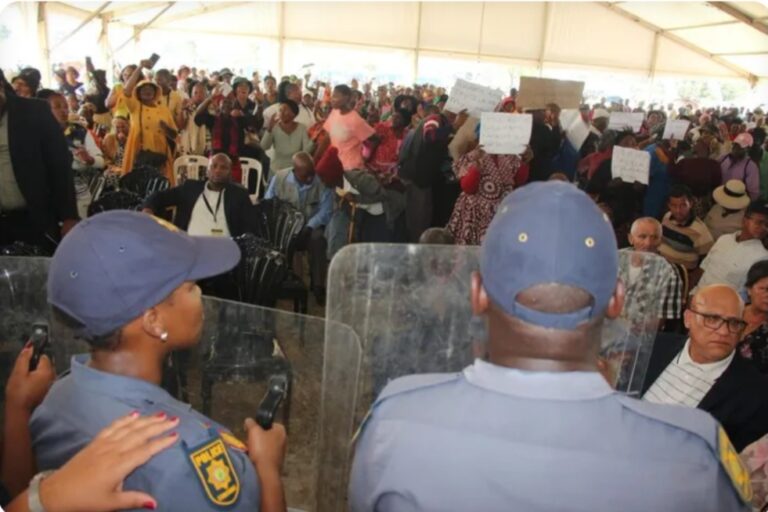
The tragedy has also sent shockwaves through the Ga-Mapetleke community. Neighbours and local residents have expressed anger, sadness, and frustration, saying that such incidents are becoming far too common. Many gathered to comfort the family and to speak out against the continued violence faced by women in South Africa, particularly at the hands of intimate partners or former partners.
South Africa continues to battle alarmingly high rates of gender-based violence, with countless women losing their lives each year in circumstances similar to Leso’s. Advocacy groups have repeatedly called for stronger prevention measures, faster responses from law enforcement, and tougher consequences for perpetrators. While arrests are important, communities and activists argue that more must be done to stop these crimes before they happen.
This latest case has once again reignited calls for action, not just from authorities but from society as a whole. Community leaders have urged people to speak out against abuse, to support victims, and to report threats or violent behaviour before it escalates into tragedy. They stress that gender-based violence is not just a private matter, but a social crisis that requires collective responsibility.
As Sebolaishi Leso’s family and friends prepare to lay her to rest, they do so with heavy hearts and unanswered questions. Another life has been taken too soon. Another family has been left with unbearable grief. Her death serves as a painful reminder that behind every statistic is a real person, a real family, and a community forever changed.
The hope remains that justice will be served—and that one day, stories like this will no longer be a regular headline, but a rare and unthinkable tragedy.
About the Author