A seemingly small act of corruption has led to major consequences for a Mpumalanga traffic officer, sparking widespread debate across South Africa. What began as a R50 bribe has grown into a national conversation about unequal justice, accountability, and the deeper issues within the country’s law-enforcement sector.
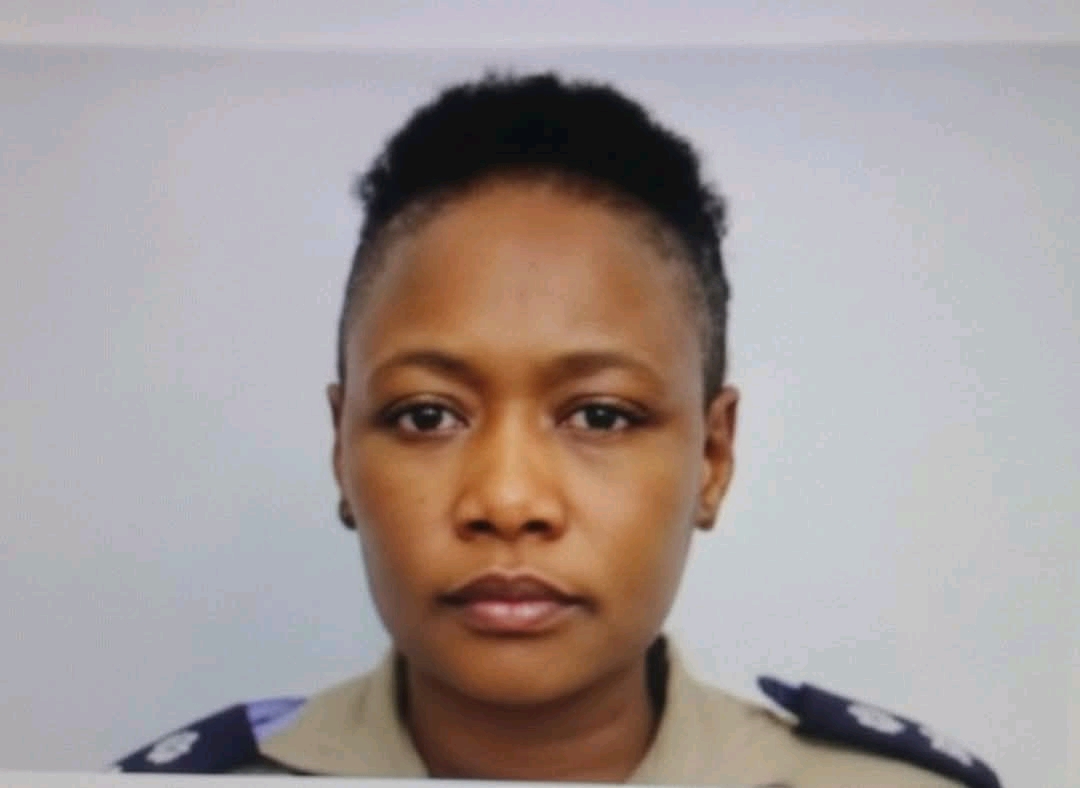
Traffic officer **Thembisile Yende** was arrested in 2022 during an undercover operation in Ermelo. The sting was launched after motorists repeatedly complained that officers were demanding cash in exchange for overlooking minor road violations. Acting on these reports, the Middelburg-based Serious Corruption Investigation team deployed a police agent disguised as an ordinary motorist. When Yende allegedly asked the undercover officer for a R50 payment for failing to display registration plates, she was immediately taken into custody.
After several court appearances stretching over more than two years, the Ermelo Magistrate’s Court handed down its judgment. Yende received a **five-year prison sentence**, entirely suspended for five years on the condition that she does not commit a similar offence during that period. While this means she will not go to jail unless she reoffends, the conviction alone ends her career and marks her permanently in the justice system.

Hawks spokesperson Lieutenant Colonel Magonseni Nkosi said the operation was necessary due to growing frustration among Ermelo drivers. Many felt trapped by officials abusing their authority, and the Hawks were determined to respond decisively. Mpumalanga Hawks head, Major General Nico Gerber, added that although the suspended sentence was not the harshest possible outcome, it should still serve as a warning to law-enforcement officers who consider engaging in corrupt behaviour. He stressed that every act of bribery, no matter how small, undermines public trust in the system.
The Hawks’ stance echoes similar anti-corruption drives in other provinces. The Johannesburg Metropolitan Police Department has also intensified efforts to crack down on unethical officers after receiving a wave of reports about bribery on the roads.
Still, the public reaction to Yende’s sentencing revealed sharp divisions. On social media, South Africans questioned whether the punishment matched the crime—or whether it was unjustly lenient or harsh. Some users were stunned that she would jeopardize her entire career for just R50. Comments such as *“Imagine losing your job and career for R50”* and *“A pie and a Coke cost her everything”* captured how trivial the amount seemed compared to the consequences.
Others argued that the justice system is inconsistent. Several users compared her suspended sentence with much heavier sentences handed to traffic officers in other provinces. Others pointed out that high-profile political figures accused of corruption involving large sums have faced little or no accountability. As one user remarked, *“Those who loot billions walk free.”* Another wondered aloud what punishment senior politicians would receive if R50 earned a five-year sentence.
The conversation also highlighted a broader public frustration: many South Africans feel that low-level corruption is punished swiftly, while large-scale wrongdoing often goes untouched.
In a related case earlier in the year, Briefly News reported that a funeral parlour driver in the Eastern Cape was arrested after attempting to bribe a traffic officer during a routine stop-and-search. That incident, too, drew jokes and criticism online, suggesting that the issue of bribes—big or small—remains deeply embedded in public consciousness.
Ultimately, while Yende’s case involved just R50, it has once again placed a spotlight on the state of ethical conduct among those entrusted to uphold the law. It raises the question of whether South Africa is winning the fight against corruption—or simply exposing how uneven the justice system can be.
About the Author