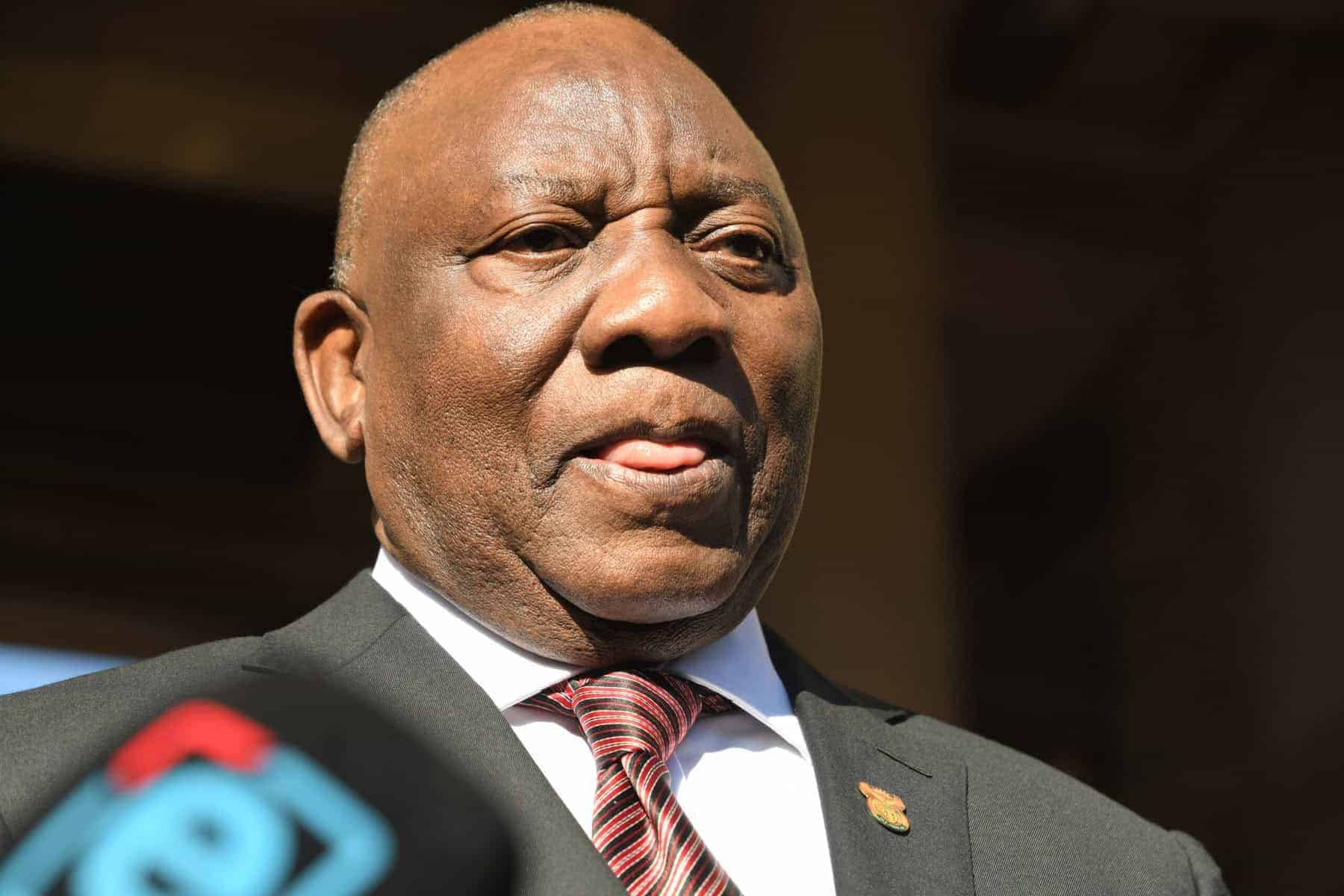
A viral AI-generated TikTok video featuring South African President Cyril Ramaphosa dancing to Tyla’s hit song Chanel has ignited a nationwide debate about the boundaries of artificial intelligence, humour, and respect for public figures. Posted on 30 December 2025 by TikTok creator @tchello_ai, the clip quickly captured the attention of social media users, amassing more than 9 million views within days and triggering mixed reactions across the country.

At first glance, the video appeared playful and light-hearted. Using advanced AI animation tools, the creator transformed footage of President Ramaphosa at a podium into a convincing scene of him dancing energetically to the globally popular track. The unexpected fusion of politics, music, and cutting-edge technology made the clip instantly shareable, especially among younger audiences accustomed to viral digital satire.
However, what began as entertainment soon evolved into a serious conversation about ethics in the digital age. Many South Africans questioned whether it is appropriate to use AI to manipulate the likeness of real people—particularly a sitting president—without consent. While AI-generated content has become increasingly common on social media, its rapid growth has outpaced clear legal and ethical guidelines, leaving the public divided on what should be acceptable.
Supporters of the video argued that it was harmless fun and a form of modern satire. Some users pointed out that humour has always played a role in political commentary and that digital tools are simply the latest medium. Others even speculated that the president himself may have seen the video and laughed it off, viewing it as a sign of South Africa’s relaxed and humorous political culture.
https://x.com/i/status/2006336102291079306
On the other hand, critics felt the video crossed a line. They expressed concern that turning respected leaders into internet jokes could undermine the dignity of public office. Some viewers worried about the potential for misinformation, noting that not everyone can easily distinguish between real and AI-generated content. Comments such as “My mom is going to believe this” highlighted fears about how such videos could mislead older or less tech-savvy audiences.
The debate also touched on broader global issues. Around the world, governments and legal experts are grappling with how to regulate AI-generated images and videos, especially those involving public figures. Questions of consent, defamation, and digital manipulation remain unresolved in many countries. In South Africa, where political leadership carries deep historical and symbolic significance, these concerns feel particularly personal.
Several social media users went as far as asking whether creating such content should be illegal. Comparisons were drawn to other countries where mocking political leaders online can carry severe consequences. While South Africa strongly values freedom of expression, the conversation revealed growing unease about how far that freedom should extend when technology can so easily blur reality.
Ultimately, the viral Ramaphosa dance video did more than entertain—it exposed the tension between creativity and responsibility in an era dominated by artificial intelligence. As AI tools become more accessible and powerful, South Africans, like the rest of the world, are being forced to confront an important question: just because technology allows us to create something, does that mean we should?
About the Author