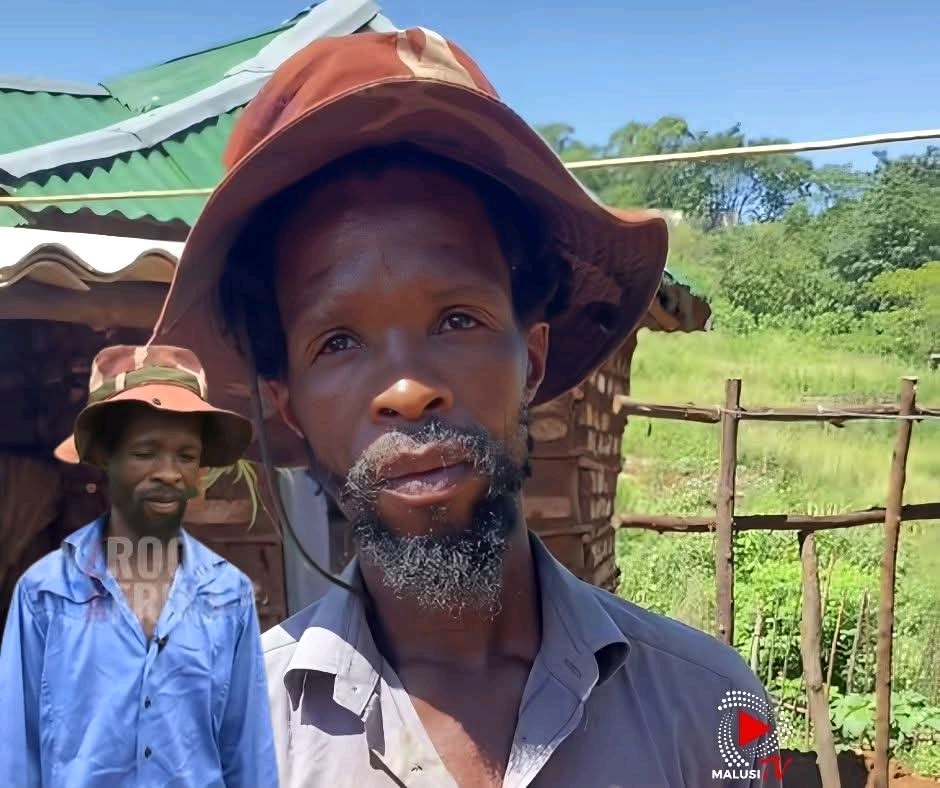
Zakhele Cindi, a 43-year-old man from Pietermaritzburg, says he has no intention of claiming or burying his late father’s body, which has been lying in a government mortuary since early January. Speaking to Newzroom Afrika earlier this week, Cindi explained that his decision is rooted in years of emotional pain, alleged abuse and abandonment.
According to Cindi, his relationship with his father was deeply troubled. He claims that his father abandoned him during his childhood, leaving lasting emotional scars. Over the years, tensions between the two reportedly escalated, with Cindi alleging that he was subjected to abuse. The strained relationship ultimately deteriorated to the point where his father sought legal protection against him, obtaining a protection order.
Cindi says these events shaped his decision and that he stands firm despite criticism from some members of the community who believe that burying a parent is a cultural and moral obligation. “People don’t know what I went through,” he said, maintaining that he cannot ignore the trauma he associates with his father. For him, the choice is not about disrespect, but about protecting his own emotional wellbeing after years of unresolved conflict.
The matter has sparked broader conversations about family responsibility, cultural expectations and the emotional complexities that can arise when relationships break down. In many communities, burial rites are regarded as sacred duties carried out by family members, often regardless of past grievances. However, Cindi’s case highlights how unresolved family disputes and painful histories can complicate such traditions.
https://www.facebook.com/share/v/1FG3hGbfTQ/
Meanwhile, the KwaZulu-Natal Legislature’s Portfolio Committee on Health has raised concern about the growing number of unclaimed bodies across the province. The committee revealed that government mortuaries in KwaZulu-Natal are currently holding between 500 and 600 unclaimed bodies. This backlog has placed strain on mortuary facilities and government resources.
Health officials say unclaimed bodies often remain in storage for extended periods due to difficulties in tracing family members, financial constraints, or, in some cases, relatives refusing to take responsibility. Authorities typically follow legal processes to locate next of kin, but when families cannot be found or decline to claim the deceased, the state may eventually arrange pauper burials.
Cindi’s situation is just one of many contributing to the growing number of unclaimed bodies in the province. While some cases stem from poverty or migration, others, like his, are tied to fractured family relationships and personal trauma.
As debate continues, Cindi remains resolute in his stance. He says his decision is final and that he has made peace with it, regardless of public opinion. His story sheds light on the complex and often painful realities behind the statistics, revealing that the issue of unclaimed bodies is not only administrative, but deeply human.
About the Author