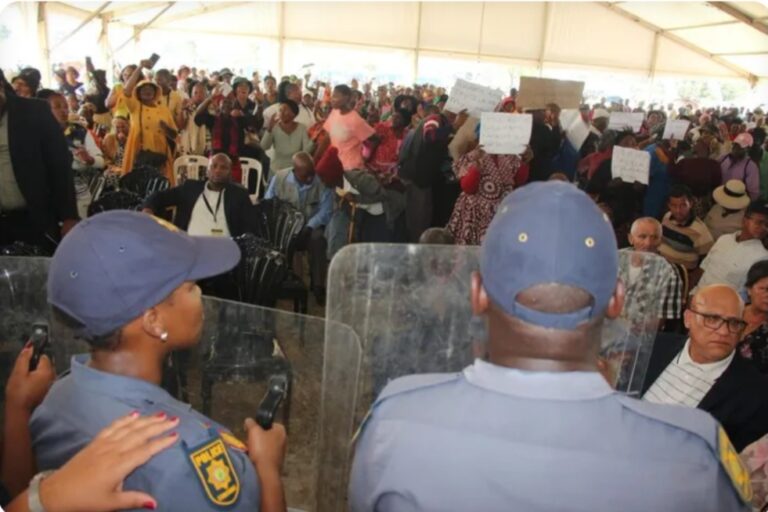
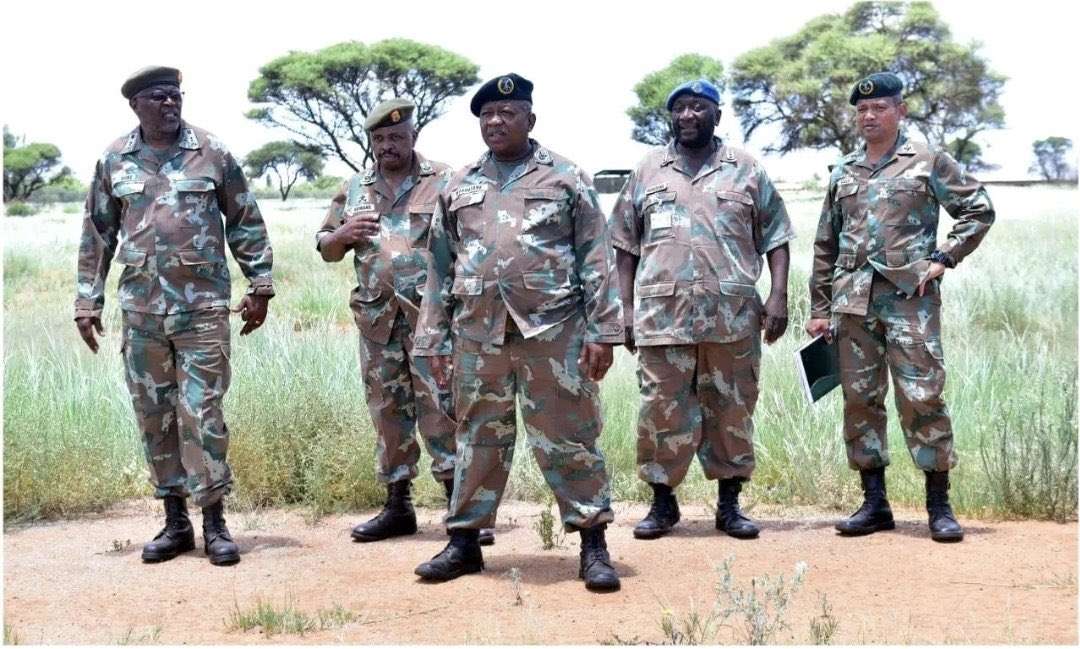
Defence analysts have raised serious concerns about South Africa’s ability to protect itself against potential foreign military threats, warning that years of underfunding and declining capacity have left the South African National Defence Force (SANDF) severely weakened. While experts stress that there is no immediate risk of a foreign invasion, they caution that the country would struggle to mount a credible defence if such a situation were to arise.
According to defence analyst Dean Wingrin, sustained budget cuts, the loss of skilled personnel and the erosion of key operational capabilities have significantly compromised the SANDF. He explained that these challenges have steadily reduced the military’s readiness and effectiveness, making it increasingly difficult for South Africa to respond to complex or large-scale threats. Wingrin noted that even at its strongest, the SANDF would not be able to match the scale and technological superiority of global military powers such as the United States.
Wingrin further argued that if a major power like the US were to engage militarily, South Africa would face overwhelming challenges. Modern warfare capabilities, including aircraft carrier strike groups, long-range missiles and strategic bombers, would allow such a force to operate with minimal resistance. Although South Africa’s position at the southern tip of the continent presents logistical challenges, Wingrin said advanced military infrastructure and overseas bases would easily overcome these obstacles.
Rather than focusing on unlikely worst-case scenarios, Wingrin believes South Africa should prioritise restoring and maintaining defence capabilities comparable to those of its African peers. He warned that continued neglect of the SANDF could leave the country increasingly exposed, adding that South Africa’s best protection lies in careful diplomatic positioning, economic prudence and a meaningful commitment to non-alignment in global politics.
Defence expert Helmoed-Römer Heitman echoed similar concerns, particularly regarding the country’s naval capacity. He said South Africa’s small submarine fleet offers limited deterrence against major global powers and would not prevent them from acting in pursuit of critical interests. However, Heitman added that submarines could still play a strategic role by increasing the risks and costs of military action against South Africa.
For this to be effective, Heitman stressed that the South African Navy would need to restore full operational capability, modernise its submarines and invest in new weaponry, including torpedoes, mines and potentially missile systems. Without such upgrades, the deterrent value of the fleet would remain largely symbolic.
Heitman also outlined scenarios that could elevate South Africa’s strategic importance. A potential conflict between China and Western powers, though unlikely, could make the sea route around the Cape of Good Hope critically important for global trade and military logistics. In such a situation, South Africa could be forced to protect its waters as a neutral zone or align with Western nations, decisions that would have major economic and security implications.
Both analysts agree that South Africa’s current defence posture is unsustainable. While the country may not face immediate danger, the continued weakening of the SANDF risks leaving it vulnerable in an increasingly unstable global environment. Restoring military capacity, they argue, is not about aggression, but about safeguarding sovereignty and national security.
About the Author