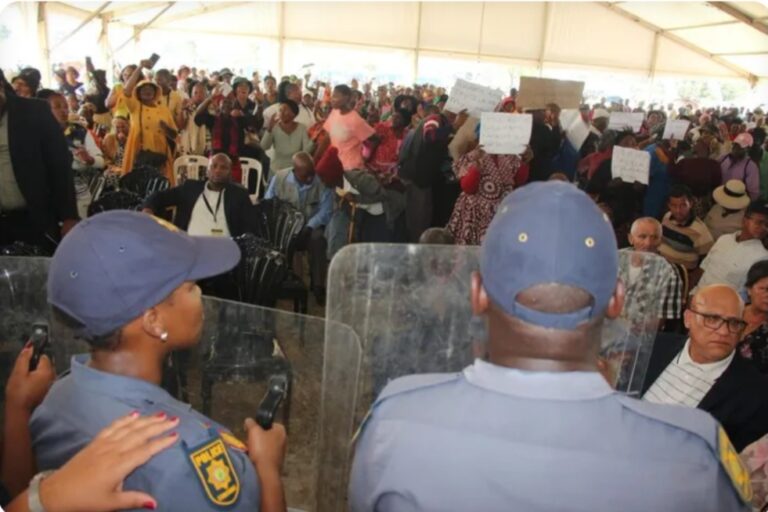
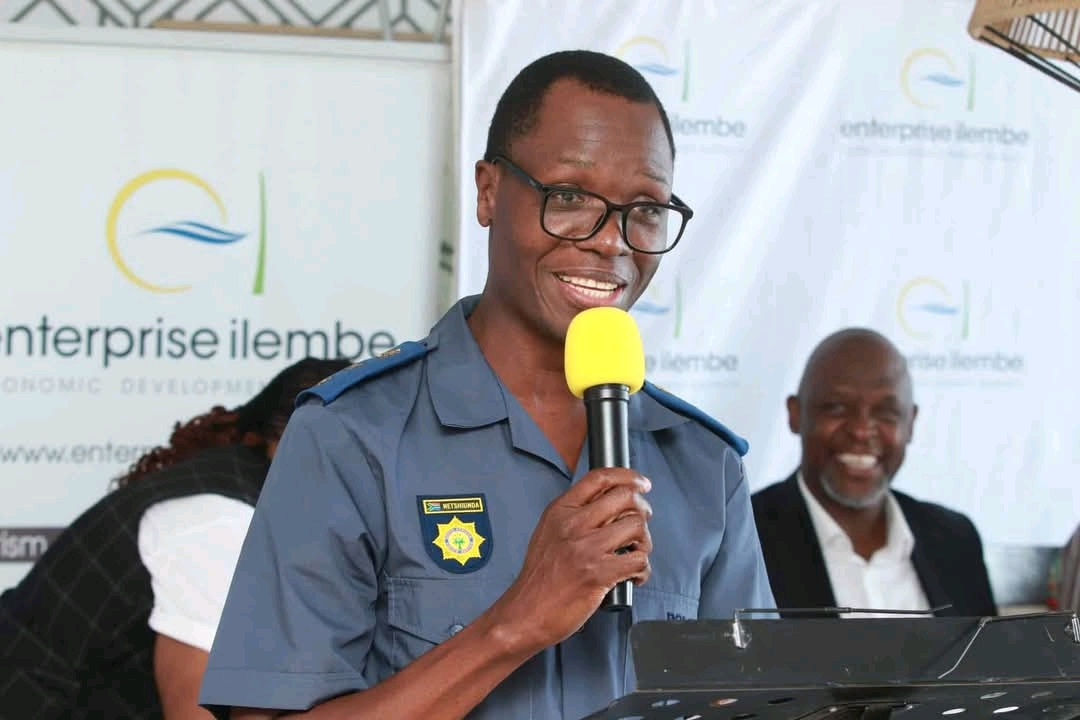
A video that has gone viral on social media has ignited widespread debate and condemnation across South Africa after a woman from KwaZulu-Natal was filmed verbally attacking a senior police official during a heated exchange over language use. The incident, which has dominated online discussions, has raised serious concerns about intolerance, identity politics, and social cohesion in the country.

The man at the centre of the confrontation has been identified as Robert Netshiunda, the official spokesperson for the KwaZulu-Natal South African Police Service (SAPS). In the video, the woman can be heard angrily berating Netshiunda, accusing him of being “stupid” for failing to communicate with her in isiZulu, one of the most widely spoken languages in the province. What began as a language-related dispute quickly escalated into remarks that many viewers have described as insulting, discriminatory, and deeply divisive.
According to those who have viewed the footage, the woman went further by questioning Netshiunda’s presence in KwaZulu-Natal, telling him to return to Limpopo, his province of origin. She reportedly suggested that he did not belong in the province because he was not a Zulu speaker and used a derogatory term commonly associated with xenophobic rhetoric. Although Netshiunda is a South African citizen, the language used against him echoed sentiments often directed at foreign nationals, blurring the lines between xenophobia and ethnic intolerance.
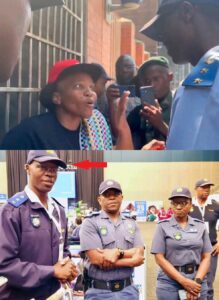
The incident has triggered strong reactions online, with many South Africans condemning the woman’s behaviour as unacceptable and embarrassing. Critics argue that the confrontation highlights a growing and worrying trend where language, ethnicity, and regional identity are increasingly used to exclude others or question their legitimacy in certain spaces. Others have expressed concern that such attitudes threaten national unity in a country already grappling with deep social and economic challenges.
https://x.com/i/status/2016537789160894711
Netshiunda, a long-serving police officer, holds a senior communications role within SAPS in KwaZulu-Natal. English, as one of South Africa’s official languages, is commonly used as a working language in government and public institutions. While the video has reignited discussions around language accessibility and representation in public service, many commentators have stressed that no frustration justifies verbal abuse or ethnic slurs.
Legal experts and social commentators have also weighed in, warning that discriminatory language and conduct may conflict with constitutional principles that uphold dignity, equality, and respect for diversity. South Africa’s Constitution recognises 11 official languages and promotes inclusivity, making mutual respect essential in public interactions.
The incident has also revived a well-known warning by Economic Freedom Fighters (EFF) leader Julius Malema, who previously cautioned that hostility toward outsiders could eventually turn South Africans against one another. His words — “when you are done chasing foreigners away, you will fight each other” — have resurfaced as many believe the video reflects this very concern.
At the time of publication, SAPS had not released an official statement regarding the incident, and no confirmation of disciplinary or legal action had been made public. Despite this, the video continues to trend, fuelling broader conversations about identity, tolerance, and respect.
Analysts warn that without meaningful dialogue, responsible leadership, and a renewed commitment to constitutional values, similar confrontations are likely to become more common. For many South Africans, the incident serves as a stark reminder of the fragile nature of social unity and the urgent need to embrace diversity as a national strength rather than a source of division.
About the Author