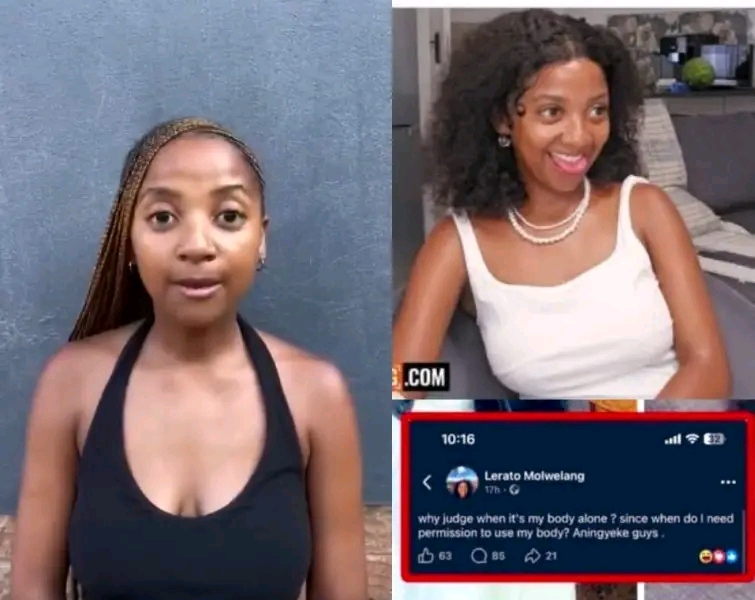
A powerful and emotional video shared on social media has triggered a nationwide conversation about alleged exploitation within South Africa’s informal modelling and casting industry. The clip, which went viral across platforms such as Facebook, X (formerly Twitter), and TikTok, has raised serious questions about online safety, consent, accountability, and the risks faced by young people pursuing opportunities in a harsh economic environment.
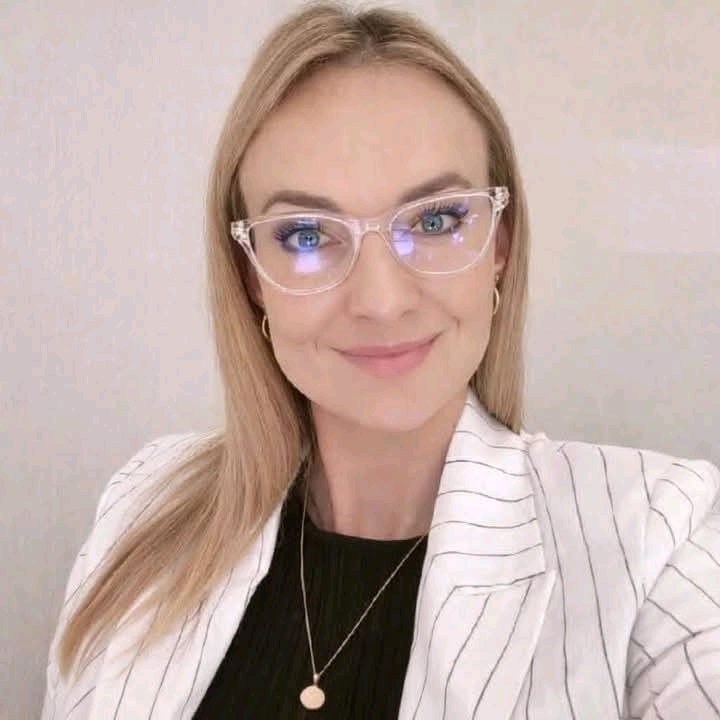
At the centre of the controversy is a 20-year-old woman, Lerato Molelwang, who shared her personal experience in a video posted on 15 January 2026. What began as a short personal testimony quickly gained traction, turning Molelwang into a trending topic and placing the casting agency she mentioned under intense public scrutiny. By midday, thousands of South Africans had shared the video, expressing concern, anger, and sympathy.
In the video, Molelwang appears visibly distressed as she recounts what she describes as a deeply troubling encounter with an agency operating under the name African Audition. She claims she was approached with what appeared to be legitimate modelling or audition opportunities, only to later realise that the promises made to her were misleading. According to her account, she never signed a formal contract and says she now believes she was misinformed from the start.
https://x.com/i/status/2011108407063764994
Molelwang alleges that the situation escalated when content linked to her interaction with the agency began circulating online without her consent. She says this left her feeling exposed, violated, and emotionally overwhelmed. The alleged sharing of material without permission has become one of the most alarming aspects of her claims, resonating strongly with online users concerned about digital exploitation.
Adding to her distress, Molelwang says she later discovered a fake Facebook account impersonating her. She has denied any association with the account and claims it shared content she did not authorise. She confirmed that the impersonation has been reported to the relevant authorities, noting that it has further damaged her sense of safety and wellbeing. Online safety experts warn that impersonation can have serious consequences, including reputational harm and long-term emotional trauma.
The allegations have also reignited earlier warnings that had circulated online about African Audition. Several social media users and community safety pages had previously flagged the agency as suspicious, alleging that it targeted young women through social platforms with promises of auditions or modelling work. While some claims suggest recorded auditions were later misused, these allegations have not yet been tested in court.
As the video continued to spread, public reaction became sharply divided. Many South Africans expressed outrage and support for Molelwang, arguing that her story highlights power imbalances and exploitation in informal online recruitment spaces. Others questioned the circumstances, reflecting a broader and often uncomfortable national debate around consent, responsibility, and vulnerability. Advocacy groups have cautioned against victim-blaming, warning that such attitudes discourage reporting and allow abuse to continue.
Molelwang has indicated that she is considering legal action and intends to pursue all available avenues. While no formal court proceedings have been confirmed, her statement has intensified calls for law enforcement and regulatory bodies to investigate thoroughly.
Beyond one individual case, the incident has become a wider warning about the dangers of unverified online opportunities. Women’s rights organisations and safety advocates are urging young people to verify agencies, avoid informal auditions, protect personal content, and report suspicious behaviour. As the digital economy grows, the story has underscored the urgent need for awareness, stronger protections, and accountability in online recruitment spaces.
About the Author