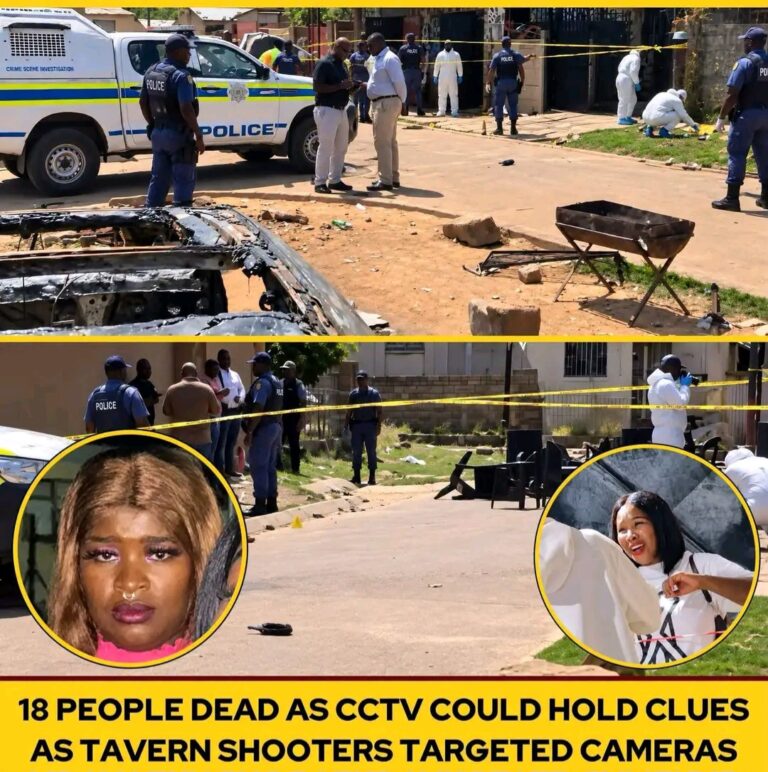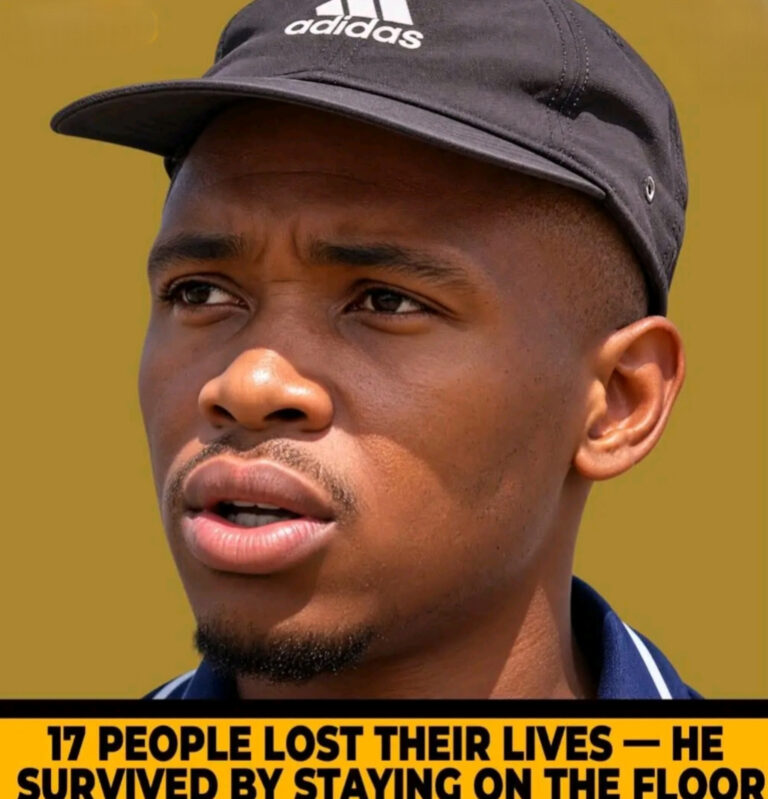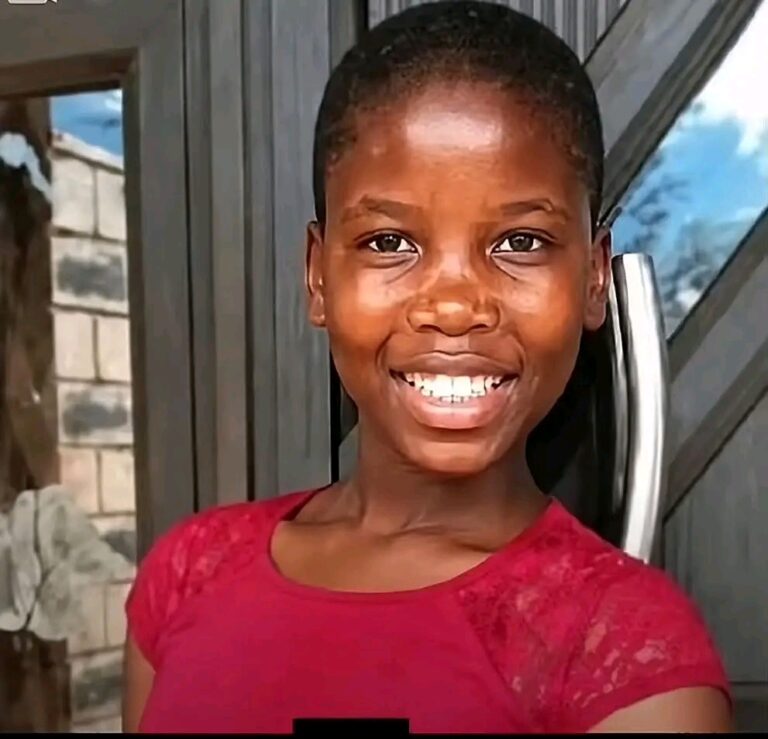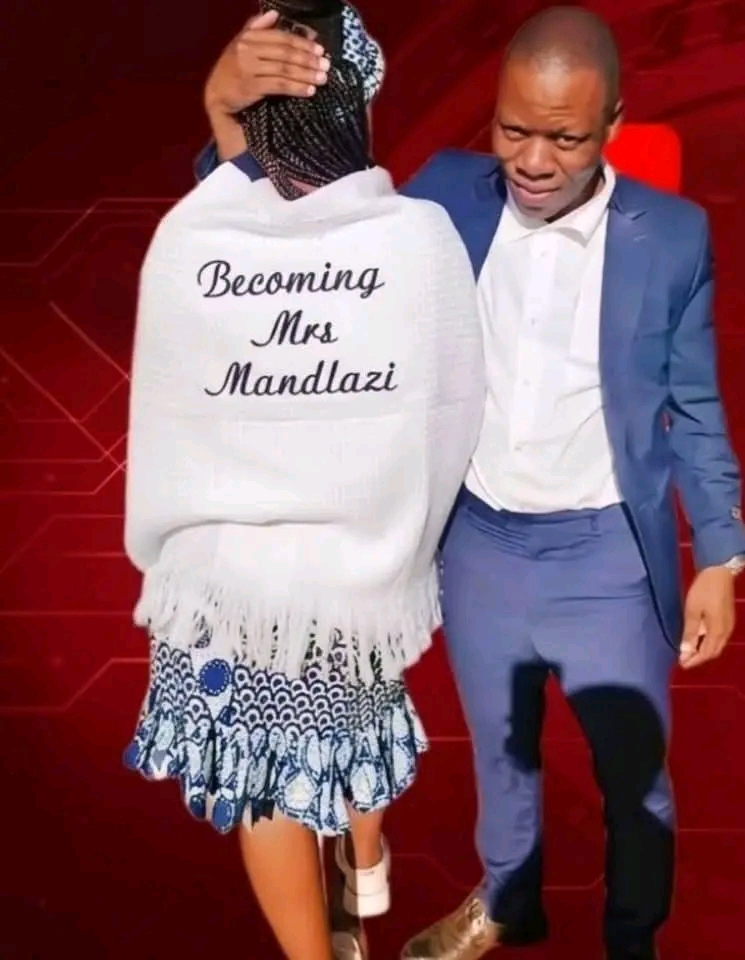
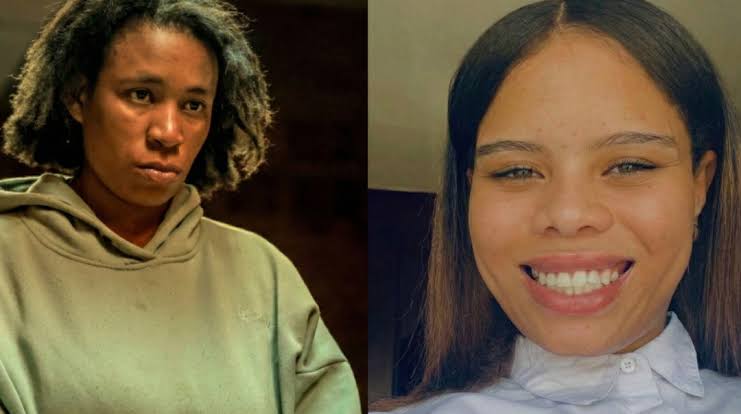
A Johannesburg woman is bravely speaking out after being falsely accused on social media of being involved in the tragic murder of Nigerian Bolt driver Isaac Satlat. The accusations, which circulated widely online, caused immense emotional distress and left Selanche Williams grappling with the stigma of being wrongfully labeled a criminal.

Williams shared her harrowing experience with Hugo Ribatika, explaining how the false allegations turned her life upside down. “It was devastating to wake up and find my name being linked to a murder I had no part in,” she said. The accusations quickly gained traction on social media platforms, with some users calling her a murderer and spreading rumors without any evidence.
The impact on her mental health was immediate and severe. Williams described feeling isolated, fearful, and constantly scrutinized by friends, neighbors, and even strangers who encountered the rumors online. “I didn’t know who to trust. It felt like the world had turned against me overnight,” she said. The constant barrage of messages and comments made it difficult for her to continue with her daily life, affecting both her work and personal relationships.
Beyond the psychological trauma, the social consequences of the false claims were significant. Friends and acquaintances, unsure of what to believe, began distancing themselves. Williams noted that the experience made her painfully aware of how quickly misinformation can spread online and how devastating it can be for those targeted. “Even after proving my innocence, some people still look at me differently. Some still whisper and avoid me, as if I were guilty,” she explained.
https://x.com/i/status/2025457242657423409
Despite these challenges, Williams is determined to rebuild her life and reclaim her reputation. She has sought legal advice to explore actions against those who propagated the false claims and has leaned on family and close friends for support. “I want to move forward and focus on healing, but the scars from this experience are not easy to erase,” she said.
Experts on social media and digital misinformation note that cases like Williams’ highlight the dangers of online speculation and the importance of responsible reporting. “Social media can amplify rumors to a global audience in minutes, and the damage to an individual’s life can be irreversible,” said a digital ethics analyst. Williams’ story serves as a cautionary tale about the power of unchecked information online and the very real human consequences it can have.
In reflecting on her ordeal, Williams emphasized the importance of empathy and critical thinking in online spaces. She urges social media users to avoid jumping to conclusions and to verify information before sharing it. “Words can hurt, and sometimes they destroy lives,” she said.
As she works to rebuild her life, Williams hopes that sharing her story will not only clear her name but also raise awareness about the dangers of false accusations on social media. She remains focused on her future, determined not to let an unfounded rumor define her.
About the Author