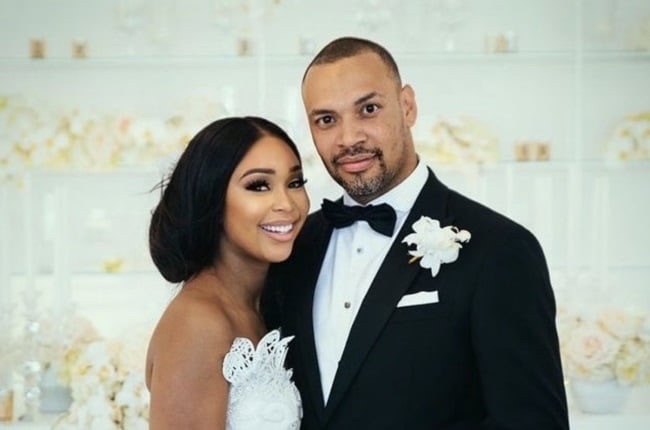
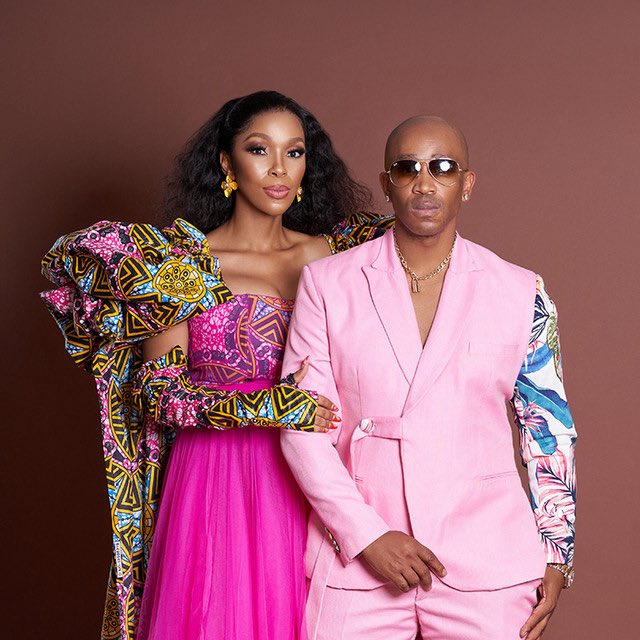
Award-winning South African music duo Mafikizolo has been removed from the lineup of the upcoming Buddie Beatz Concert in Victoria Falls, Zimbabwe, after a wave of criticism from Zimbabwean social media users. The concert is scheduled to take place on 5 July 2026.
The decision comes as tensions continue to rise between South Africans and Zimbabweans over immigration-related issues. Public debate has intensified ahead of planned anti-illegal immigration demonstrations in South Africa, with the growing political climate spilling over into the entertainment industry.
Calls for Mafikizolo to be removed from the Zimbabwean event gained momentum after a social media campaign urged organisers to cancel the group’s appearance. Some campaigners argued that Zimbabwe should prioritize its own musicians and questioned why South African artists should perform while Zimbabwean nationals have faced hostility in parts of South Africa.
One widely shared post warned that the duo would not be welcomed at the concert and threatened protests if the performance went ahead. The message quickly attracted attention online, fueling discussions across both countries.
Following the backlash, organisers confirmed that Mafikizolo would no longer perform at the event. While an official reason for the cancellation has not been publicly detailed, many observers believe the mounting pressure from online campaigns played a significant role.
https://x.com/i/status/2071525766085361925
The controversy unfolds against the backdrop of planned demonstrations in South Africa calling for stricter immigration enforcement. Civic organisations have announced nationwide marches demanding stronger border security, increased documentation checks, and the deportation of undocumented foreign nationals.
These developments have sparked heated conversations throughout the region, with many expressing concern that political disagreements are beginning to affect cultural exchanges and entertainment events.
Social media users have remained sharply divided over Mafikizolo’s removal. Some South Africans supported the decision by Zimbabwean campaigners, saying every country has the right to protect opportunities for its own artists and creative industries. Others argued that local talent should always receive first preference when major concerts are organised.
However, critics described the boycott as contradictory. They argued that preventing South African performers from working in Zimbabwe mirrors the type of exclusion that many foreign nationals have condemned in South Africa. Others maintained that artists should not become victims of political disputes or immigration debates beyond their control.
Several users also suggested that governments, rather than musicians, should be held accountable for resolving economic and migration challenges affecting both nations. They warned that targeting entertainers risks damaging cultural relationships that have long united people across Southern Africa.
The incident has reignited broader conversations about nationalism, regional cooperation, and the role of artists during times of political tension. Many commentators believe music should continue to serve as a bridge between communities instead of becoming another casualty of growing divisions.
Neither Mafikizolo nor their management had publicly commented on the cancellation at the time of publication. It also remains unclear whether the duo will be booked for future performances in Zimbabwe once tensions ease.
As discussions continue online, the situation highlights how immigration debates are increasingly influencing public opinion beyond politics, reaching sports, business, and now the entertainment industry across Southern Africa.
If you’d like, I can also rewrite it in a more engaging tabloid style suitable for news websites or Facebook audiences.
About the Author