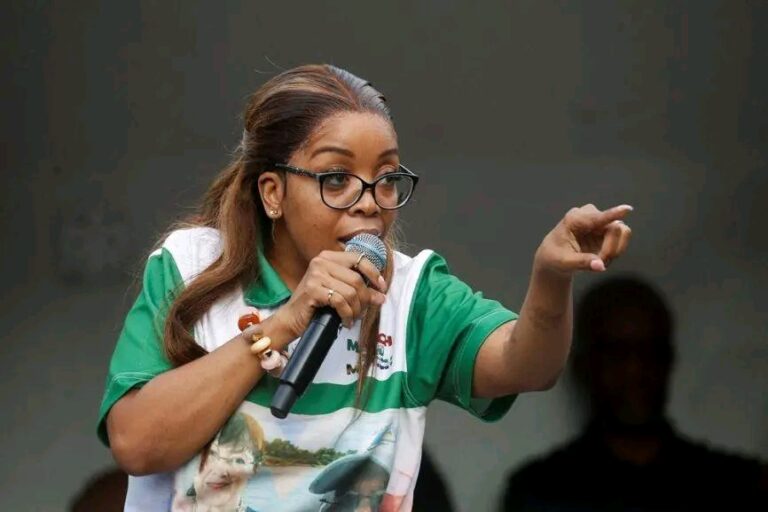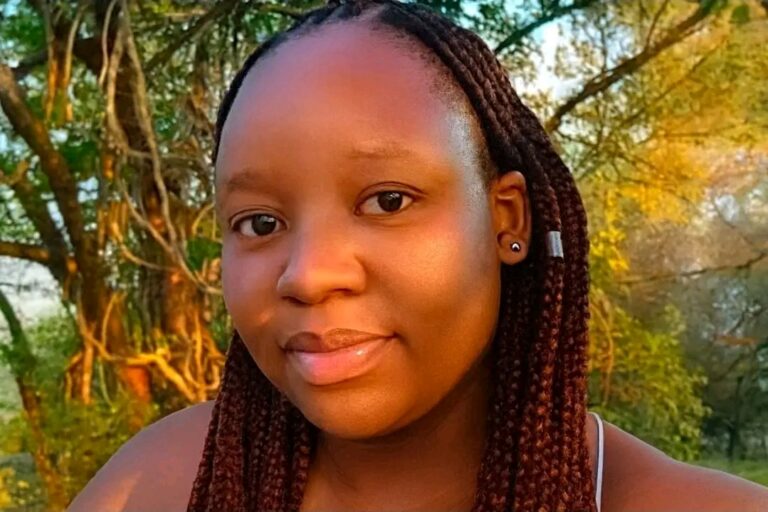
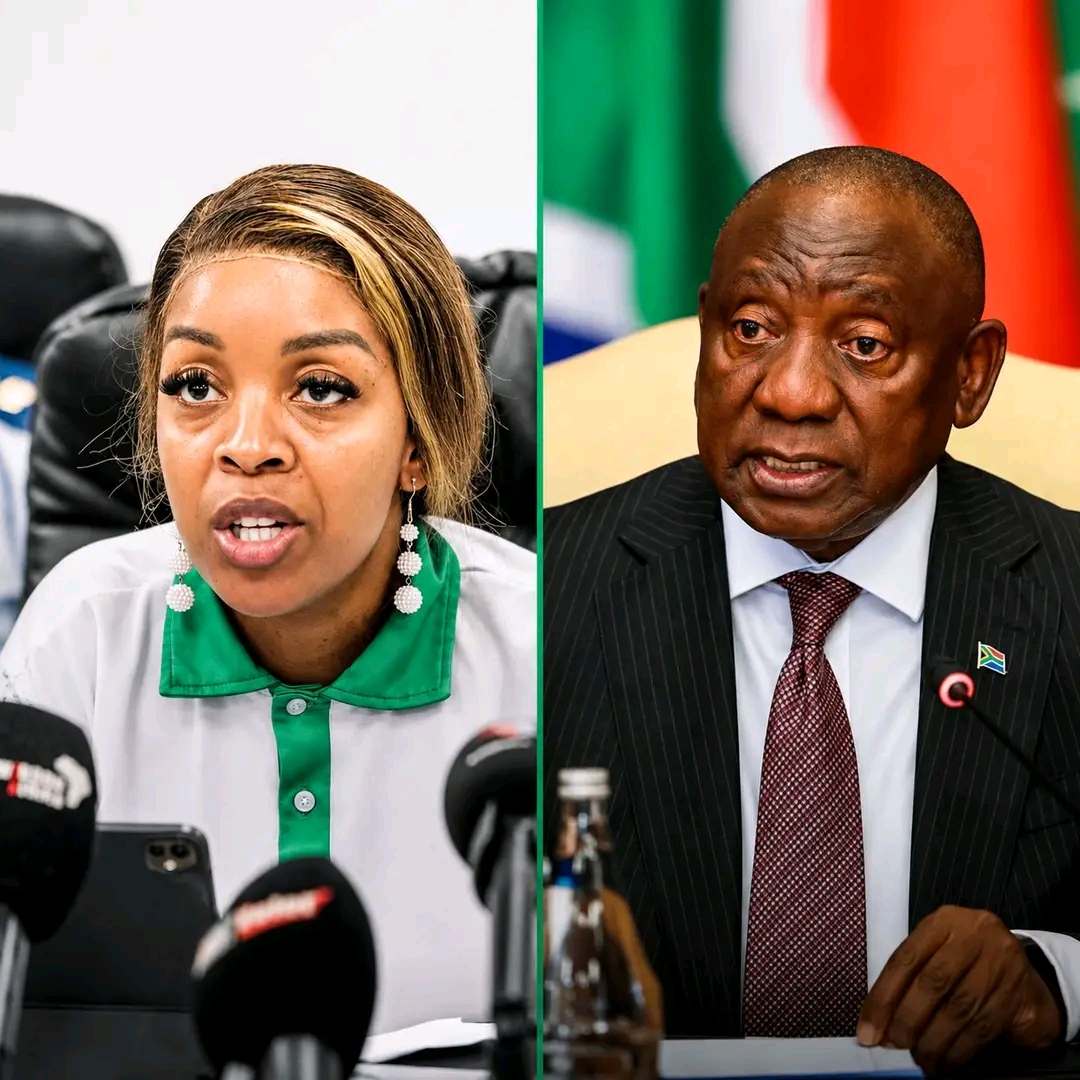
March and March leader Jacinta Ngobese-Zuma has revealed that several attempts by her organisation to secure a meeting with President Cyril Ramaphosa have not been successful, raising questions about communication between the government and leaders of the anti-illegal immigration movement.
Speaking in Durban, KwaZulu-Natal, after leading another protest against illegal immigration on 30 June 2026, Ngobese-Zuma said her organisation had formally requested an opportunity to engage with the president on multiple occasions but had yet to receive a positive response.
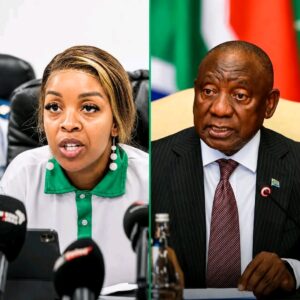
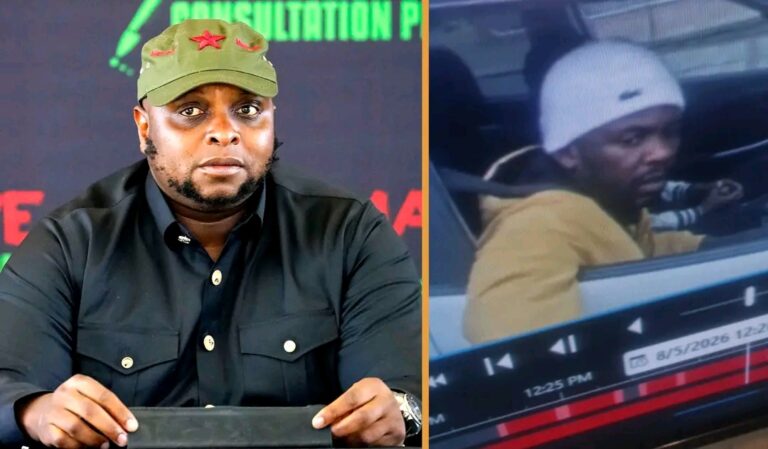
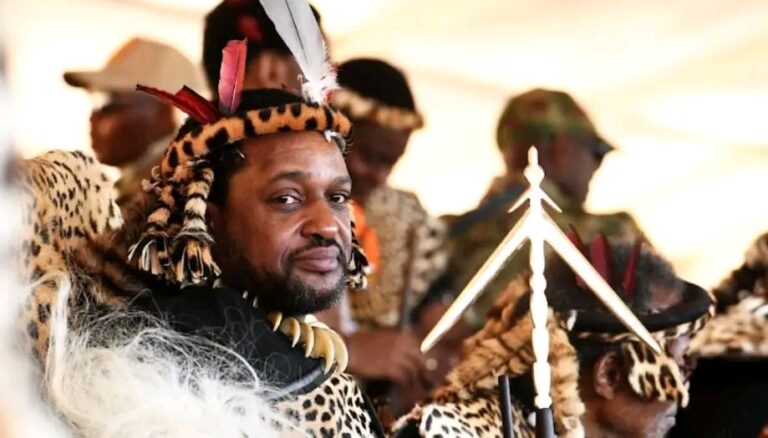
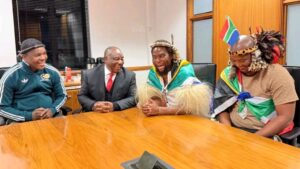
Her comments came after she was asked by an eNCA journalist about recent meetings between President Ramaphosa and other figures associated with the movement, including Ngizwe Mchunu and activist Phakel’umthakathi Ndabandaba. The journalist wanted to know what message she would deliver if she were given the same opportunity to meet the president.
Responding to the question, Ngobese-Zuma said that if President Ramaphosa had wanted to meet with her, he would have done so already. She jokingly suggested that perhaps her surname, Zuma, might have something to do with the lack of response, although she did not elaborate on the remark.
Despite the setback, she maintained that she remains willing to engage with the president on issues she believes are affecting South Africans. According to Ngobese-Zuma, she would like to discuss concerns surrounding ethnic mobilisation, government statements on immigration, and what she believes are key issues requiring urgent national attention.
She also confirmed that the organisation’s demonstrations are far from over. Ngobese-Zuma announced that anti-illegal immigration protests will continue every Thursday over the next three months as campaigners seek a direct response from government authorities. She said the protests are intended to keep pressure on officials until their concerns are acknowledged and addressed.
The movement has gained significant public attention in recent weeks as demonstrations continue in different parts of the country, with supporters calling for stricter immigration enforcement and stronger action against undocumented foreign nationals.
Following Ngobese-Zuma’s remarks, South Africans took to social media to debate why President Ramaphosa has not met with her despite engaging with other prominent figures linked to the movement.
Some users questioned whether gender could be influencing the situation, arguing that she deserved the same opportunity afforded to her male counterparts. Others suggested that the president’s decision could simply be part of a broader political strategy aimed at managing tensions surrounding the ongoing protests.
Meanwhile, recent reports indicate that Phakel’umthakathi Ndabandaba has dismissed speculation that there is a rift between himself and Ngobese-Zuma following his meeting with President Ramaphosa. He insisted that their shared objectives remain unchanged and rejected claims that the meeting had created divisions within the movement.
As weekly demonstrations continue across the country, attention is likely to remain focused on whether the presidency will eventually respond to Ngobese-Zuma’s request for dialogue. For now, she says her organisation will continue with its planned campaign until government leaders agree to engage directly with their concerns.
About the Author