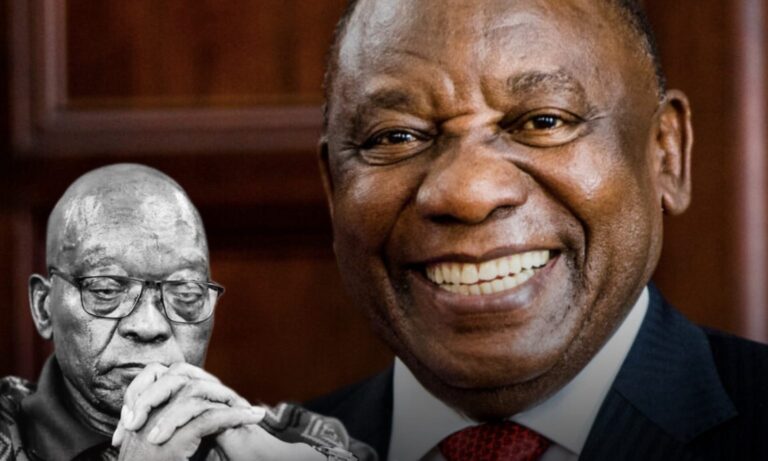
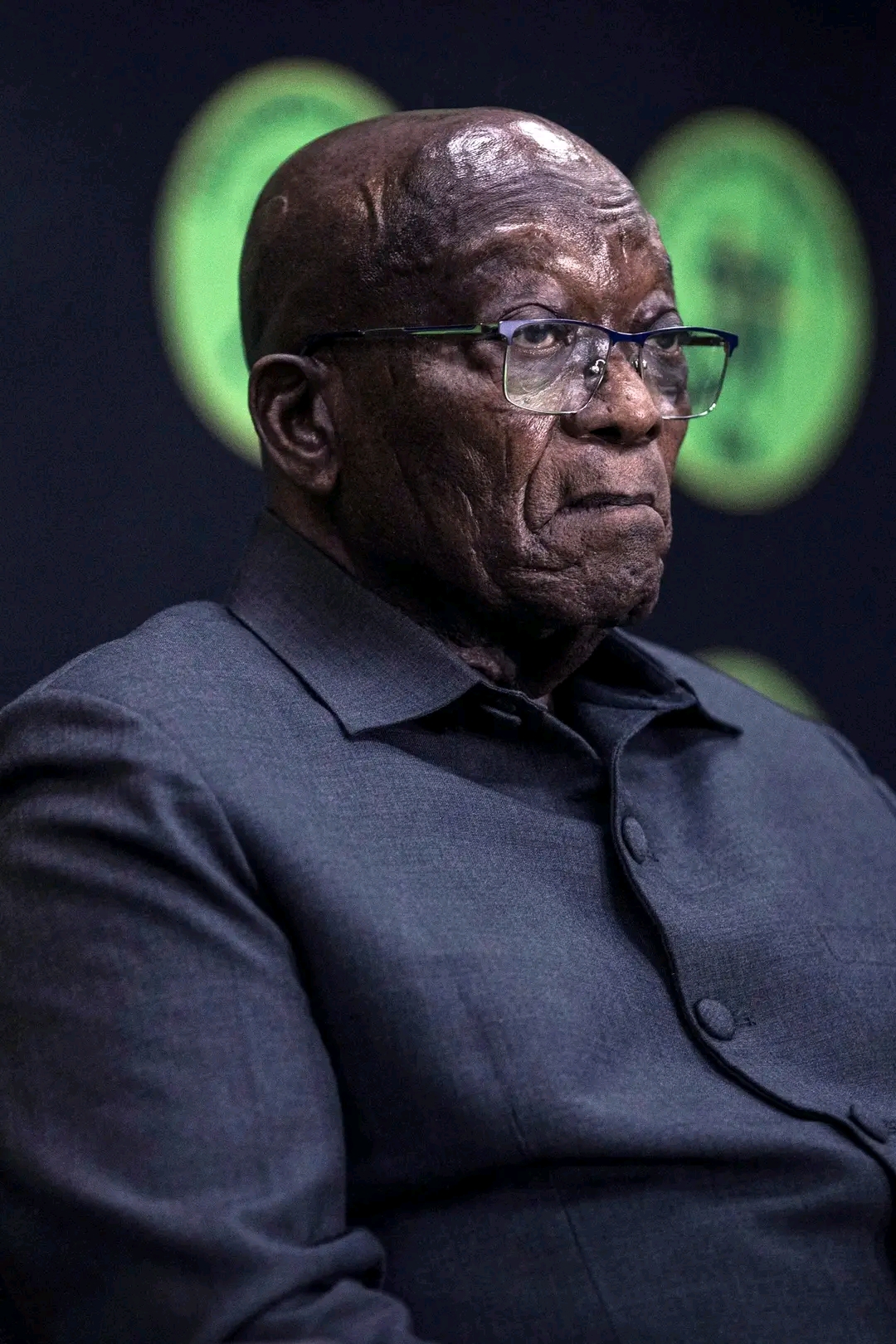
Former President Jacob Zuma’s recent trip to India has attracted significant public attention after he was seen meeting with Ajay Gupta, one of the controversial Gupta brothers, and visiting a Hindu spiritual leader. The private visit has raised political questions, with some analysts wondering whether the trip could have included efforts to secure financial backing for the uMkhonto weSizwe (MK) Party ahead of South Africa’s upcoming local government elections.
Speaking to reporters during his visit to Haridwar in India’s Uttarakhand state, Zuma explained that his journey was primarily to reconnect with Ajay Gupta, whom he described as both a close friend and a brother. According to Zuma, Gupta also introduced him to a respected spiritual guru whose guidance left him feeling inspired about the future.
Zuma said the experience gave him renewed confidence and motivation. He claimed that after receiving prayers and spiritual encouragement, he believed he now had the strength to lead his supporters and achieve success in the next municipal elections.
“I feel I am going to win the elections because God’s people have been with me,” Zuma said, adding that the spiritual encounter had renewed his determination to continue serving South Africans.
The MK Party has not publicly commented on Zuma’s visit, describing it as a private matter. However, Indian media widely reported on the former president’s appearance alongside Ajay Gupta, drawing renewed attention to their long-standing relationship.
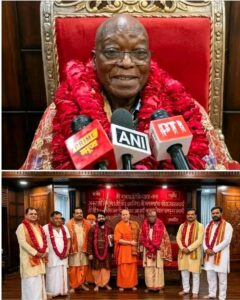
During interviews with Indian journalists, Zuma defended the Gupta family, arguing that they had been unfairly targeted by South African authorities. He suggested that criticism of the Guptas stemmed from their business relationship with his administration rather than any wrongdoing.
The Gupta brothers remain wanted in South Africa over allegations linked to state capture and corruption. Authorities have made several attempts to bring them back to face charges, although the brothers have consistently denied any criminal conduct. Reports indicate they have spent time in the United Arab Emirates while also retaining ties to India.
Political analyst Ntsikelelo Breakfast believes the timing of Zuma’s visit has naturally led to speculation about its purpose. He said election campaigns require substantial financial resources, making fundraising an important part of any political strategy.
According to Breakfast, businesses and individuals who benefited during Zuma’s presidency may still be willing to support his political ambitions. While there is no evidence that fundraising took place during the India visit, the analyst said such speculation is understandable given the history between Zuma and the Gupta family.
Another political analyst, Theo Neethling, said the visit confirms that Zuma continues to maintain personal ties with the Guptas. However, he cautioned against drawing conclusions beyond what has been publicly verified.
Neethling noted that the relationship between Zuma and the Gupta family has been extensively examined through the State Capture Commission. While both Zuma and the Guptas have repeatedly denied wrongdoing, no publicly available evidence currently shows that they have resumed the type of political or business relationship that featured prominently during Zuma’s presidency.
As debate continues, Zuma’s India trip has once again placed his relationship with the Gupta family under public scrutiny. Whether the visit was simply a reunion between old friends, a spiritual journey, or part of a broader political strategy remains a matter of speculation, with no official confirmation that fundraising or political planning took place during the trip.
About the Author