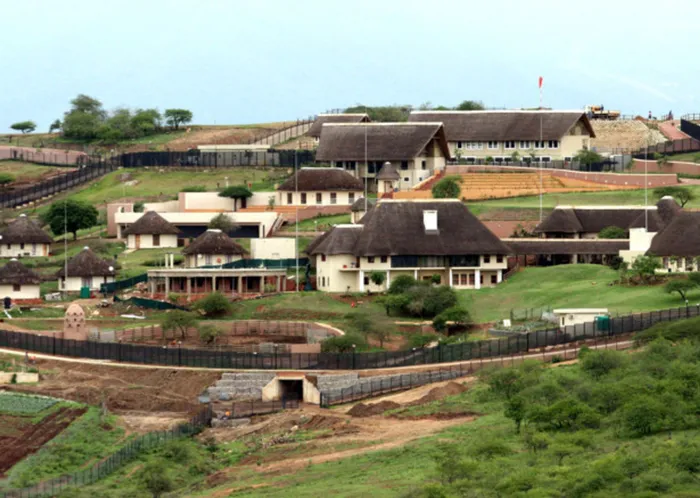
A major development in the long-running Nkandla saga has emerged after South Africa’s Special Tribunal ordered architect Minenhle Makhanya to repay more than R147 million to the National Treasury.
Makhanya, who served as the principal architect behind the controversial upgrades at former President Jacob Zuma’s private Nkandla residence, has been ordered to personally pay **R147,269,444.06** following a successful civil case brought by the Special Investigating Unit (SIU).
The judgment, delivered by Judge K. Pillay, follows years of legal efforts by the SIU to recover public money that was allegedly lost through unlawful procurement procedures, unauthorized construction work and excessive expenditure.
The case has attracted renewed attention because the Nkandla upgrades became one of South Africa’s most controversial examples of alleged misuse of state resources. The tribunal’s decision now represents another significant chapter in a saga that has continued for more than a decade.
## Costs Escalated From R28 Million to More Than R216 Million
According to the judgment, the project was initially approved as a security upgrade with an estimated cost of about **R28 million**. However, the final bill eventually rose to more than **R216 million**.
The Special Tribunal found that Makhanya, in his role as the project’s principal agent, failed to fulfil his statutory, professional and contractual responsibilities. The court rejected his argument that he was simply following operational instructions from the South African Police Service and the South African National Defence Force.
Instead, the tribunal concluded that Makhanya had authorized and approved work that went beyond legitimate security requirements, contributing significantly to the State’s financial losses.
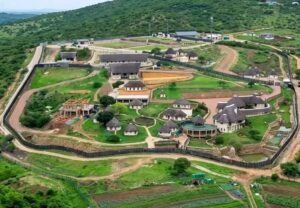
The controversial additions associated with the project included an underground tunnel network, structural lifts, accommodation for state officials, VIP parking facilities and a swimming pool that became widely known as the “fire pool”.
Other features included a cattle kraal, chicken run, visitor centre, amphitheatre, extensive internal roads and elaborate landscaping.
The tribunal also found that payments had been approved for services at inflated prices. Some of the work was allegedly incomplete, while other expenditure could not be properly verified through financial audits.
## Court Highlights Procurement Failures
Judge Pillay found that the original 2009 contract between the Department of Public Works and Infrastructure and Makhanya was invalid because it failed to comply with important constitutional procurement requirements and public finance laws.
Although the judge noted that Makhanya was not the only person involved in the wider project, the court emphasized the responsibility of a principal agent to protect public funds and ensure that proper procedures are followed.
The tribunal therefore held Makhanya personally liable for the amount claimed by the SIU.
## R147 Million Repayment and Interest
Makhanya must pay the full **R147.2 million**, with interest accruing at **11.25% per year** from the date of judgment until the amount is paid in full. He was also ordered to cover the SIU’s legal costs, including expenses associated with two senior counsel.
The final amount was reduced by approximately **R7.8 million**, reflecting money previously recovered from Jacob Zuma following the Constitutional Court’s 2016 ruling concerning non-security-related upgrades at Nkandla.
The SIU has welcomed the judgment as an important victory for accountability and consequence management in the public sector.
The unit has also indicated that evidence of possible criminal conduct uncovered during its investigation will be referred to the National Prosecuting Authority for consideration.
For many South Africans, the ruling represents an important reminder that public officials and professionals involved in state-funded projects can still face financial consequences years after questionable expenditure occurs.
About the Author