
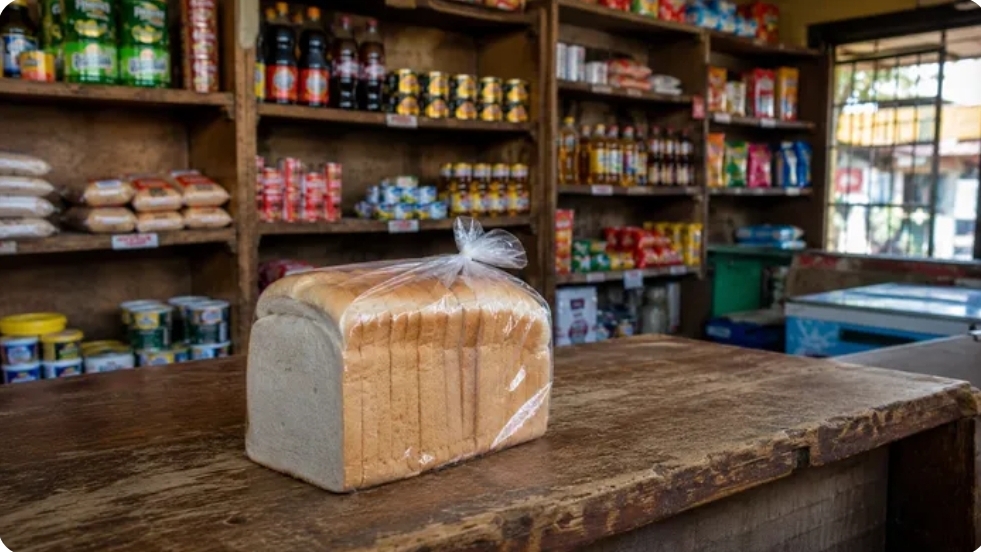
Residents in several Durban townships say they are feeling the financial strain after the prices of bread and other essential groceries increased at spaza shops now operated by South African owners.
Many community members claim that the price hikes began after foreign-owned spaza shops closed or changed ownership amid growing anti-immigrant tensions in parts of South Africa. While some residents welcomed the opportunity for local entrepreneurs to take over the businesses, they say the rising cost of everyday necessities has made life even more difficult.
Zandile, a 37-year-old single mother from Chesterville, said the increase in bread prices has placed additional pressure on families already struggling to make ends meet.
She explained that a loaf of bread, which previously cost around R20, is now selling for approximately R30 at some local spaza shops. According to her, many other household essentials have also become more expensive.
Residents say that when they question the higher prices, some shop owners respond by telling them to buy from the previous foreign shopkeepers if they believe the products were cheaper. However, many consumers say they have no alternative, leaving them with little choice but to pay the new prices.
Economic experts have previously noted that many foreign-owned spaza shops operate differently from smaller independent businesses. By purchasing stock in bulk and working together to negotiate better prices from suppliers, they are often able to sell products at lower prices while maintaining small profit margins.
In contrast, many locally owned spaza shops purchase stock individually and in smaller quantities. This often results in higher operating costs, which are then passed on to customers through increased retail prices.
Residents in KwaMashu have also expressed concern over the rising cost of groceries. While they support the idea of South Africans owning businesses in their communities, they believe the changes have negatively affected affordability and convenience.
One resident said even small items, such as individual tea bags, have become significantly more expensive. According to community members, products that once sold for just a few cents now cost several times more.
Some residents also complained about shorter trading hours. They said many foreign-owned shops previously opened as early as 5 a.m., allowing schoolchildren and workers to buy fresh bread before leaving home, while also remaining open later into the evening. Several locally owned shops now reportedly open later in the morning and close around 5 p.m., reducing convenience for customers.
Despite these concerns, the South African government continues to encourage local ownership of township businesses. In 2025, it introduced the R500 million Spaza Shop Support Fund to assist South African entrepreneurs with establishing and expanding their businesses.
The fund aims to strengthen locally owned spaza shops by providing financial assistance and encouraging sustainable business growth. However, progress has been slower than expected.
Government figures show that just over 2,300 spaza shops have so far been approved for support, with approximately R179.6 million allocated from the available R500 million budget. More than R320 million remains unspent.
Officials say many applications were delayed because businesses lacked valid trading licences or failed to meet compliance requirements. Authorities are continuing outreach programmes to help more qualifying shop owners access the available funding.
As township communities adjust to these changes, many residents hope that greater support for local businesses will eventually lead to more competitive pricing and improved services without placing additional financial pressure on struggling households.
About the Author