**JOHANNESBURG** – Fear and uncertainty gripped hundreds of foreign nationals in Johannesburg ahead of the planned June 30 anti-illegal immigration protests, prompting many migrants to seek assistance from their respective consulates to return to their home countries.
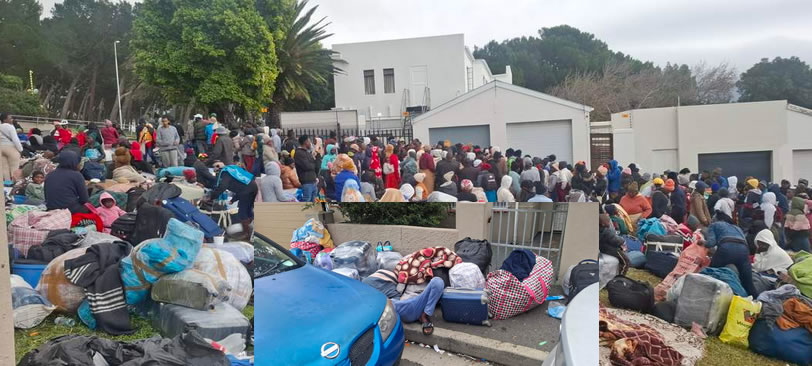
Long queues formed outside several diplomatic missions as migrants from neighbouring countries waited for transport and evacuation support. Many arrived carrying suitcases and personal belongings, hoping to secure seats on buses leaving South Africa before the demonstrations.
The atmosphere was equally tense across Johannesburg’s central business district, where a number of foreign-owned businesses closed their doors early while others removed stock and valuable items from their premises. Bus stations also experienced increased activity as people searched for transport out of the country.
Despite repeated assurances from the South African government that security forces would maintain law and order during the protests, many migrants said they feared becoming victims of violence.
Some foreign nationals, however, have chosen to remain in South Africa, although many admitted they were avoiding public spaces until tensions eased. One migrant said returning home without financial stability was not an option.
He explained that while he feared for his safety, he could not return to his country empty-handed after spending years trying to build a better future. Instead, he planned to stay out of sight until conditions improved.
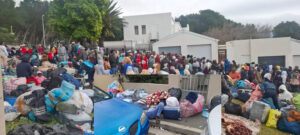
Outside the Zimbabwean Consulate in Bruma, hundreds of Zimbabwean nationals patiently waited for buses arranged to transport them home. Volunteers loaded luggage onto trailers while officials called out passenger names for departure.
One Zimbabwean man, who has lived and worked in South Africa for the past two years, said he had spent hours waiting after missing an earlier bus.
He expressed hope that another available bus would allow him to travel home before the protests began. Although he intended to leave immediately, he said the move would only be temporary, adding that South Africa remained his primary source of income and the place where he supports his family.
Among those waiting for assistance were Malawian nationals who had spent several nights sleeping outside their country’s consulate while awaiting transport.
James Macki, a father of three, said he regularly sent money home to Malawi to support his wife and help rebuild a bicycle repair business. However, growing fears surrounding the planned demonstrations forced him to abandon his plans and seek assistance to return home.
According to Macki, members of the communities where many Malawians lived warned them to leave before the protests, saying they feared violence could break out.
The Malawian government reported that about 261 of its citizens, including 31 children, had gathered outside the consulate requesting assistance to return home.
Humanitarian organisations assisting migrants warned that the situation had created additional health concerns. Aid workers reported treating several people suffering from respiratory illnesses after spending nights outdoors in freezing winter temperatures. Medical teams also attended to patients with serious heart-related conditions brought on by stress and exposure to the cold.
Meanwhile, the Nelson Mandela Foundation urged calm, warning against treating June 30 as an official deadline. Foundation spokesperson Verne Harris said the date had no legal standing and cautioned against rhetoric that could inflame tensions.
The situation also attracted international attention. Uganda announced that President Yoweri Museveni had instructed authorities to prepare for the voluntary evacuation of Ugandan citizens from South Africa. Officials said 746 Ugandans had already registered for evacuation assistance due to security concerns, with more expected to follow.
As the planned protests approached, uncertainty continued to dominate daily life for many migrants. While some chose to leave in search of safety, others remained behind, hoping to protect the livelihoods they had built over many years. With fears of unrest persisting, diplomatic missions, aid organisations and transport services continued working to assist those seeking a safe return home.
About the Author