
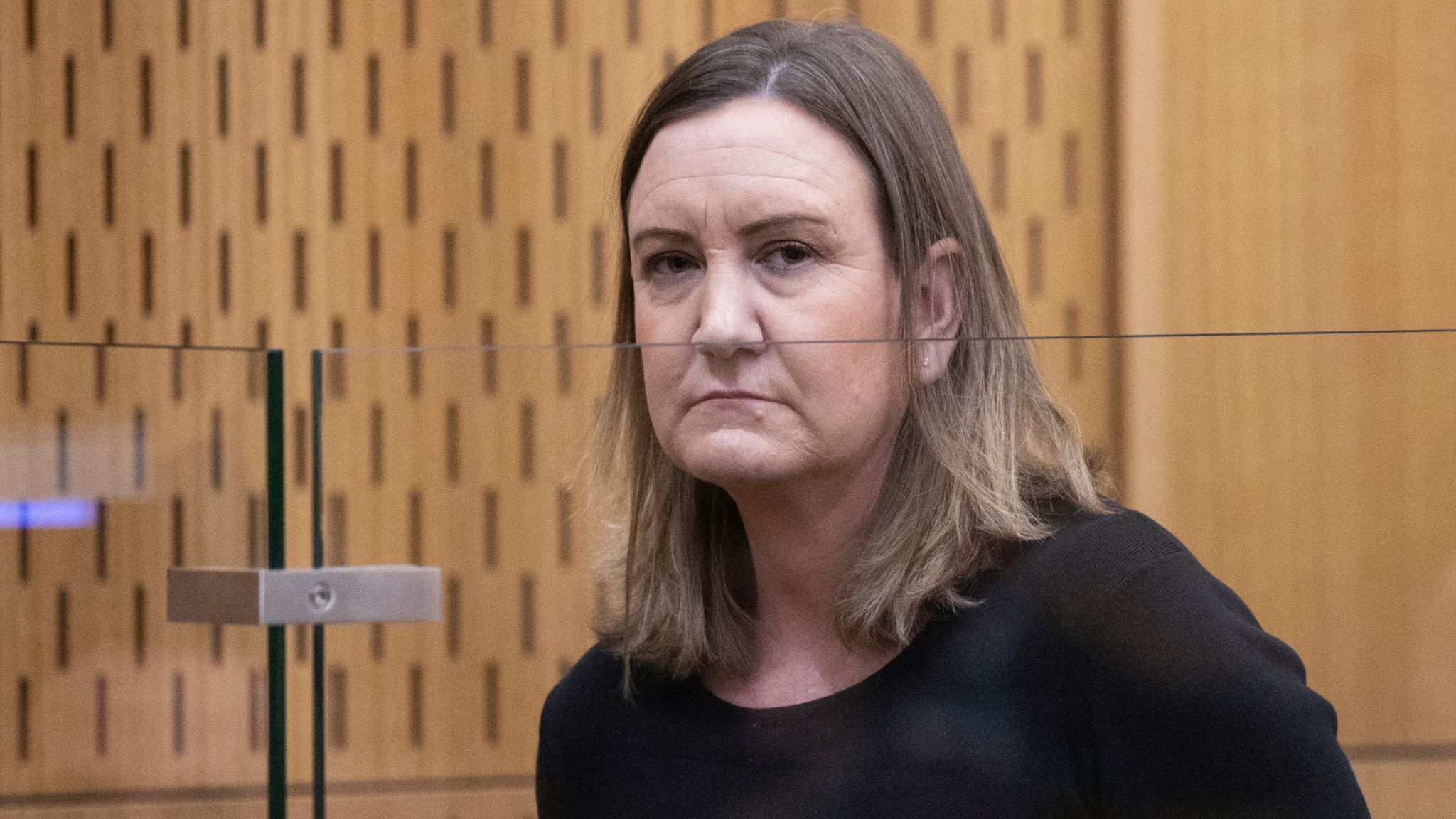
Lauren Dickason to Challenge Conviction for Killing Three Daughters in New Zealand
South African doctor Lauren Dickason is set to appeal her conviction for the murder of her three young daughters in New Zealand, a case that drew international attention and sparked widespread discussion about mental health and criminal responsibility.
According to reports from New Zealand media, Dickason’s appeal is scheduled to be heard in Wellington on February 9, 2027. The hearing will take place months before she becomes eligible for parole. Her legal team is expected to argue that a miscarriage of justice occurred during her trial and that her conviction should be reconsidered.
Dickason was found guilty in August 2023 of murdering her three daughters — six-year-old Lianè and two-year-old twin sisters Maya and Karla. The tragic deaths occurred on September 16, 2021, only weeks after the family had relocated from South Africa to New Zealand in search of a new life.
The case shocked both South Africa and New Zealand, attracting extensive media coverage and public debate. During the trial, evidence was presented regarding Dickason’s long history of mental health struggles. Her defence argued that she was suffering from severe mental illness at the time of the killings and pleaded not guilty by reason of insanity.
The court heard testimony about the family’s concerns regarding safety and violence in South Africa before their move abroad. Friends and acquaintances reportedly told the court that the family had often lived in fear of crime and had kept a firearm near their bed for protection.
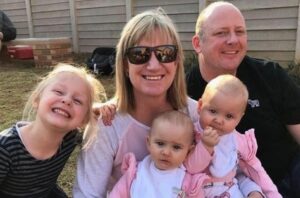
However, evidence also revealed that the family’s move to New Zealand was motivated by hopes of providing their daughters with a brighter future. Dickason had reportedly described the relocation as an opportunity to give the girls the adventure of a lifetime after years of hoping and praying for children.
Despite the defence’s arguments, the jury ultimately rejected the insanity plea and found Dickason guilty of murder. She was later sentenced to 18 years in a secure mental health facility rather than a conventional prison, reflecting the court’s acknowledgment of her mental health condition.
Following her sentencing, Dickason issued a public apology in which she expressed deep remorse for her actions and the pain caused to her family and loved ones. In a written statement, she said no apology could ever be sufficient to address the devastation resulting from the deaths of her daughters.
She described her children as the centre of her world and said they had brought immense joy to her life. Dickason also stated that she remains horrified by what happened and continues to mourn their loss every day.
The upcoming appeal is expected to reignite public interest in one of New Zealand’s most high-profile criminal cases in recent years. Legal experts and mental health advocates will be closely watching the proceedings as the court examines whether the original trial and verdict were reached fairly.
For the families affected and communities that followed the case, the appeal represents another significant chapter in a tragedy that continues to leave a lasting impact on both countries.
About the Author