South Africa’s roads claimed 1,427 lives during the 2025/26 festive season, highlighting the ongoing challenge of road safety despite a modest improvement compared to the previous year. Transport Minister Barbara Creecy revealed the figures on Thursday, noting that the deaths occurred in 1,172 reported crashes nationwide.
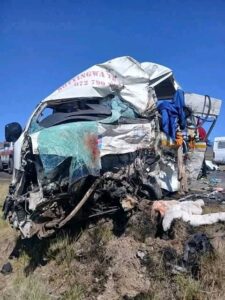
According to Creecy, the country recorded a five percent decrease in fatalities compared to the last festive season, a development she described as encouraging but far from sufficient. She emphasised that human error remains the leading cause of deadly accidents, accounting for nearly 80% of all crashes during the period. Key contributing factors included drink-driving, reckless behaviour, speeding, fatigue and general disregard for road rules.
Environmental conditions such as heavy rainfall, poor visibility and slippery roads were responsible for approximately 20% of crashes. While acknowledging infrastructure challenges such as narrow roads, potholes and damaged surfaces, Creecy stressed that these were not the primary drivers of road carnage.
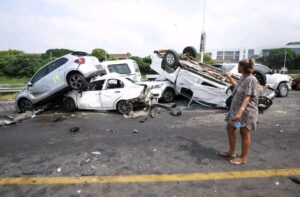
“You would be correct that some of our roads are narrow, without shoulders, and contain potholes or damaged tar,” she said. “But the fundamental cause of road accidents is human behaviour, not infrastructure.”
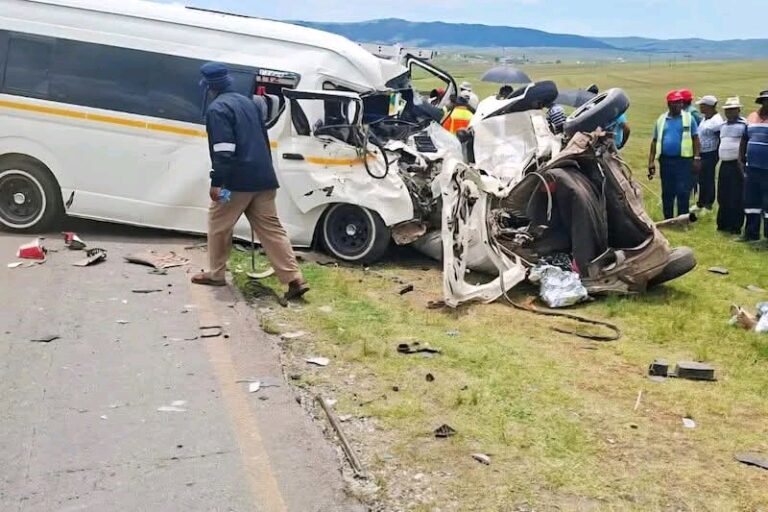
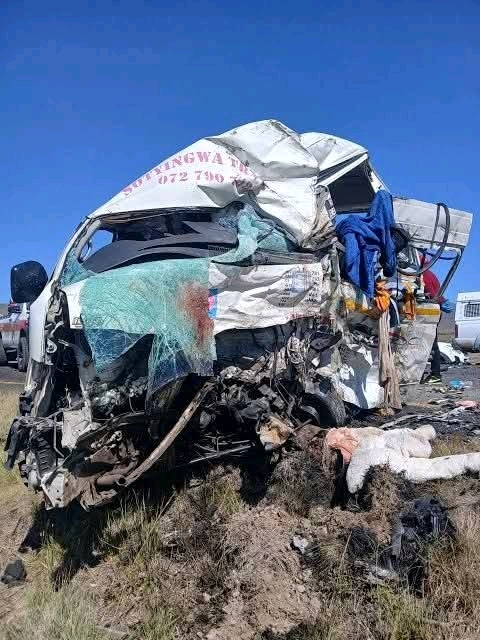
Data presented by the Department of Transport showed that most fatal crashes occurred over weekends, with peak times between 7pm and 9pm, as well as between midnight and 1am. Common crash types included pedestrian knockdowns, head-on collisions, single-vehicle rollovers and hit-and-run incidents. Taxis were involved in about seven percent of crashes, often resulting in multiple fatalities due to high passenger numbers.
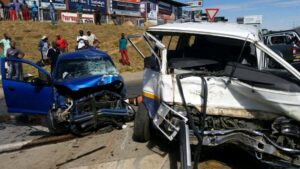
Law enforcement efforts were intensified during the festive period. Authorities stopped 1.8 million vehicles at 1,632 roadblocks across the country. More than 450,000 fines were issued, while 525 motorists were arrested for excessive speeding. Alcohol remained a major concern, with 8,561 drivers testing positive out of 173,695 tested. In addition, 2,547 road safety awareness campaigns were conducted at high-traffic areas, taxi ranks and holiday destinations.
The period between December 15 and 28 proved particularly deadly, accounting for 40% of all crashes. This timeframe coincided with peak festive travel, social gatherings and increased alcohol consumption.
Provincial statistics showed mixed results. The Eastern Cape and Free State led five provinces that recorded declines in road fatalities. However, Gauteng, Western Cape, Mpumalanga and the Northern Cape experienced increases, raising concerns about regional enforcement and driver behaviour.
Looking beyond the festive season, Creecy announced that preliminary annual data for 2025 shows 11,418 fatalities from 9,674 crashes — the lowest figures recorded in the past five years. Compared to 2024, crashes decreased by 6.4%, while fatalities dropped by 6.2%.
In response to ongoing alcohol-related deaths, Creecy confirmed that government plans to amend Section 65 of the National Road Traffic Act to introduce a clear ban on drinking and driving. The proposed changes would remove laws that currently allow limited alcohol consumption by drivers.
“In today’s South Africa, it is totally unacceptable that there is a law that allows people to drink and drive,” she said. “We owe it to the memory of those who have lost their lives on our roads.”
Creecy added that stronger enforcement, public education and a zero-tolerance approach to alcohol would be central to achieving South Africa’s goal of halving road deaths by 2030.
About the Author