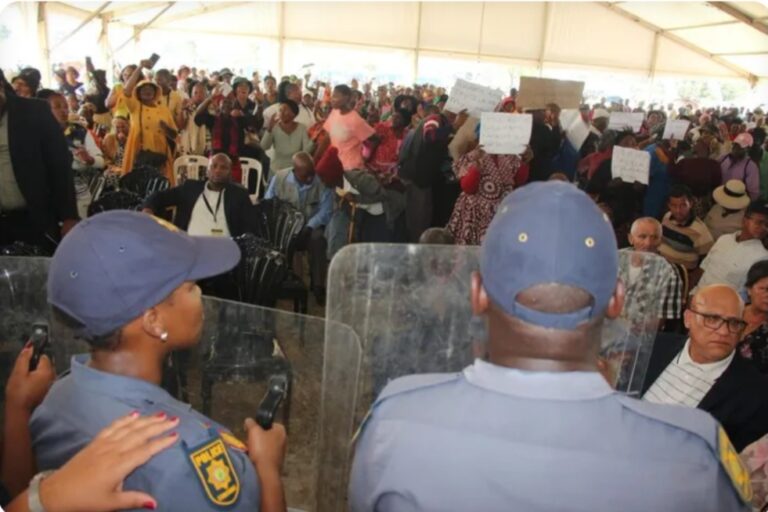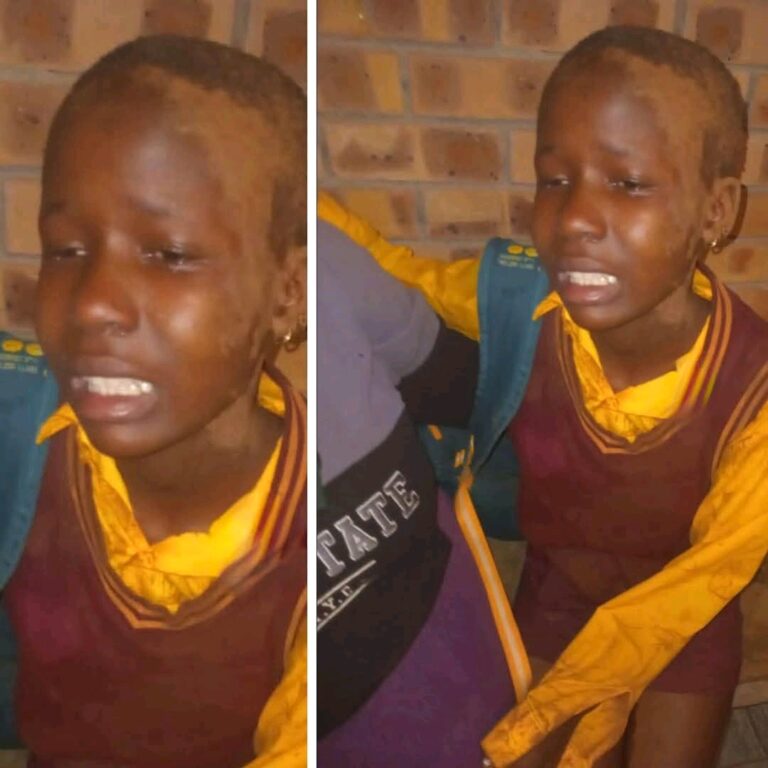
Residents of Standerton in Mpumalanga have been left shaken following alarming reports that a local resident was hospitalised after allegedly consuming contaminated “backdoor” liquor purchased near the town’s taxi rank. The incident has sparked widespread concern and renewed calls for South Africans to be extremely cautious when buying alcohol, particularly from outlets whose licensing and registration status are unclear.
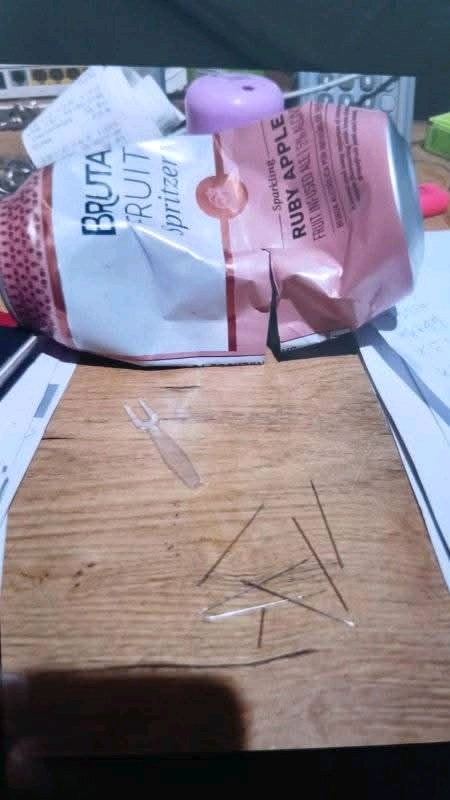
According to information shared by community members and circulating widely on social media, a group of women reportedly bought alcoholic beverages from a liquor outlet operating in the Standerton central business district. The establishment, which was previously known under a different name and has since rebranded, has come under scrutiny after the women allegedly experienced severe physical discomfort shortly after consuming the drinks.
Community sources claim the women complained of sharp internal pains, prompting them to seek urgent medical attention. It is further alleged that medical examinations, including X-ray scans conducted at a local hospital, revealed foreign objects inside at least one of the affected individuals. While these claims have not yet been officially confirmed by health authorities or law enforcement, residents say a formal case has been opened to allow for a thorough medical and legal investigation.
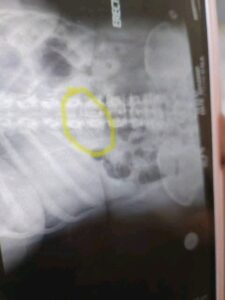
The Standerton incident has once again highlighted the growing dangers associated with unregulated and illegally produced alcohol in South Africa. In recent years, the country has recorded several tragic cases involving contaminated or counterfeit liquor, some resulting in long-term health complications and even death. Experts warn that alcohol produced outside regulated systems may contain toxic chemicals, industrial substances, or unsafe additives that pose a serious risk to human health.
Adding to public concern, social media platforms have been flooded with videos allegedly showing individuals manufacturing alcohol in informal and unsanitary environments. These operations reportedly lack any form of quality control, proper equipment, or health oversight, leaving consumers vulnerable to ingesting harmful substances without knowing it.
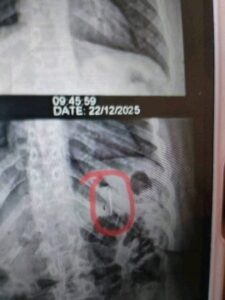
In response, community members in Standerton are urging one another to avoid purchasing alcohol from informal sellers or unfamiliar outlets, at least until investigations are concluded. Residents are being encouraged to buy liquor only from well-known, legally registered retailers that are subject to regular inspections and compliance checks. Licensed liquor stores are required to meet strict safety and quality standards, offering consumers a greater level of protection.
The situation has gained further attention after a female police officer from Standerton SAPS went viral for sharing a public awareness message warning residents about alcohol safety. Her message was widely applauded for putting community wellbeing first and encouraging vigilance. However, unverified claims later emerged suggesting she may have received threats following her warning, sparking outrage and solidarity online.
Although authorities have not confirmed these allegations, many South Africans have rallied behind the officer, stressing that no one should be intimidated for speaking out about public safety. Community leaders have echoed this sentiment, emphasising that protecting lives requires collective action and open dialogue.
As investigations continue, residents are reminded to report suspicious liquor outlets, verify licenses where possible, and seek immediate medical help if they experience unusual symptoms after drinking alcohol. Authorities have reiterated that public cooperation is essential in combating illegal alcohol trade and preventing avoidable tragedies.
Ultimately, the Standerton incident serves as a sobering reminder that vigilance, informed choices, and responsible purchasing can save lives.
About the Author