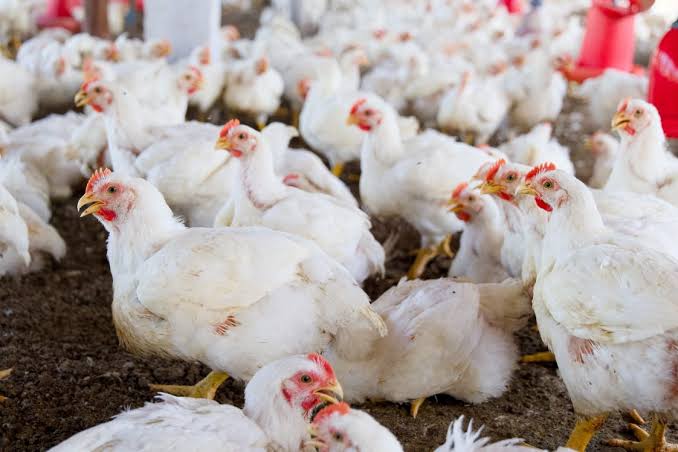
An undercover investigation has uncovered alarming claims that some poultry farmers in Zimbabwe are illegally mixing human antiretroviral (ARV) medication into chicken feed and drinking water in an attempt to increase production and reduce losses from disease. The revelations have sparked widespread concern among health experts, veterinary authorities and consumers, who warn that the practice could have serious consequences for both public health and food safety.
According to the investigation, some broiler farmers are purchasing HIV treatment medication from the black market and adding it to poultry feed. One farmer from Harare reportedly admitted to using TLD, a fixed-dose combination of antiretroviral drugs commonly prescribed for people living with HIV, as part of her farming operation.
The farmer claimed the medication significantly reduced bird deaths caused by common poultry diseases and accelerated the growth of the chickens. She alleged that the practice allowed her to expand her business from just 200 birds to approximately 10,000 while reducing the time it takes for chickens to reach market weight from six weeks to only four.
Agricultural experts believe the practice is not limited to a few isolated farms. An agricultural advisory officer reportedly confirmed that the use of human ARV medication in poultry farming has become increasingly common in some parts of Zimbabwe, despite being illegal.
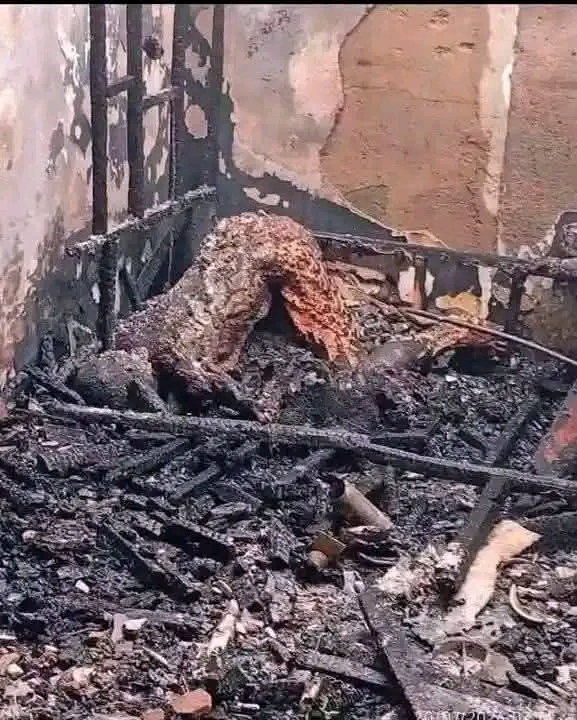
Authorities have also reportedly observed unusual characteristics in chickens raised using the medication. Birds allegedly display an abnormal reddish colour after slaughter and have a noticeably blander taste compared to conventionally raised poultry.
Health specialists have expressed grave concerns about the potential impact on consumers. Toxicology experts warn that drug residues remaining in chicken meat could expose people to small amounts of antiretroviral medication without their knowledge. This could potentially interfere with HIV treatment in patients who rely on these life-saving medicines and may contribute to drug resistance, making future treatment less effective.
Experts also caution that people who are HIV-negative could unknowingly consume traces of the medication over time, raising questions about possible long-term health effects that have not yet been fully studied.
Veterinary authorities say the practice is a clear violation of Zimbabwe’s Medicines and Allied Substances Control Act, which prohibits the use of human medicines in animals intended for food production.
In addition to concerns about HIV treatment, specialists warn that the misuse of pharmaceuticals in livestock contributes to the growing global problem of antimicrobial resistance. This occurs when bacteria and other microorganisms evolve to resist medicines that are meant to kill them, making infections increasingly difficult to treat in both humans and animals.
One of the most troubling aspects highlighted by the investigation is the reported behaviour of some farmers themselves. Despite selling the commercially raised chickens to consumers, some allegedly avoid eating their own poultry and instead keep separate free-range chickens for their families. This has fuelled concerns that those involved may be aware of the potential risks associated with the practice.
At the time the investigation became public, Zimbabwean government officials and veterinary authorities had not issued an official response to the allegations.
The revelations have intensified calls for stronger enforcement of food safety regulations, tighter monitoring of the pharmaceutical supply chain and increased inspections within the country’s poultry industry. Health experts continue to urge consumers to remain informed while authorities investigate the claims and determine the full extent of the practice.
About the Author