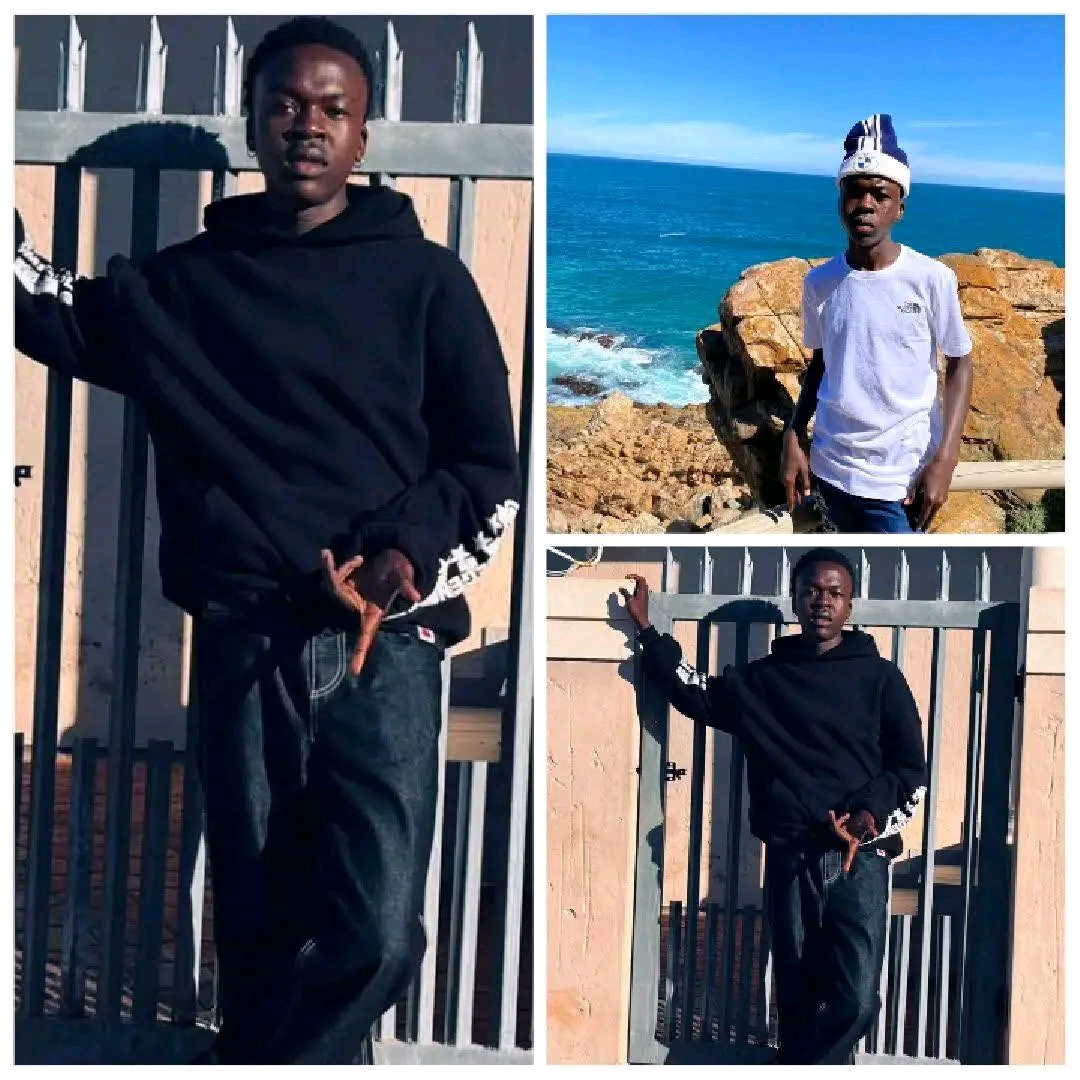
A grieving family is calling for justice following the tragic death of a 19-year-old Tsonga teenager, Nhlamulo, who was allegedly stabbed during unrest in Mossel Bay on 31 May. The incident has sparked outrage and deep concern within the community, with the family alleging that the attack was motivated by xenophobia.
According to relatives, Nhlamulo lost his life after being targeted during a violent episode linked to tensions in the area. The family claims that the young man was singled out because of his Tsonga background, describing the attack as both senseless and deeply disturbing. His death has left the family devastated, struggling to come to terms with what they believe was an unjustified and brutal act.
Family members say Nhlamulo was a young man with his whole life ahead of him, and his sudden death has created an unbearable void in their lives. They describe him as someone who was respectful, hopeful, and focused on building a better future. Instead, his life was cut short in what they believe was a violent expression of intolerance.

The incident has also raised renewed concerns about community tensions and the safety of foreign nationals and ethnic minorities in certain parts of the country. While details surrounding the circumstances are still emerging, the family insists that the attack should be thoroughly investigated to determine exactly what happened and whether xenophobic motives played a role.
Authorities have reportedly been urged to treat the matter with urgency, with the family calling for swift action to ensure that those responsible are identified and brought to justice. They believe that accountability is essential not only for their own healing but also to prevent similar tragedies from occurring in the future.
“We will not be silent. Justice must be served,” the family said in a strongly worded statement, reflecting their pain and determination to see the case properly addressed.
Community members have also expressed shock over the incident, with some calling for calm and unity in the aftermath of the violence. There are growing appeals for law enforcement to strengthen safety measures and for community leaders to address underlying tensions that may contribute to such outbreaks.
Human rights advocates often warn that xenophobic violence, whether confirmed or alleged, can have devastating consequences on families and communities, leaving long-lasting trauma and fear. They emphasize the importance of thorough investigations and transparent communication from authorities in cases like these.
As the investigation continues, Nhlamulo’s family is left mourning a life lost too soon while demanding answers. They hope that justice will prevail and that their son’s death will not be ignored or forgotten.
For now, the community waits for further updates from law enforcement as pressure mounts for accountability and clarity surrounding the tragic incident.
About the Author