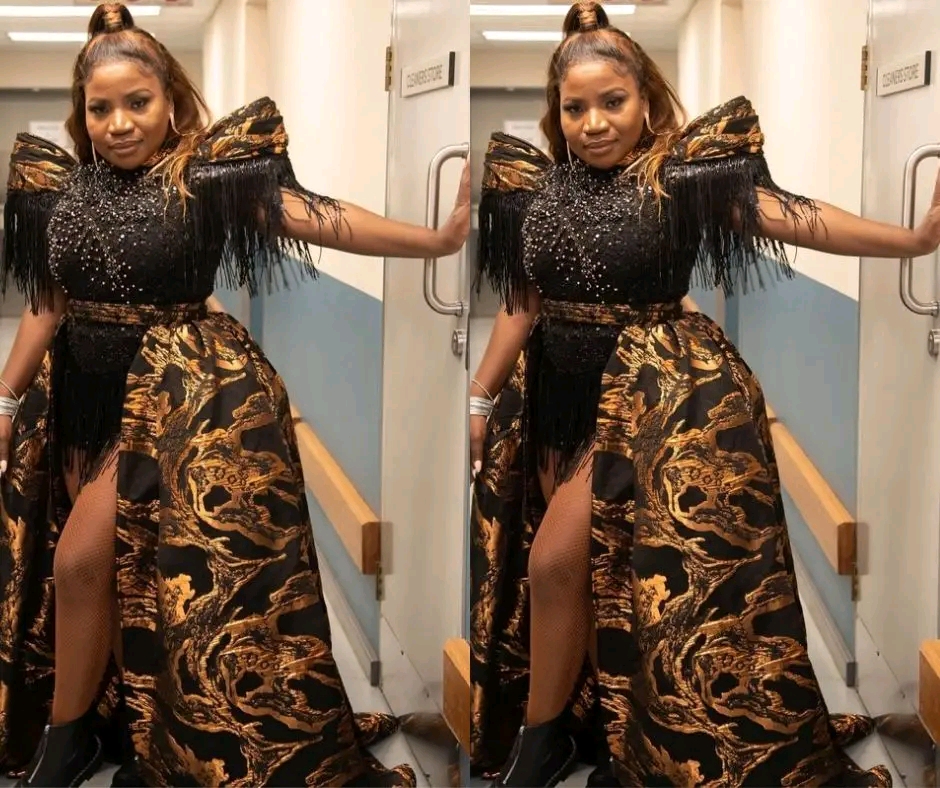
Award-winning Limpopo musician Makhadzi has found herself at the center of a heated social media debate after speaking out about an incident involving a Venda-speaking man who was allegedly harassed in Gauteng because he could not speak isiZulu.
The singer, known for proudly representing her Venda heritage through her music and culture, shared an emotional message on social media expressing concern over what she described as growing tensions related to language and identity in parts of South Africa.

According to Makhadzi, the man involved in the incident was allegedly questioned and pressured because he was unable to communicate in isiZulu. The artist claimed that the situation left her deeply troubled, especially because she personally knows the individual involved.
Reflecting on her own experiences, Makhadzi recalled moving to Gauteng in 2014 and struggling to understand and speak isiZulu during her early years in the province. She explained that adapting to a different language environment was challenging, but she eventually learned enough to communicate effectively.
The musician said she fears that language barriers could lead to unfair treatment of people from other provinces, particularly those from Limpopo who primarily speak Tshivenda, Xitsonga, or Sepedi. In her message, she urged people to find more constructive ways of addressing concerns about undocumented foreigners without targeting South Africans from different cultural and linguistic backgrounds.
Makhadzi also questioned whether speaking a particular language should determine how someone is treated in their own country. She expressed disappointment at the idea that not being fluent in isiZulu could result in suspicion or hostility.
Her comments quickly attracted widespread attention online, with many social media users weighing in on the issue. While some supported her concerns and agreed that South Africans should respect the country’s linguistic diversity, others accused the singer of misunderstanding the situation and creating unnecessary division.
The backlash intensified after her comments were interpreted by some as comparing language expectations to discrimination. Critics argued that learning local languages can help people integrate into communities and that her remarks risked inflaming tensions.
As criticism mounted, Makhadzi reportedly removed the original post. However, screenshots and discussions continued circulating across various social media platforms, keeping the conversation alive.
In her statement, the singer also expressed concern about a planned march scheduled for 30 June, which has been linked to campaigns calling for stronger action against undocumented immigrants. Makhadzi said she worries that innocent South Africans from minority language groups could be wrongly targeted or mistaken for foreign nationals.
She appealed for unity and understanding, stressing that all South Africans deserve to feel safe regardless of the language they speak or the province they come from.
The incident has once again highlighted ongoing conversations around language, identity, migration, and social cohesion in South Africa. As reactions continue to pour in, the debate has revealed just how sensitive these issues remain in a country celebrated for its rich cultural and linguistic diversity.
Whether one agrees with Makhadzi’s perspective or not, her comments have sparked an important discussion about belonging, respect, and the need for greater understanding among South Africa’s many communities.
About the Author