
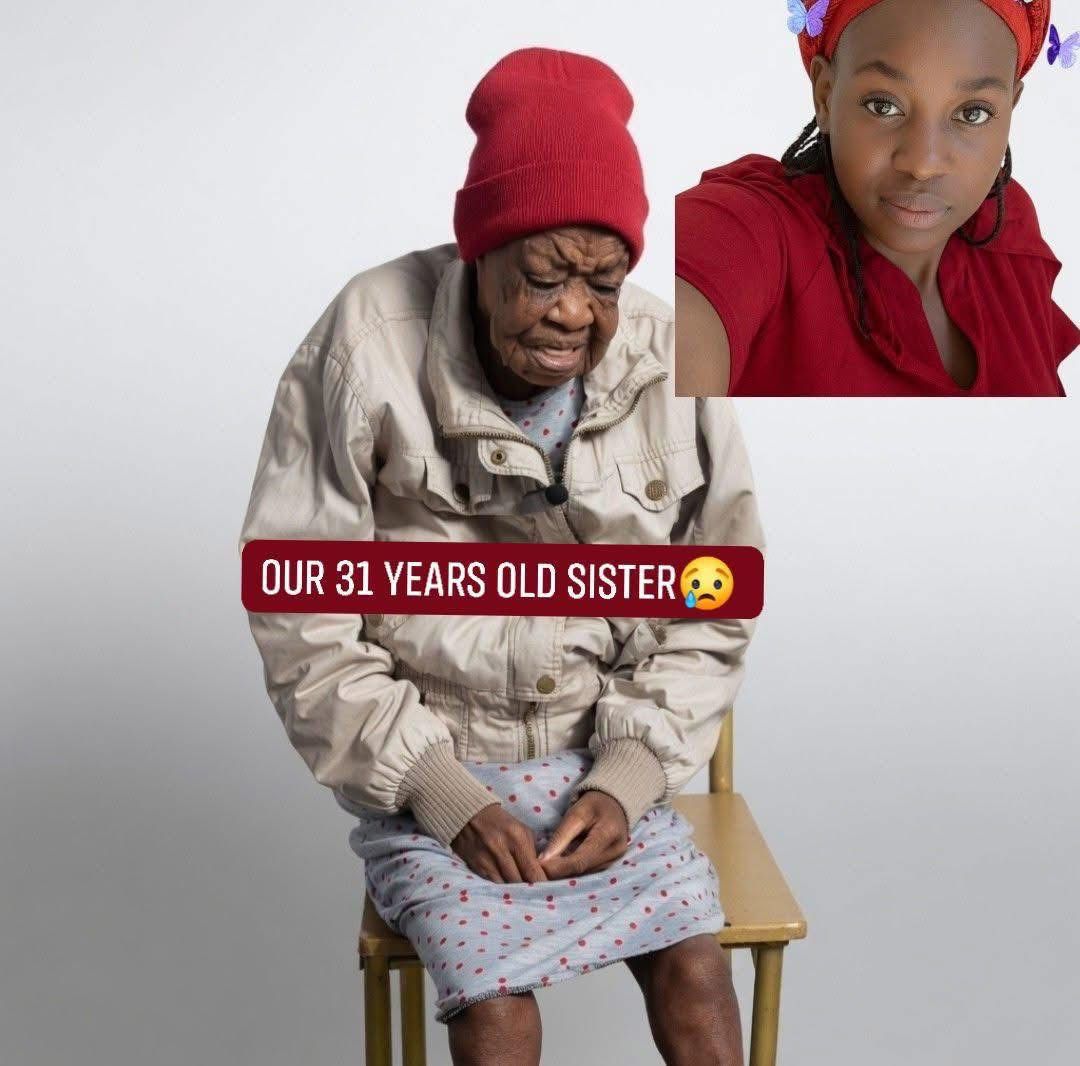
A 31-year-old woman from the rural community of Emtuba has become the subject of widespread discussion after residents noticed what they describe as a dramatic and sudden change in her physical appearance. The situation has attracted attention both in the community and on social media, where photos and videos have been shared extensively, leaving many people shocked and concerned.
According to reports from locals, the woman allegedly began showing signs associated with rapid aging shortly after entering a relationship with a foreign national. While some residents quickly connected her condition to rumors and cultural beliefs, others urged people not to spread unverified information without medical proof.
Community members have expressed mixed reactions to the situation. Some believe there may be a deeper medical explanation behind her appearance, while others continue to speculate and share theories online. The ongoing discussion has raised concerns about the dangers of misinformation and public judgment, especially when no official diagnosis has been confirmed.
One resident suggested that the woman’s condition could possibly be linked to a rare disease known as progeria. The resident explained that progeria is a medical condition associated with premature aging and stressed that it is not contagious or sexually transmitted. The comment also encouraged the woman to seek professional medical help at specialized hospitals such as Steve Biko Academic Hospital or Dr George Mukhari Academic Hospital.

Medical experts describe progeria, formally known as Hutchinson-Gilford Progeria Syndrome, as an extremely rare genetic disorder that causes the body to age rapidly. The condition is usually identified in childhood and is known to cause symptoms such as wrinkled skin, hair loss, weight loss, stiff joints, and other features commonly associated with old age.
Health professionals have repeatedly emphasized that progeria cannot be transmitted through relationships, physical contact, or sexual activity. The disorder is linked to genetic mutations and affects only a very small number of people worldwide.

Researchers have also identified other forms of premature aging conditions that can develop later in life. One example is Werner syndrome, sometimes referred to as adult progeria, which may begin during teenage years or adulthood. Symptoms can include gray hair, wrinkled skin, cataracts, and other age-related conditions appearing much earlier than expected.
Despite the public attention surrounding the case, no medical professional has officially confirmed the woman’s condition. Community leaders have appealed to residents and social media users to stop spreading harmful rumors and allow the woman the privacy and support she may need during this difficult period.
Some residents have shown sympathy, saying the woman may be facing emotional stress because of the intense public scrutiny surrounding her appearance. Others criticized those making jokes or linking her condition to supernatural beliefs or relationships without any scientific evidence.
Health experts continue to encourage people experiencing unusual physical changes to seek medical examinations from qualified specialists rather than relying on social media opinions or community gossip. Many South Africans online have also called for compassion, respect, and greater public education about rare medical conditions.
As the story continues to circulate online, many people hope the woman will receive proper medical care and answers regarding her condition while also being protected from harmful speculation and ridicule.
About the Author