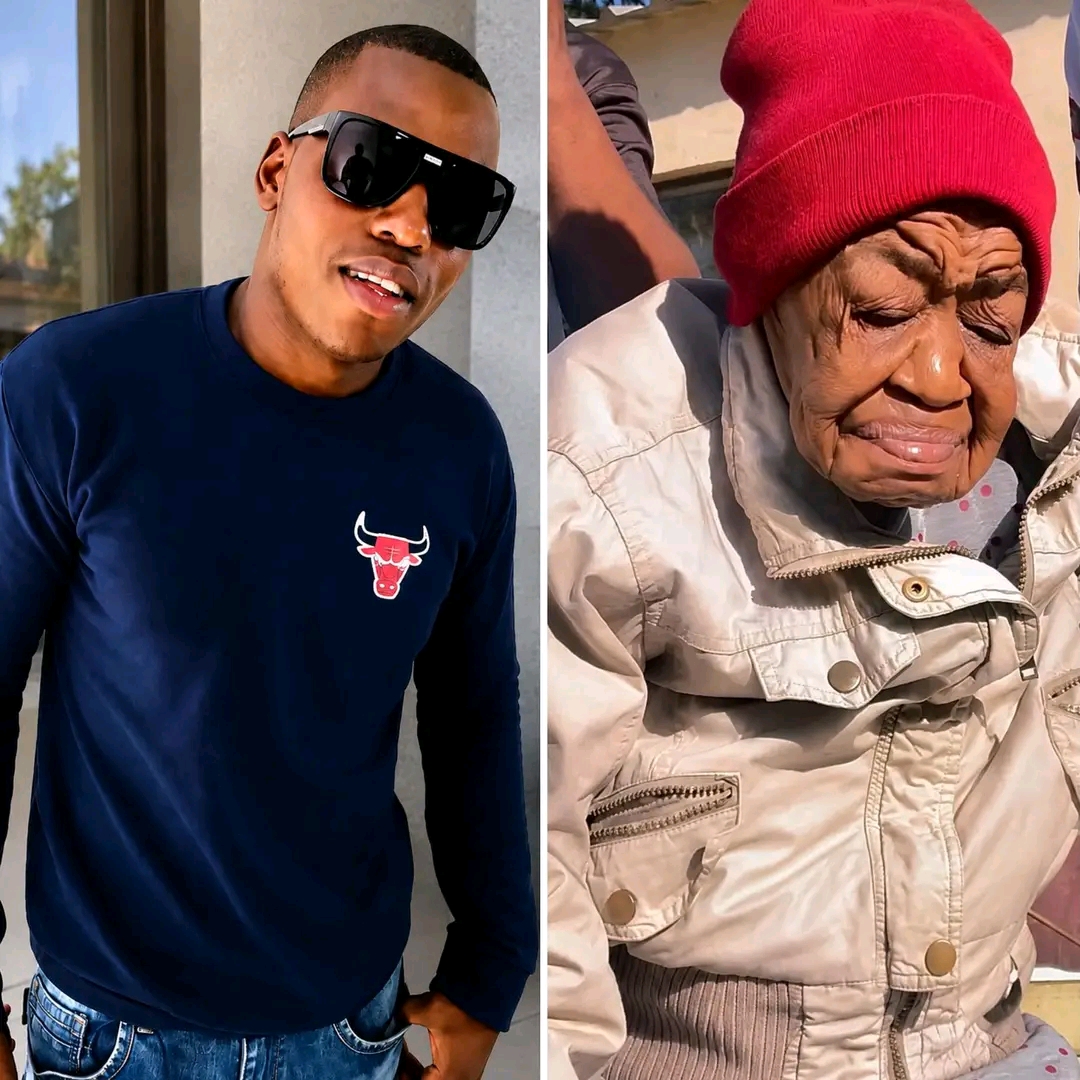
A Zimbabwean traditional healer living in Durban has sparked widespread debate on social media after claiming he can help a 31-year-old woman whose rapid ageing condition recently went viral across South Africa
The healer, identified as 30-year-old Tinotenda Mutinhiri, says he believes he has the ability to assist the woman and possibly restore her appearance through traditional healing methods. According to reports, the woman’s story touched many people after images of her surfaced online, with many South Africans expressing shock and sympathy over her condition.
Mutinhiri reportedly stated that he had seen a vision about the woman before her story became widely known on social media. He now claims that he feels spiritually called to help her during what he described as a difficult and emotional time in her life.
The traditional healer explained that he would not begin any form of treatment without first consulting the woman and receiving full permission from both her and her family. He said respect and consent are important before any healing process can take place.
His statements have since generated mixed reactions online. Some people believe traditional healing can provide comfort and support to individuals facing unusual medical conditions, while others remain skeptical about the claims being made. Many social media users have urged the public not to give the woman false hope, especially if her condition is linked to a rare medical disorder.
Others, however, praised the healer for offering assistance and showing compassion toward the woman during a period when she has become the subject of intense public attention. Supporters say there is nothing wrong with exploring different forms of healing as long as it is done respectfully and safely.
The woman at the center of the story recently became a trending topic after reports claimed she suffers from a condition that causes rapid ageing, making her appear far older than her actual age. Her story has led to widespread conversations about rare illnesses, public judgment, and the emotional toll of living with visible medical conditions.
Medical experts have previously warned against spreading misinformation regarding such illnesses, urging people to avoid linking rare conditions to witchcraft or supernatural beliefs without scientific evidence. They also encouraged members of the public to show empathy toward affected individuals instead of mocking or sensationalising their appearance.
Meanwhile, questions have also been raised online regarding Mutinhiri’s legal status in South Africa. Some reports claim authorities may need to verify whether he is legally residing and practicing in the country. However, no official confirmation regarding his immigration or legal documentation has been released at this stage.
As the story continues to spread, many people are closely following developments to see whether the woman and her family will respond to the healer’s offer. For now, the situation has once again highlighted the powerful role social media plays in shaping public conversations around health, culture, and traditional beliefs in Southern Africa.
About the Author