Mtubatuba, KwaZulu-Natal – 23 May 2026
A 31-year-old woman from Mtubatuba in northern KwaZulu-Natal, Snenhlanhla Khoza, has drawn national attention after speaking publicly about her struggle with a rare genetic condition that has caused visible and rapid physical aging well beyond her years. Her story has sparked widespread public empathy, renewed awareness of rare diseases, and conversations about medical support for affected individuals in South Africa.
Khoza is believed to be living with Werner Syndrome, a rare inherited disorder linked to mutations in the WRN gene. The condition typically begins to show symptoms in early adulthood, often during the late teens or twenties. Over time, it can lead to signs associated with advanced aging, including skin thinning, hair graying or loss, reduced height, and increased vulnerability to age-related illnesses such as type 2 diabetes, cataracts, and cardiovascular complications.
Unlike childhood progeria conditions, Werner Syndrome develops later in life, which can make early diagnosis difficult. Medical experts note that many patients first notice subtle changes before more pronounced symptoms appear, sometimes leading to emotional and psychological distress as their physical appearance changes rapidly.
https://x.com/i/status/2058234100062757215
Khoza recently appeared in a televised interview where she shared her personal journey. She explained that her symptoms began with noticeable changes in her facial skin, followed by progressive transformations that altered her appearance significantly over time. She described the experience as both physically and emotionally challenging, particularly as it affected how she is perceived in her community and daily life.
Her family has reportedly been seeking medical clarity and long-term care options while adjusting to her condition. The case has also gained traction on social media platforms, where many users expressed shock, sympathy, and encouragement after learning about her situation. Public discussions have largely focused on raising awareness about rare genetic disorders and the importance of early medical intervention and genetic counseling.
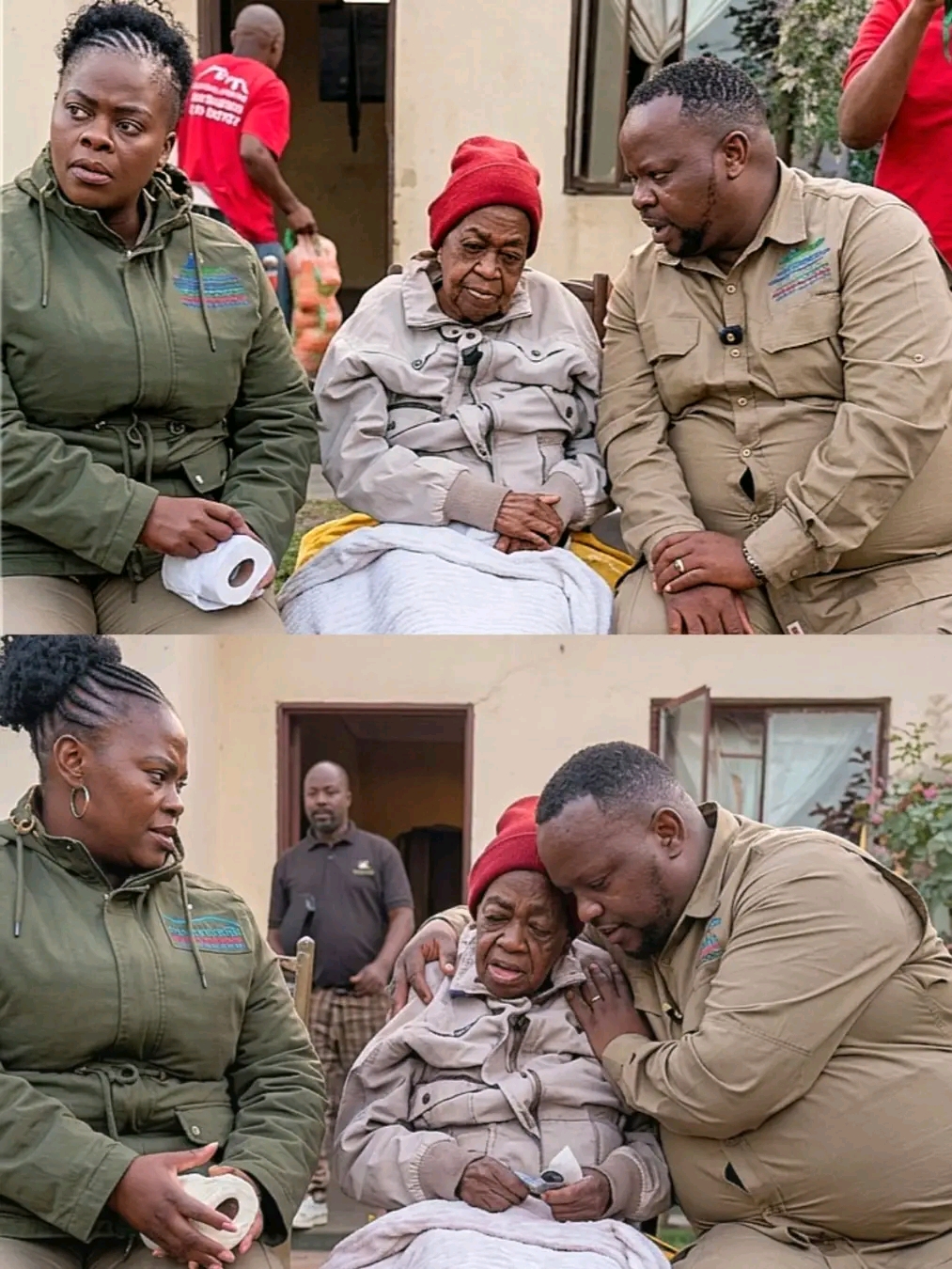
In a heartwarming development, former television actress Dawn Thandeka King visited Khoza alongside representatives from Indalo Enhle Herbs and Beyond. The visit included personal engagement, emotional support, and the delivery of care packages and encouragement. Images shared online showed King and her team spending time with Khoza in a supportive and compassionate environment, offering reassurance during a difficult period in her life.
The gesture has been widely praised by the public, with many South Africans commending the visit as an example of compassion and community solidarity. Messages of hope and prayer have continued to circulate online, with users encouraging Khoza to remain strong while highlighting the need for greater support systems for individuals living with rare medical conditions.
Although there is currently no cure for Werner Syndrome, doctors emphasize that symptoms can be managed through ongoing medical care, regular monitoring, and treatment of associated complications. Awareness campaigns and early diagnosis remain critical in improving quality of life for those affected.
Khoza’s story continues to resonate across the country, serving as a powerful reminder of resilience in the face of rare illness and the importance of empathy in society.
About the Author