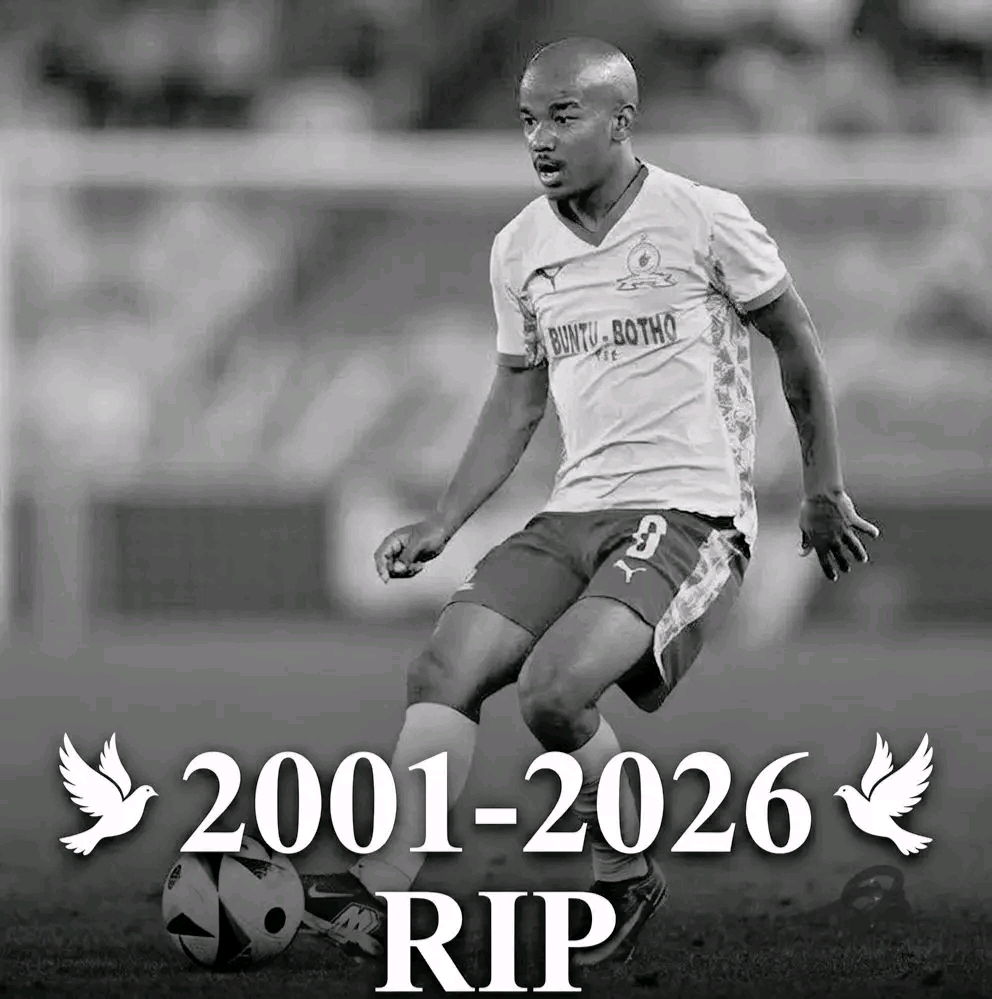
The sudden death of Bafana Bafana and Mamelodi Sundowns midfielder Jayden Adams at the age of 25 has left South Africans in mourning while also raising serious concerns about the mental health support available to the country’s professional athletes.
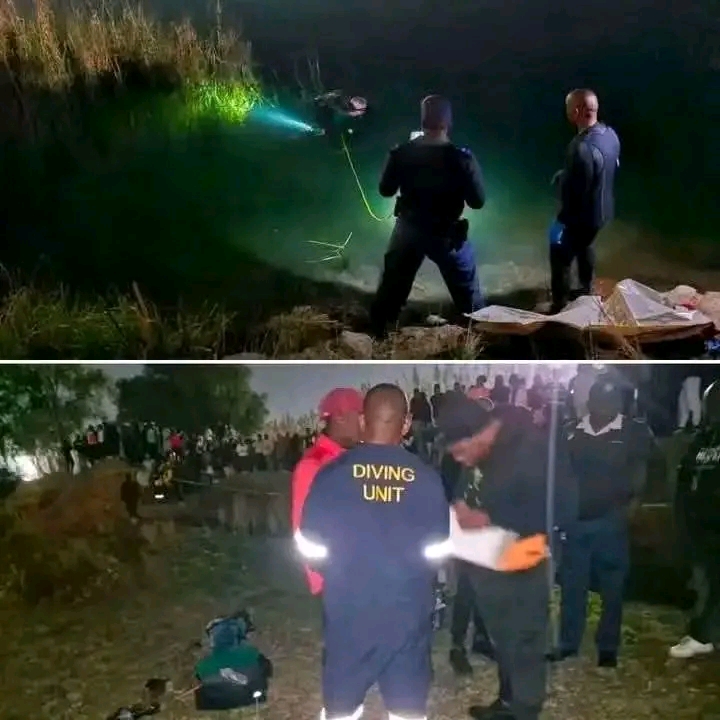
Police have opened an inquest into the circumstances surrounding Adams’ death. While authorities have not officially confirmed the cause, reports have suggested that investigators are looking into the possibility that the football star died by suicide. The investigation remains ongoing.
Adams’ passing has prompted widespread discussions about the emotional and psychological challenges faced by elite sportsmen and women. Behind the trophies, fame, and success, athletes often carry immense pressure that is not always visible to the public.
Professional footballers are expected to perform at the highest level regardless of personal circumstances. They face constant expectations from coaches, supporters, sponsors, teammates, and the media, all while dealing with the same personal struggles experienced by anyone else.
One of the heartbreaking details to emerge after Adams’ death was that he reportedly played for Bafana Bafana against the Czech Republic during the FIFA World Cup shortly after learning of his grandmother’s passing. According to reports, many people within the national team only became aware of his loss after the match had ended.
Sports Minister Gayton McKenzie praised Adams for his professionalism, saying the young midfielder’s decision to represent South Africa despite his personal grief demonstrated remarkable character and commitment to the national team.
While many admired Adams’ dedication, mental health advocates argue that athletes should never feel compelled to hide emotional pain in order to meet professional expectations. Instead, they believe players should be encouraged to seek help when they are struggling, without fear of judgment or criticism.
Mental health professionals have repeatedly stressed that emotional well-being deserves the same attention as physical fitness. Just as injured players receive medical treatment and rehabilitation, those experiencing anxiety, depression, grief, or emotional distress should have access to qualified psychologists and counsellors.
Experts say motivational speeches from coaches can inspire players on the field, but they cannot replace professional mental health care. Identifying early warning signs and providing confidential support could make a significant difference for athletes dealing with overwhelming personal challenges.
The tragic loss of Adams has also reminded South Africans that wealth, fame, and sporting success do not guarantee happiness or emotional stability. While fans often see athletes celebrating victories, driving luxury vehicles, and enjoying successful careers, they rarely witness the private battles that may be taking place away from the spotlight.
As tributes continue to pour in for the talented midfielder, many hope his death will encourage sporting organisations to strengthen mental health programmes and ensure athletes have access to professional care throughout their careers.
Jayden Adams’ legacy will be remembered not only for his performances on the football field but also for inspiring an important national conversation about prioritising mental health in sport. Many believe that greater awareness, compassion, and accessible support services could help prevent similar tragedies in the future.
About the Author