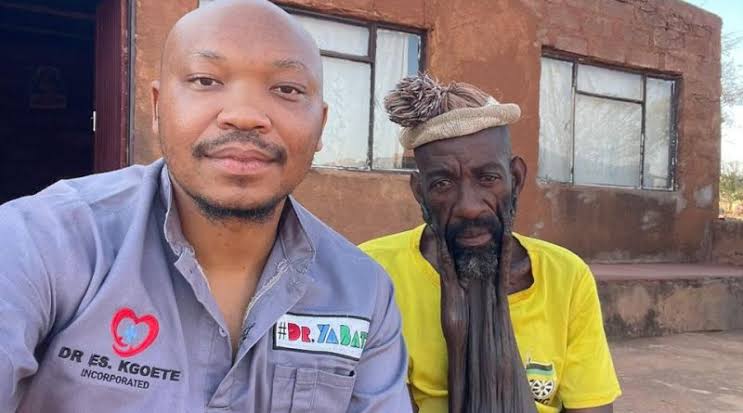
A Limpopo-based doctor has dedicated himself to bridging the gap in South Africa’s strained public healthcare system by using his own money to help disadvantaged patients access critical surgical procedures that they would otherwise wait years to receive.
Dr Ephraim Kgoete says his work is not simply a profession, but a personal mission driven by the harsh realities he witnesses daily in public hospitals. For him, the growing backlog of patients needing surgery has become a humanitarian concern that he cannot ignore.
For years, Dr Kgoete has watched patients remain stuck on long waiting lists, often in severe pain and deteriorating health. Many of these individuals require urgent operations, but limited resources, staff shortages, and overwhelmed facilities mean that treatment is delayed indefinitely. In some cases, patients wait for years without receiving the care they desperately need.
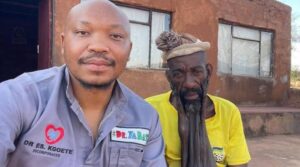
According to him, the consequences of these delays are devastating. Some patients lose hope and stop seeking help, while others suffer complications that worsen over time. In the most tragic situations, people die before they ever reach the operating theatre.
Faced with these circumstances, Dr Kgoete decided to take action beyond the limits of his formal duties. He began using his personal income to assist patients in accessing surgeries, effectively filling what he describes as a critical gap in the healthcare system. His efforts include helping cover the cost of procedures, coordinating care, and ensuring that vulnerable patients are prioritised when possible.
He explains that his motivation stems from compassion and a sense of responsibility. “For me, this is a calling,” he has expressed, emphasising that his work goes beyond professional obligation. Instead, it reflects a deep commitment to restoring dignity and hope to those who have been left behind by an overburdened system.
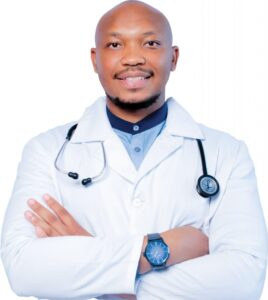
Patients who have benefited from his intervention are often those who cannot afford private healthcare and have no alternative but to rely on public hospitals. For many of them, the support provided by Dr Kgoete becomes the difference between continued suffering and a chance at recovery.
While his actions have brought relief to several families, they also highlight the broader challenges facing South Africa’s public health sector. Hospitals across the country continue to grapple with increasing demand, limited funding, and infrastructure constraints, resulting in long waiting times for essential procedures.
Health experts have repeatedly warned that such backlogs can lead to worsening patient outcomes and increased pressure on medical staff. In this context, individual efforts like those of Dr Kgoete, though impactful, underscore the need for systemic reform.
Despite the challenges, Dr Kgoete remains committed to continuing his work for as long as he is able. He believes that every patient deserves timely access to healthcare, regardless of their financial situation.
His story has drawn attention to both the compassion of frontline medical professionals and the urgent need for improvements in public healthcare delivery. For many in Limpopo, his efforts represent not only medical assistance, but also a restored sense of hope in a system often stretched beyond its limits.
About the Author