The rolling hills of uMsinga in KwaZulu-Natal became a place of mourning and remembrance on Saturday, 15 August 2026, as family, friends, fans, traditional leaders, government representatives and fellow musicians gathered to say their final goodbye to Maskandi star Scebi Dlamini, popularly known as Inkosi Yamagcokama.
The 29-year-old musician was laid to rest following his tragic death in a car accident in Richards Bay on Sunday, 9 August. The devastating crash also claimed the life of his backup singer and crew member, Sipho “Gupta” Mchunu.
Dlamini’s untimely death shocked the South African music industry, particularly the Maskandi community. At the time of his passing, the young artist was enjoying a successful period in his career and had built a reputation for connecting traditional Zulu music with younger audiences.

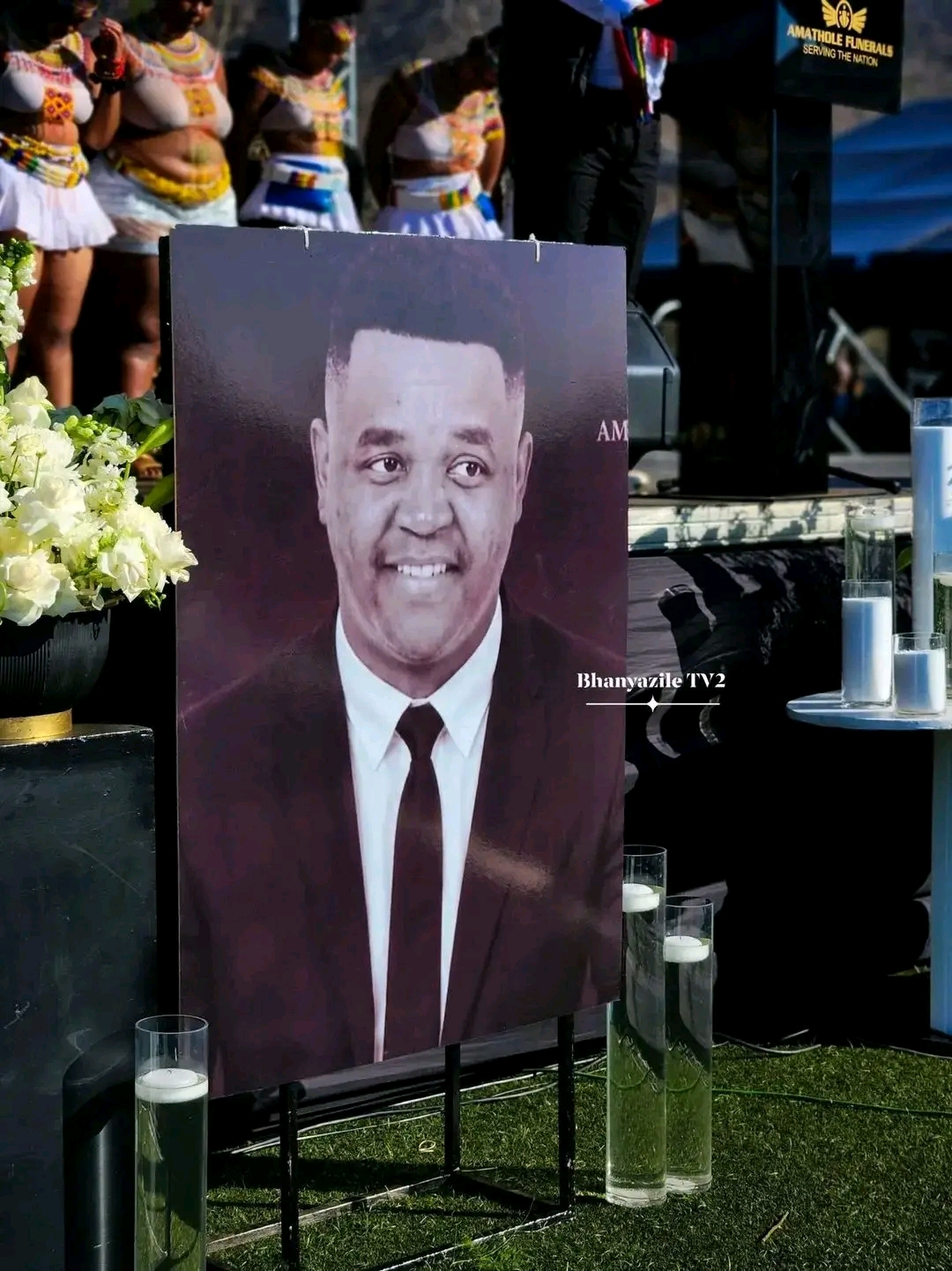
Thousands of mourners gathered at Mzisho Sports Ground, where the funeral service became a powerful celebration of the musician’s life, achievements and contribution to South African culture.
The venue was filled with people dressed in traditional Zulu clothing as emotional tributes were delivered throughout the service. The atmosphere reflected both the pain of losing a young talent and the pride many people felt in the legacy he left behind.
Among those paying tribute was KwaZulu-Natal MEC for Sports, Arts and Culture Mntomuhle Khawula. He described Dlamini as an important cultural ambassador who helped keep indigenous music relevant to a younger generation.

Dlamini was widely admired for his distinctive musical style, guitar skills and lyrical storytelling. His work demonstrated the continued importance of Maskandi as a form of cultural expression while also showing that traditional music could appeal to younger South Africans.
Family members also shared deeply personal memories of the late musician. His brother, Nduduzo Dlamini, spoke about Scebi’s generosity and his commitment to helping people in his community.
According to the tribute, the musician often supported aspiring artists from rural areas by providing mentorship, resources and opportunities. His influence therefore extended beyond his music career and into the lives of people who looked up to him.

One of the most emotional moments came when Dlamini’s children took to the stage to honour their father. They sang his popular song “Vuma”, creating a heartbreaking tribute that left many mourners in tears.
The performance was particularly poignant because it allowed his children to celebrate his musical legacy while grieving the loss of their father.
Fellow Maskandi musicians also came together to honour Dlamini, putting aside professional rivalries to remember an artist they regarded as a fellow contributor to the genre.
The funeral featured traditional dancing, choral performances and emotional speeches before the proceedings eventually moved to the Dlamini family homestead.

There, according to Zulu customs, Scebi “Inkosi Yamagcokama” Dlamini was laid to rest.
Although his life ended at just 29, his music and cultural contribution are expected to continue inspiring fans and upcoming artists. For many mourners, his death represents the loss of a promising young musician whose career had only just begun to reach greater heights.
As uMsinga said goodbye, fans remembered Inkosi Yamagcokama not only as a talented Maskandi performer but also as a young man who carried his culture with pride. His voice may have fallen silent, but his music remains part of the legacy he leaves behind.
About the Author