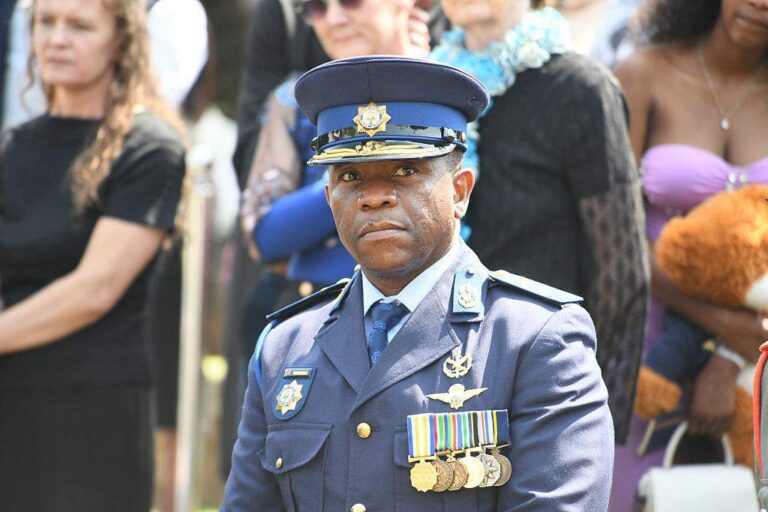
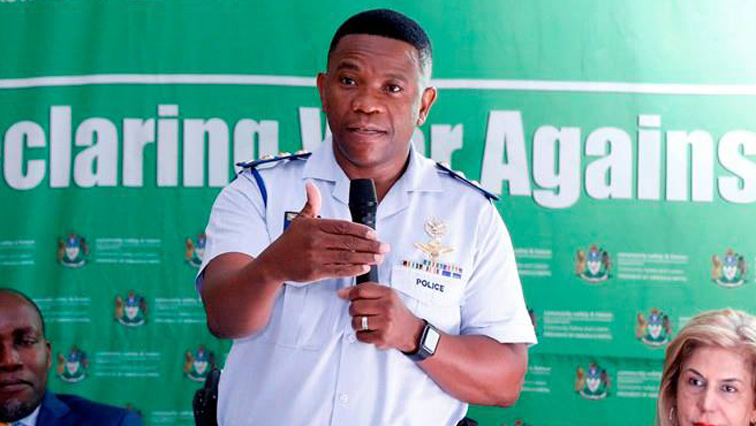
South Africans have been left divided following controversial comments by Police General Nhlanhla Mkhwanazi about the role of social grants in some of the country’s social challenges.
Mkhwanazi made the remarks during a parliamentary discussion focused on gang-related violent crime and broader issues affecting communities. In his comments, the police general raised concerns about situations where some women allegedly have children to access social grant payments before leaving the children in the care of their grandparents.
According to Mkhwanazi, this can place additional financial pressure on grandparents who are then left responsible for raising the children. He suggested that, in some households, limited financial resources are stretched even further when grandparents become the primary caregivers.
The comments quickly generated debate among South Africans, with reactions ranging from strong support to criticism.

Some people agreed with Mkhwanazi, arguing that the country needs to have difficult conversations about parenting, social responsibility and the unintended consequences of welfare dependency. Supporters believe that social grants, while essential for millions of vulnerable people, should be accompanied by broader measures that address unemployment, family responsibility and poverty.
Others, however, strongly disagreed with the general’s comments. Critics argued that social grants should not be portrayed as an incentive for people to have children, particularly when many families depend on government assistance simply to meet their basic needs.
South Africa has millions of people who rely on social assistance, including grants intended to support children and vulnerable members of society. For many households, these payments contribute towards food, clothing, school-related expenses and other essential costs.
The debate has therefore highlighted the difficult balance between providing social protection and addressing the deeper economic problems facing communities.

Unemployment, poverty and inequality remain major challenges in South Africa, with many families struggling to survive on limited incomes. In some households, grandparents also play an important role in raising children, particularly when parents are absent, unemployed or unable to provide adequate support.
Mkhwanazi’s comments have brought these issues back into the spotlight, with South Africans debating whether the focus should be placed on the social grant system itself or on the broader circumstances that leave families dependent on government assistance.
The discussion also raises questions about parenting responsibilities and whether more should be done to ensure that parents remain accountable for the children they bring into the world.
While social grants remain an important safety net for vulnerable households, the controversy has highlighted the need for a wider conversation about sustainable employment, family support and the long-term reduction of poverty.
As reactions continue to spread, one thing is clear: Mkhwanazi’s remarks have reopened a sensitive national debate about social grants, parenting and the economic realities confronting South African families.
Do you agree with General Mkhwanazi’s comments, or do you believe social grants remain essential for helping struggling families survive?
About the Author