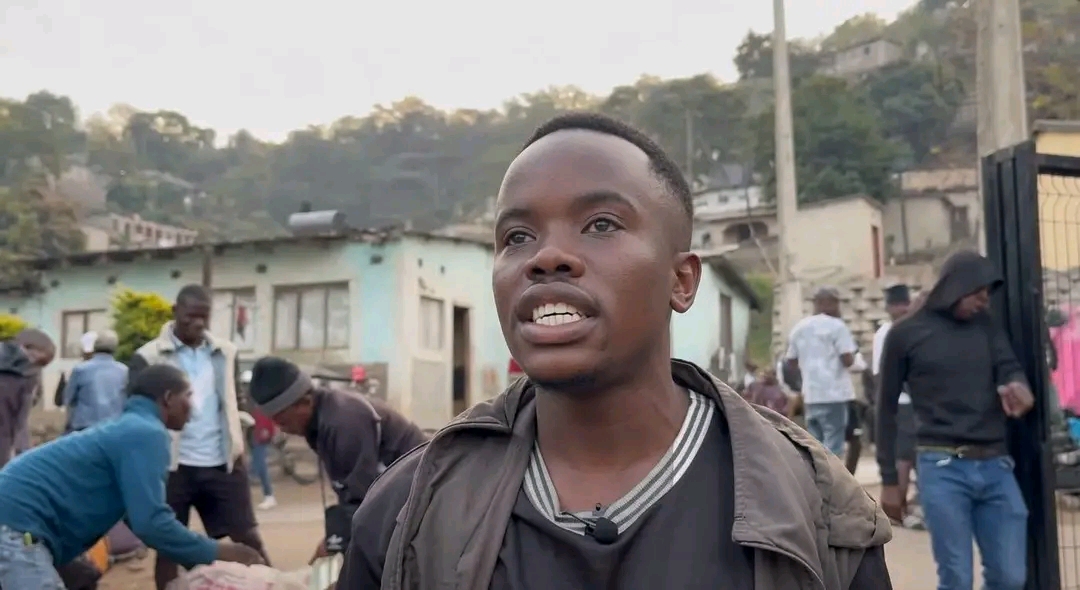
A 22-year-old man from Durban has shared the emotional pain of watching his Malawian father leave the city aboard a bus transporting foreign nationals to Musina for immigration processing, highlighting the impact that enforcement operations are having on families with mixed nationalities.
Bongani Rafiq Zikhali, whose mother is South African and whose father is Malawian, said saying goodbye to his father was one of the most difficult moments of his life. The departure comes amid ongoing immigration enforcement and relocation efforts involving foreign nationals in parts of South Africa following recent unrest in Mariannpark, Durban.
According to reports, Zikhali’s father was among a group of foreign nationals who were relocated from Durban and transported to Musina. The individuals are expected to undergo immigration processing as part of broader government procedures related to undocumented migrants and repatriation arrangements.
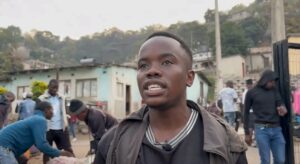
The young man said the experience has left him emotionally devastated, as he now finds himself dealing with the reality of being separated from a parent. He explained that growing up in a family with parents from different countries has always shaped his identity, but recent events have made those differences more painful than ever.
“I never imagined I would have to stand and watch my father leave like this,” he reportedly said, describing the moment as heartbreaking and filled with uncertainty about what the future holds for his family.
Zikhali believes that many other families with mixed nationality backgrounds are facing similar challenges as immigration enforcement activities continue in various parts of the country. He said these operations do not only affect the individuals being processed but also have a significant emotional impact on spouses, children and relatives who remain behind.
The relocations follow heightened attention on immigration matters in South Africa, with authorities increasing efforts to identify and process foreign nationals who may not have the necessary documentation to remain in the country legally. These operations have intensified in some communities following recent tensions and protests over illegal immigration.
While many South Africans support stronger enforcement of immigration laws, stories like Zikhali’s highlight the human side of the issue. Families with members from different nationalities often find themselves caught in difficult situations when immigration regulations are enforced, especially where children or spouses are South African citizens.
The relocation of foreign nationals to Musina forms part of established immigration procedures, where individuals are processed before any further legal decisions are made regarding their status. Depending on the outcome of those processes, some may be repatriated to their countries of origin, while others may pursue legal avenues if they qualify to remain in South Africa.
For Bongani Rafiq Zikhali, however, the legal process offers little comfort in the face of losing daily contact with his father. He hopes that whatever the outcome, families affected by immigration enforcement will be treated with dignity and compassion while authorities carry out their responsibilities.
His story serves as a reminder that behind every immigration case is a family navigating uncertainty, separation and the emotional consequences of decisions that can change lives forever.
About the Author